So, let’s talk about something that doesn’t get nearly enough attention. Psychological abuse. It’s sneaky, you know? A lot of times, people don’t even realize it’s happening to them.
Imagine you’re in a relationship, and instead of feeling uplifted, you’re just… drained. You might think it’s just stress or maybe it’s your fault for not trying hard enough. But here’s the thing: that gut feeling? Yeah, it matters.
You might brush off those little comments that sting or the way your partner dismisses your feelings. It’s easy to overlook them—until they pile up and you feel like you’re walking on eggshells.
Recognizing these signs can be tough. Sometimes it feels like you’ve fallen into a fog and can’t see clearly. But I promise, once you spot the red flags, well, it makes all the difference in the world. Let’s break down what to look for together!
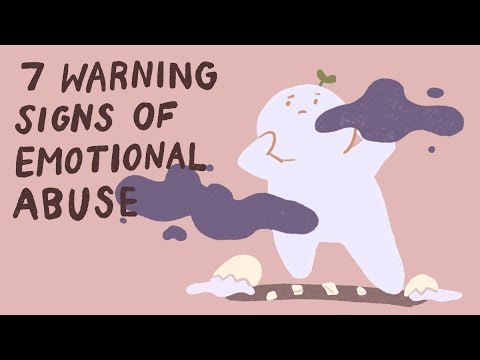
Identifying Emotional Abuse: 7 Key Signs to Recognize in Relationships
It can be pretty tough to spot emotional abuse, especially when it’s happening to you or someone close. Emotional abuse isn’t always easy to see, like bruises or cuts, but it can hurt just as much. Here’s a rundown of some key signs that might help you recognize it.
1. Constant Criticism: You know that feeling when someone is always pointing out your mistakes? Well, if your partner constantly critiques you—your looks, your job, or even your interests—it can really mess with how you see yourself.
2. Gaslighting: This one’s insidious. If someone makes you doubt your own memory or sanity—like insisting an event didn’t happen when you clearly remember it—that’s a big red flag. It’s like living in a fog where nothing feels real.
3. Silent Treatment: When they give you the cold shoulder for days? That can be tough to handle! It’s a way to control and manipulate your emotions by making you feel abandoned or unworthy.
4. Extreme Jealousy: A little jealousy is normal, but if they’re constantly checking up on you or accusing you of cheating without any reason, that’s not okay! It shows more insecurity in them than concern for you.
5. Withholding Affection: Sometimes love feels conditional; if affection is only given when certain standards are met, that’s not true love at all! Feeling like you’re walking on eggshells just so they’ll show some care? That’s damaging.
6. Controlling Behavior: If they decide who you hang out with or what you’re allowed to do, it’s time to re-evaluate that relationship. Feeling like you’re a puppet on strings isn’t cool.
7. Emotional Blackmail: This is where someone uses threats—like saying they’ll leave if you don’t comply with their demands—to manipulate you into doing what they want. That’s not love; that’s control.
Recognizing these signs isn’t always straightforward because emotional abuse can often be cloaked in something that looks almost normal from the outside. A friend once opened up about her relationship where her partner was charming to everyone else but would criticize her harshly behind closed doors—it left her confused and feeling worthless over time.
The important thing is to trust your instincts and reach out for support if these signs resonate with your experience! You deserve relationships where love lifts you up rather than tearing you down.
Understanding the Challenges of Identifying Psychological Abuse: Key Insights and Considerations
Recognizing psychological abuse can feel like navigating a maze—confusing and tricky. You might think, «I don’t see bruises or broken bones; how bad can it be?» But that’s where things get complicated. Psychological abuse often leaves no visible marks, yet it can deeply affect your mental well-being.
It commonly involves tactics like manipulation, intimidation, or constant criticism. You might be made to feel worthless or scared to express your true feelings. But how do you spot it? Here are some key insights:
- Isolation: Abusers may try to cut you off from friends and family. They might say things like, «They don’t care about you,» making you doubt the people who genuinely support you.
- Name-calling and belittling: Insults can chip away at your self-esteem over time. Comments like, «You’re so dumb,» or «No one else would want you,» aren’t just harsh— they are damaging.
- Denying feelings: If your partner constantly tells you that you’re overreacting or being too sensitive, it can make you question your own emotions.
- Gaslighting: This is when the abuser makes you doubt your reality. For example, if they say something hurtful and then tell you it never happened, it can leave you feeling confused and anxious.
You know someone who goes home every day afraid to speak their mind? That fear isn’t just a passing feeling; it’s part of a larger pattern of psychological abuse that needs addressing.
Anecdotal evidence suggests that victims often feel trapped in a cycle of emotional turmoil. They love their partners but struggle with the pain inflicted by constant criticism or manipulation. It’s not easy to break away!
Beneath all that confusion lies another challenge: folks sometimes don’t even recognize themselves as victims of psychological abuse. That’s the insidious nature of this type of behavior—it creeps in gradually until it feels normal.
If you’re looking for help on this topic—or maybe sensing someone around you might be dealing with this—remember: raising awareness is crucial. Sometimes just talking about these experiences can shed light on what’s really happening.
The journey towards understanding psychological abuse takes time and patience. It’s about trusting yourself again and finding ways to rebuild what was lost—your confidence, your voice, and your sense of self-worth.
You’re not alone in this maze; there are people willing to help guide the way out!
Understanding Mutual Emotional Abuse in Relationships: Signs and Impacts
Mutual emotional abuse in relationships, man, it’s a tough topic. It’s like being stuck in a loop where both partners hurt each other emotionally, creating this toxic atmosphere. You might not even realize it’s happening until you’re knee-deep in it. So, let’s break it down a bit.
What is Mutual Emotional Abuse? It’s when both partners engage in behaviors that undermine and hurt each other’s emotional well-being. Instead of one person being the abuser and the other the victim, both players are throwing punches—emotionally speaking, of course.
So what does it look like? Here’re some signs to watch for:
- Manipulation: Partners may twist situations or use guilt trips to control how the other person feels or acts.
- Name-calling: Derogatory names or insults can become “normal” in conversations. You know how it goes: «Oh, I was just kidding!» But really, it cuts deep.
- Silent treatment: Withholding communication can be just as damaging as yelling. Ignoring someone as punishment creates distance and confusion.
- Baiting each other: One partner might provoke the other into an argument just for kicks, which is super unhealthy!
- Dismissing feelings: Telling your partner that their feelings are “stupid” or “overreacting” invalidates their emotions. It’s like putting a wet blanket on them!
You see these signs playing out daily in some relationships? It can feel so normal that you don’t even notice until things spiral out of control.
The impacts are real and often profound. Coping mechanisms, such as withdrawing from social circles or feeling constantly anxious, can show up big time. You might feel like you’re walking on eggshells around your partner going forward.
Mental health issues, like depression or anxiety disorders, can arise because living with mutual emotional abuse wears you down over time. It could make someone question their self-worth constantly! That nagging voice saying you’re not good enough? Yeah, that’s probably coming from this pattern of behavior.
A little personal nugget here: I remember a friend who went through something similar—a back-and-forth with constant jabs disguised as jokes. At first, she laughed them off but deep down felt torn apart each time. She had to step back to realize her value and regain her self-respect eventually.
If mutual emotional abuse sounds familiar or if you’re feeling stuck in this cycle with your partner—remember that patterns can change if both parties recognize the issue together. Communication is key! If you find yourself on this path, reaching out to someone who gets these dynamics might help clear the fog.
The overall takeaway? Recognizing these signs early can help prevent long-term damage to your heart and mind when navigating relationships because no one should be stuck feeling less than they are!
Psychological abuse in relationships can be a tricky thing to spot. It’s not like a bruise or a broken bone that you can see; it sneaks in and wraps itself around your mind and emotions, often leaving you confused and drained. I remember a friend of mine, Sarah. She was in what seemed like a perfect relationship from the outside. But deep down, things were way different.
Looking back, there were definitely signs that something wasn’t right. For one, there was this constant feeling of walking on eggshells around her partner. He would belittle her choices or laugh at things she loved. At first, she brushed it off as humor or just his way of showing care. But over time, those little comments piled up like snowflakes until they became an avalanche of self-doubt.
One huge red flag is when someone tries to control aspects of your life—who you hang out with, where you go, even what you wear. It might start subtly; maybe they express concern for your safety or say they just want what’s best for you. But soon enough, it feels suffocating, right? You find yourself questioning your own decisions. That’s not love; that’s manipulation.
Another sign is isolation—your partner starts pulling you away from friends and family. They might make you feel guilty for spending time with loved ones or claim they don’t get along with them anyway. Sarah had lost touch with some of our closest friends without even realizing it at first because her partner convinced her no one cared about her like he did.
Emotional swings can be another indicator too. One day everything feels fine—maybe he’s showering her with affection—and the next day he’s cold and critical without any clear reason why! You just feel so off-balance all the time that maintaining any sense of self becomes almost impossible.
And let’s not forget about gaslighting! This is where someone twists reality to make you doubt your own memory or perceptions. Sarah would tell him how something made her feel, and he’d respond by claiming she was overreacting or imagining things completely! That messes with your head big time.
If you’re finding these signs are resonating with you or someone close to you, it’s crucial to pay attention to that gut feeling telling you something’s off! It’s totally okay to reach out for help or support without shame because everyone deserves to feel safe and valued in any relationship.
You know what? Recognizing psychological abuse isn’t always straightforward—it often hides behind curtains of “love” disguised as care. Keep an eye out for those subtle whispers in your gut saying something doesn’t sit right because sometimes those whispers can turn into shouts before we even realize it’s happening!