So, you know how sometimes you just click with someone right away? Or maybe you find yourself totally confused by how other people think? That’s where personality comes into play.
Ever heard of the Myers-Briggs Type Indicator? It’s like this cool tool that helps you figure out your personality type. Seriously, it breaks things down in such an interesting way.
Imagine finding out if you’re more introverted or extroverted, or whether you think more with your heart or your head. Pretty wild, huh?
By understanding these types, we can get a better grip on ourselves and the people around us. It’s all about making sense of those quirky little differences we all have. So let’s dive into how this whole thing works!
Comprehensive Guide to Myers-Briggs Personality Types: Downloadable PDF Explanation
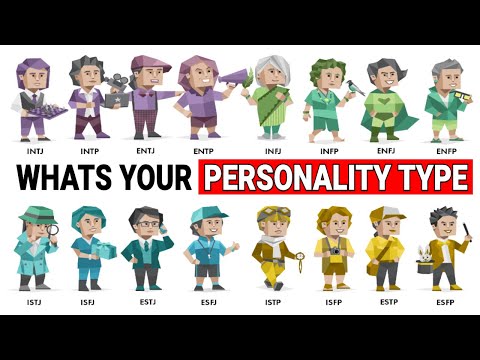
The Myers-Briggs Type Indicator, or MBTI, is a popular tool used to help people understand personality differences. It divides personalities into 16 distinct types based on four key dimensions. Let’s break it down a bit, shall we?
The Four Dimensions
The MBTI categorizes people based on their preferences in four areas:
- Introversion (I) vs. Extraversion (E): This dimension gauges where you focus your attention and energy. Introverts tend to recharge alone; extraverts thrive in social settings.
- Sensing (S) vs. Intuition (N): This one looks at how you take in information. Sensors prefer concrete data and facts, while intuitives go for patterns and possibilities.
- Thinking (T) vs. Feeling (F): Here’s where decision-making styles are examined. Thinkers prioritize logic and objectivity, whereas feelers consider emotions and values more.
- Judging (J) vs. Perceiving (P): This dimension reflects how you approach structure and organization. Judgers like control and predictability; perceivers are more flexible and spontaneous.
Each of these dimensions has two opposite preferences which, when combined, create your unique type.
Your Personality Type
So when you put all this together, you get a four-letter code that represents your personality type—like INFJ or ESTP! Each type has its own characteristics.
For example, an **INFJ** might be seen as introspective yet deeply caring about the well-being of others, while an **ESTP** may be bold and action-oriented, thriving on excitement and spontaneity.
The Purpose
The main aim of using the MBTI is self-discovery. You start to see why you might prefer certain environments over others or why conflicts arise with different personality types. Understanding these can help improve communication in both personal and professional relationships.
Anecdote Time!
A friend of mine once found out she was an INFP after taking the test. She was surprised to learn that her daydreaming tendencies were totally normal for her type! It helped her embrace her identity rather than feel like she had to fit into some mold of being overly practical or outgoing.
What Next?
If you’re curious about your own type or just want to learn more about others’, many resources are available online—some even offer downloadable PDFs with detailed explanations of each personality type! These can provide insights into traits, strengths, weaknesses, and even career options suited for each type.
And remember: while the MBTI is a neat tool for understanding personality differences, it’s just one way to think about who we are as individuals!
Understanding the Myers-Briggs Type Indicator Test: A Comprehensive Guide to Personality Assessment
The Myers-Briggs Type Indicator (MBTI) is one of those personality tests that sparks a lot of conversation. You’ve probably taken it or at least heard about it. It’s all about understanding how different personalities work, and honestly, it can be pretty eye-opening!
First off, the MBTI categorizes people into **16 different personality types** based on four key dimensions. Each dimension has two contrasting preferences, and your answers help figure out where you fall on the spectrum.
1. Extraversion (E) vs. Introversion (I)
This dimension looks at how you get your energy. If you’re an extrovert, you recharge by interacting with others—think big gatherings or fun nights out! If you’re an introvert, you might prefer a cozy night in or quiet time alone to feel re-energized.
2. Sensing (S) vs. Intuition (N)
This preference is about how you take in information. Sensing types focus on the present and concrete details—like when someone describes a meal in vivid detail! Intuitive types are big-picture thinkers who like to find patterns and possibilities beyond what’s in front of them.
3. Thinking (T) vs. Feeling (F)
This one’s all about decision-making styles: Thinkers tend to rely on logic and objective criteria when making choices, while feelers lean into emotions and personal values, considering how decisions affect people around them.
4. Judging (J) vs. Perceiving (P)
Judging types like structure and firm decisions; they appreciate plans and predictability in their lives. Perceiving types are more flexible—often going with the flow and keeping options open for spontaneity.
So combining these preferences gets you to one of those 16 personality types! For example, an INFP is an Introverted iNtuitive Feeling Perceiving type—it paints a picture of someone who may be empathetic, idealistic, and open-minded but often seeks solitude to recharge.
Now let’s chat briefly about the strengths. One big plus is that the MBTI can enhance self-awareness; understanding your type can help clarify why you react the way you do in different situations. It can also improve communication because knowing one another’s personality types allows for better interactions at work or in friendships.
But there are some critiques. Some critics point out that it’s too rigid—life isn’t black-and-white like personality tests suggest! You can’t box someone into one label or another because we’re all complex beings straddling traits from various categories.
Plus, there’s this whole debate about its reliability—they say it’s not consistently predictive over time; sometimes people get different results when they retake it after a while!
In real-life applications, organizations often use MBTI for team-building and personal development exercises to foster a collaborative environment. Plus many folks love using it for dating or finding friends who complement their style!
When diving into this world of personalities through the Myers-Briggs test, just remember: it’s a **tool**, not an absolute definition of who you are but rather a lens through which to see yourself—and others—more clearly! So hopefully that gives you a clearer picture of what the MBTI is really all about!
Understanding the Myers-Briggs Type Indicator: A Comprehensive Guide to Personality Insights
Sure thing! Here’s the lowdown on the Myers-Briggs Type Indicator (MBTI) and what it means for understanding personality. This whole thing is rooted in psychology, so grab a snack and let’s break it down!
The Myers-Briggs Type Indicator is a popular tool that sorts people into 16 different personality types. It was developed by **Isabel Briggs Myers** and her mother, **Katharine Cook Briggs**, based on Carl Jung’s theories about psychological types. It’s all about how we perceive the world and make decisions.
At its core, MBTI uses four dichotomies to categorize personalities:
- Extraversion (E) vs. Introversion (I): This reflects how you recharge your energy. Extraverts thrive in social settings, while introverts often need some alone time to feel refreshed.
- Sensing (S) vs. Intuition (N): This deals with how you take in information. Sensing folks focus on facts and details; intuitives lean towards patterns and big-picture ideas.
- Thinking (T) vs. Feeling (F): This indicates how you make decisions. Thinkers prioritize logic and objectivity, whereas feelers consider emotions and values.
- Judging (J) vs. Perceiving (P): This shows your approach to the outside world. Judgers like structure and organization, while perceivers prefer flexibility and spontaneity.
So, basically, when you combine those letters—E or I, S or N, T or F, J or P—you get one of the 16 personality types like ISTJ or ENFP.
Let’s dig a little deeper! Each type comes with its own set of traits that can really help you understand yourself better—or at least help you figure out why your friend insists on planning everything down to the minute! For example:
– An **ENFJ** might be the ultimate people person: charismatic, organized, and empathetic.
– On the flip side, an **INTP** could be more of a quiet thinker: analytical, curious about concepts but not always great at small talk.
Now here’s something interesting: knowing your type can improve communication with others. For instance, if you’re an INFP who loves deep conversations but have a friend who’s an ESTJ who just wants to tackle tasks efficiently, understanding these differences can help smooth things over.
Another cool aspect of MBTI is how it can guide career choices! Some types might thrive in creative fields while others might find their groove in structured environments like finance or law.
However—here’s where it gets tricky—many psychologists caution against taking these types too literally. Personality isn’t black-and-white; it’s more of a shade of gray. People can change over time or adapt their behavior depending on circumstances.
In short—while MBTI can offer some neat insights into your personality style and interpersonal dynamics, it’s not a definitive answer for who you are as a person!
So now that you’ve got this basic understanding of Myers-Briggs type indicator stuff planned out like some kind of quirky map for navigating human behavior—what do you think? It really makes you wonder about all those little quirks we have as individuals!
So, let’s chat about the whole Myers-Briggs Type Indicator thing. You know, those personality types that sound all science-y but are super relatable? I mean, it’s like a fun way to peek into how people think and act. Seriously, it can be eye-opening when you start figuring out why you or someone else reacts a certain way in situations.
When I first came across Myers-Briggs types, I was like, “Oh great, another quiz.” But then I took it and realized it kinda made sense! The thing is, the test sorts people into 16 different categories based on four key areas: how you get energized (extroversion vs. introversion), how you process information (sensing vs. intuition), how you make decisions (thinking vs. feeling), and finally, how you approach the world around you (judging vs. perceiving).
Just think about it: Imagine meeting someone who’s totally chill with spontaneous plans and feels overwhelmed by structure—that’s your classic Perceiver type! Or picture the friend who’s super organized and can’t handle surprise changes—a Judger! It can be wild to see those traits play out in daily life.
A while back, I had a buddy who always seemed stressed during group projects and would take charge of everything. Turns out he was an ESTJ—like naturally born to lead! Knowing that made me realize he wasn’t just bossy; he felt responsible for keeping everything on track. Understanding his type helped me chill out about our clashes—like we were just wired differently.
But there’s more to this than just understanding yourself or your friends; it’s also a great tool for teamwork. When everyone knows their types, they can tap into each other’s strengths instead of butting heads over differences. It’s not magic or anything but kinda close!
Of course, no system is perfect; there are critics who say personality types are too rigid or they oversimplify us as humans. And yeah, we’re all unique snowflakes with crazy lives that shape us beyond a few letters on a test! But still, using Myers-Briggs as a jumping-off point for conversations? That’s pretty cool.
In the end, grasping these personality types is really about connection—not boxing people in but rather unlocking some understanding that makes communication smoother. Whether you’re an INFP dreaming up wild ideas or an ENTJ trying to bring them to life—knowing where you’re coming from can really change the game in relationships and work dynamics alike! So next time you’re facing a clash with someone totally different from you, remember: those letters might have some wisdom wrapped inside them after all!