Hey! So, let’s chat about the Meyer Personality Test. If you’ve heard of it, you know it’s one of those personality quizzes that claims to reveal a lot about who you are.
You might be thinking, “What’s the big deal?” Well, the thing is, it can actually provide pretty cool insights into your behavior, emotions, and even how you interact with others.
Maybe you’re stuck in a rut or just curious about what makes you tick? Either way, this test could shine a little light on your journey of self-discovery.
Stick around as we explore how this test can help boost your personal growth and offer a new perspective on your life. Sounds interesting? Let’s get into it!
Understanding the Myers-Briggs Personality Test: Insights and Applications in Psychology
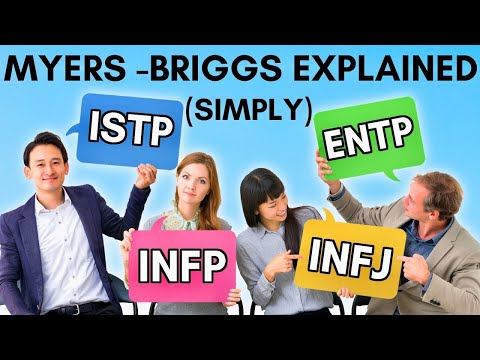
The Myers-Briggs Personality Test is like a fun way to peek into what makes you tick. Designed by Isabel Briggs Myers and her mother, Katharine Cook Briggs, it’s based on Carl Jung’s theory of personality types. They thought our differences in thinking and feeling could be grouped into four pairs of opposing traits. You might just find this stuff pretty relatable, so let’s break it down!
First off, the test measures four key dimensions:
- Extraversion (E) vs. Introversion (I): This is all about how you get your energy. Extraverts thrive on social interactions and activities, while introverts recharge through alone time or small gatherings.
- Sensing (S) vs. Intuition (N): Sensing types focus on concrete information—what they can see and touch—while intuitive folks are more about big ideas and possibilities.
- Thinking (T) vs. Feeling (F): This pair digs into decision-making styles. Thinkers prioritize logic and objective criteria, while feelers consider emotions and values that influence their choices.
- Judging (J) vs. Perceiving (P): Judging types prefer structure and decisiveness in their lives; they like plans! Perceptive individuals are more spontaneous, staying open to new information and experiences.
Putting these together gives you one of **16 personality types**! Each type has unique traits that influence how you interact with the world.
Let’s say you’re an **ENFP**: You’re likely outgoing, creative, and full of ideas! As an extraverted intuitive feeler who prefers perceiving, you probably love exploring new possibilities but also value personal connections deeply.
What’s super cool about this test is how people use it for personal growth. For example, if someone realizes they’re an introvert but often feel pressured to socialize like an extravert, they might start prioritizing downtime instead of chugging along at crowded events.
Plus, it can aid in career choices! Picture a **ISTJ**: practical detail-oriented folks often gravitate towards law or engineering jobs because they value stability and structure.
However—and there’s always a ‘but,’ right?—the Myers-Briggs isn’t a crystal ball for your future or personality flaws. It’s more like a starting point for self-discovery rather than a definitive label. Some critics argue that personality can change over time or in response to life experiences.
Another point worth mentioning is its application in team settings. Teams using this knowledge can blend strengths or cover weaknesses effectively based on individual personalities; imagine a brainstorming session where different perspectives flow harmoniously!
So yeah, while the Myers-Briggs Personality Test isn’t without its controversies or limitations, it definitely opens up paths for understanding yourself better—and maybe even making life choices that fit you well! It’s not just about being typed; it’s about using those insights to navigate your world a little smarter.
Exploring the Benefits of the Myers-Briggs Test for Personal and Professional Development
You know, the Myers-Briggs Type Indicator (MBTI) is one of those personality tests that really gets people talking. It’s based on Jungian psychology and sorts you into one of 16 different personality types. Each type reflects patterns in how you think, feel, and behave. So, let’s dig into some benefits of using the MBTI for personal and professional development.
Understanding Yourself Better
When you take the MBTI, you get insights into your preferences. For instance, are you more introverted or extroverted? Do you prefer structure or spontaneity? This understanding can lead to a stronger sense of self. Picture this: after taking the test, someone realizes they thrive in structured environments because they’re a Judging type. Suddenly, their workplace choices make way more sense!
Improving Communication
Different personality types communicate in different ways. Knowing your type and others’ can help bridge communication gaps. If you’re dealing with someone who is more intuitive (like an N type), understanding that they think big-picture might just change how you present ideas to them. Imagine being in a meeting where everyone speaks the same «language»—that’s pure gold!
Team Dynamics
In professional settings, knowing everyone’s personality type can help build stronger teams. Let’s say there’s a mix of thinkers and feelers on a project team; awareness of these types helps in creating balanced discussions where both analysis and empathy are valued. Team members can leverage each other’s strengths instead of stepping on toes.
Career Path Guidance
The MBTI can also point people toward careers that might suit them better based on their types. For example, a person with an INFP type might find fulfillment in creative fields like writing or counseling rather than something strictly analytical like accounting. So imagine someone who spends years unhappy at work suddenly lighting up because they found their ideal job!
Conflict Resolution
In any relationship—be it personal or professional—conflicts are bound to happen. Knowing your own MBTI type can help you understand why conflicts arise with certain personalities and how to handle them better. For example, if you’re dealing with an ESTJ who loves order while your INFP self craves flexibility, knowing this can soften approaches during disagreements.
Personal Growth and Development
Understanding your MBTI type also opens doors for personal growth! Once you know your weak points—like being overly sensitive as an F type—you can consciously work on being more objective when necessary.
So yeah, while no personality test is perfect or definitive (people are complex!), the Myers-Briggs Test offers some valuable tools for navigating life both personally and professionally. It equips you with insight that could enrich relationships and boost satisfaction in various aspects of life!
Exploring the Use of Myers-Briggs Assessments in Psychological Practice
The Myers-Briggs Type Indicator (MBTI) is kind of a big deal in the world of personality assessments. It’s one of those tools that aims to help you understand yourself and the way you interact with others. So, what’s the deal with it? Basically, it breaks down personalities into 16 distinct types based on four key dichotomies: introversion vs. extraversion, sensing vs. intuition, thinking vs. feeling, and judging vs. perceiving.
Now, let me paint a picture for you. Imagine you’re at a party, right? You’ve got your friend Sarah who thrives in social settings—she’s chatting it up with everyone and seems energized by the crowd (hello, extraversion!). Then there’s Tom in the corner nursing his drink while scrolling through his phone—he’s perfectly content soaking in the vibe without needing to engage fully (that’s introversion for ya!). These traits can influence everything from how we approach friendships to our work styles.
When people take the MBTI assessment, they typically receive a four-letter code that represents their personality type. For example, someone might be labeled an INFP or an ESTJ. Each type has its own unique characteristics; INFPs tend to be idealistic and empathetic while ESTJs are more structured and results-oriented.
One interesting thing about MBTI is how it’s used in psychological practice. It’s often employed for personal development and even team building in workplaces. Basically, it’s like having a cheat sheet for understanding how different personalities mesh together—or don’t! In teams where there are diverse personality types represented, understanding each person’s style can really help clear up misunderstandings or conflicts.
Some professionals find value in guiding clients based on their MBTI results. For instance, if someone discovers they’re a “feeling” type rather than “thinking,” they might realize why they struggle with making decisions objectively at times or why they prioritize others’ emotions over logic.
But here comes the catch: While many people find MBTI insightful for personal growth, critics argue that it lacks scientific backing compared to other assessments like the Big Five Personality Traits model. Some say that because there’s no strong evidence showing these categories predict behavior effectively, they could be oversimplifying complex human traits.
In spite of this debate among psychologists about its reliability, MBTI continues to have its fans—especially among individuals seeking greater self-awareness. People often say things like “Wow! That totally explains my quirks!” or “Now I get why I clash with my boss!” And hey, if it helps someone see themselves more clearly or improve communication at work or home? There’s something valuable there!
In summary:
- The MBTI categorizes personalities into 16 types using four dichotomies.
- It helps clarify interpersonal dynamics by showing strengths and weaknesses.
- Some professionals use it to guide clients in personal growth.
- Critics point out its lack of scientific backing compared to some other assessments.
So whether you’re a fan of Myers-Briggs or just curious about personality types in general, it’s clear this tool has sparked a lot of conversations—and maybe even helped some folks along their journey of self-discovery!
Okay, so the Meyer Personality Test, right? It’s one of those quizzes that tries to map out your personality based on how you respond to different situations. I mean, who hasn’t taken one of these tests for fun? You get a bunch of letters at the end, and suddenly you’re supposed to have this deep insight into who you are.
I remember taking it for the first time in college. I was curious but also kind of skeptical. I got an INFP result, which made sense to me because I was all about dreaming up stories and getting lost in my thoughts. But here’s the thing: it felt both freeing and a bit confining at the same time. Like, it helped me realize certain traits about myself—how I react in social situations or how I handle stress—but then there was this nagging feeling that I didn’t quite fit into just one box.
That’s where personal growth kicks in! So many folks use these insights as a springboard to dive deeper into self-awareness. Maybe you find out you’re an extrovert and love people but can also get drained quickly in big groups. When it clicks for you, it’s like turning the lights on in a dark room—you see parts of yourself you’ve never acknowledged before.
The beauty of this test is that it encourages reflection. You start thinking about why you behave certain ways or why some activities energize you while others make you want to crawl under a blanket. It helps you question your habits and maybe even push back against your natural tendencies if they don’t serve you anymore.
But let’s be real—it’s not all rainbows and sunshine. Depending too much on these labels can create limitations. Just because you’re labeled as an introvert doesn’t mean you’ll never enjoy throwing a party or trying something new with friends! So, keeping an open mind is key here.
In short, using the Meyer Personality Test can spark some real insights for personal growth—but just like any tool, it’s all about how you decide to wield it! It can open doors if you’re willing to walk through them while also knowing you’re more than just four letters defining your personality. And honestly, isn’t that what makes us human?