So, let’s chat about something super important—mental health first aid. You know, just like physical first aid helps when someone gets hurt, mental health first aid is all about supporting people when they’re feeling down or struggling in that way.
Imagine you’re hanging out with a friend who’s going through a rough patch. What do you say? How do you help? The reality is, many of us don’t really know what to do in those moments.
That’s where mental health first aid comes in. It’s all about giving you the tools to step up and support yourself or someone else when things get tough.
It’s a game changer in the world of psychological practices. Seriously! You might find that being equipped to help can make all the difference for someone in need. Plus, it feels good to be there for others, right? Let’s dig into this!
Mastering Psychological First Aid: A Step-by-Step Guide to the 8 Essential Steps
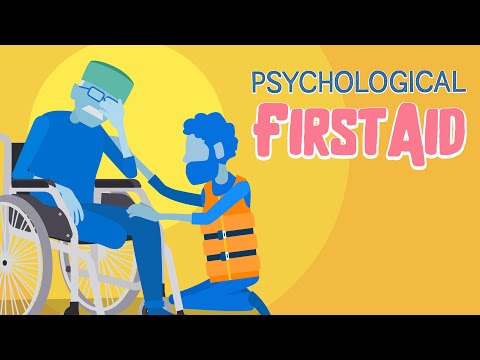
Sure, let’s chat about psychological first aid (PFA). It’s like CPR, but for the mind! It’s all about helping people who are going through tough times. You know how when someone scrapes their knee, you help them clean it up? Well, PFA is sort of like that for emotional wounds. So here are those essential steps laid out for ya.
1. Assess the situation: Before jumping in, take a moment to look around. Are there any dangers? Is the person safe? You don’t want to put yourself or anyone else at risk. Imagine seeing someone collapse at a park. Your first thought shouldn’t just be rushing over to help; you gotta check if it’s all clear.
2. Identify yourself and your role: When stepping in, let the person know who you are and what you’re doing there. Just saying, “Hey, I’m here to help,” can go a long way. Picture this: Someone is lost in a crowd and feels overwhelmed by anxiety, and suddenly a friendly voice pops up—yeah, that’s comforting!
3. Listen actively: This step is super crucial! Just being there to listen can be so powerful. Encourage them to share what they’re feeling by nodding or saying small things like “I see.” It’s not always about fixing things; sometimes people just want someone they can talk to.
4. Validate feelings: It’s easy to dismiss emotions as overreactions sometimes, but really validating their feelings helps build trust. If they say they’re scared or sad—acknowledge it! Saying something like “That sounds really tough” makes a huge difference.
5. Provide practical help: Once they’ve shared their feelings and you’ve listened well, it might be time to offer some practical assistance if they’re open to it—like suggesting they call a friend or finding someone who can assist them further.
6. Encourage self-care: Remind them that taking care of themselves is super important during tough times! Even simple things like drinking water or taking deep breaths can help calm those frazzled nerves.
7. Offer resources: If the situation allows for it, guide them toward some resources for further support—like hotlines or local mental health services. It shows you’re not just there for the moment; you care about their long-term well-being too!
8. Follow-up later: After some time has passed, check in on them! A quick message saying «Hey, just wanted to make sure you’re okay» can really brighten someone’s day and show that they matter.
Remember—it’s not always easy knowing how best to help others when they’re feeling low or troubled, but these steps provide a solid framework for being there in meaningful ways without putting too much pressure on yourself while you’re at it! Just being present often means more than you’ll ever know.
Comprehensive Guide to Psychological First Aid: Download the PDF Resource
Psychological First Aid (PFA) is like a first-aid kit but for your mind. It’s all about helping people in the aftermath of trauma or stress. Think of it as being there for someone when they need emotional support, just like you would help if someone got physically hurt.
So, what exactly is PFA? It’s basically a set of principles and practices aimed at reducing the initial distress experienced by someone going through a tough time. You know how after an accident, people rush to help? Well, PFA is similar but focuses on emotional needs instead of physical ones.
Here’s what you should keep in mind about PFA:
- Listen actively: People need to feel heard. Sometimes just lending an ear can make a world of difference.
- Offer support: Let them know it’s okay to feel how they’re feeling. Reassure them that they’re not alone.
- Provide information: Sometimes, simply sharing where they might find additional help can be comforting.
- Avoid overwhelming them: Don’t rush things! Give them time to process what happened without pushing too hard.
Consider this: Imagine your friend just lost their job unexpectedly. They’re overwhelmed and don’t know where to turn. You sit with them, listen to their worries, and offer to help them look for new opportunities together. That’s psychological first aid in action!
The core principles behind PFA revolve around empowering individuals in crisis situations and providing immediate relief from emotional distress. This means recognizing signs of stress or trauma and acting accordingly. For instance:
- If someone seems withdrawn or anxious, gently reach out and ask if they want to talk about it.
- If they express feelings of helplessness or confusion, remind them that these feelings are normal reactions to abnormal situations.
PFA isn’t just for professionals; everyone can practice it! Whether you’re a teacher, friend, family member, or coworker—being aware of these principles gives you the tools needed to assist others effectively.
Now, let’s face it—it can feel a bit daunting knowing how best to help someone in distress without overstepping boundaries or making things worse. That’s why resources exist! Many organizations create comprehensive PDFs that outline practices like PFA so you can have those tools handy whenever you need ‘em.
In short, promoting mental health through Psychological First Aid is about fostering connections and being present for one another during tough times. Just think—you could be that person who helps lighten someone else’s load when they need it most!
So yeah, if you’re interested in diving deeper into this concept or finding resources like downloadable PDFs on Psychological First Aid practices to keep on hand—there are plenty out there ready for you! Being prepared not only benefits others but also boosts your own understanding and confidence when faced with such situations.
Essential Psychological First Aid Activities for Effective Crisis Response
Crisis situations can hit hard, whether it’s a natural disaster, personal loss, or even just a really bad day. When things get tough, having some basic psychological first aid (PFA) skills can be like having a toolkit ready to go. You know? It’s all about giving support to someone who’s facing an emotional storm. So let’s talk about some essential activities that can help during these tough moments.
Active Listening is like the foundation of PFA. When someone is upset, just being there and really hearing them out is huge. You’re not just nodding along; you’re actually paying attention. Give them space to express their feelings without jumping in with your opinions or solutions. For instance, if a friend lost a loved one, letting them share their stories and emotions can be incredibly healing.
Providing Comfort is another key activity. This doesn’t mean you have to give big speeches or make everything better instantly. Sometimes, just sitting quietly with someone can be comforting enough. A hug or even just holding their hand might say more than words ever could. It’s about letting them know they’re not alone in this.
Offering Practical Support could look different depending on the situation. After a crisis, people might need help with daily tasks—like going grocery shopping or handling paperwork from insurance claims. Jumping in to help with something small can lighten their load immensely.
One important part of PFA is Normalizing Feelings. People often think they should act strong during tough times but reminding them that it’s completely okay to feel sad, angry, or confused is crucial. You could say something like, “Anyone would feel overwhelmed in this situation.” This helps create an atmosphere where they feel safe expressing their emotions.
Encouraging Self-Care can make a difference too! Remind individuals that taking care of themselves isn’t selfish—it’s necessary! Suggesting simple things like staying hydrated, getting enough sleep, or enjoying a hobby can help restore some balance amidst all the chaos.
Lastly, Connecting Them to Resources plays an essential role in PFA as well. If someone needs more support than you can give—like counseling services—don’t hesitate to point them in the right direction. Having access to professionals who are trained to deal with these situations may provide relief and further assistance.
In summary: Crisis situations are completely overwhelming for everyone involved, but remember these activities:
- Active Listening
- Providing Comfort
- Offering Practical Support
- Normalizing Feelings
- Encouraging Self-Care
- Connecting Them to Resources
You see? These small acts form the backbone of providing psychological first aid during a crisis. With empathy and understanding as your guides, you’ll be able to make a real difference for someone who truly needs it at that moment!
Mental health first aid is one of those concepts that kind of feels like it should be a no-brainer. I mean, just like we teach people how to perform CPR or deal with a choking situation, wouldn’t it make sense to equip folks with tools to help someone in distress emotionally? You know what I’m saying?
Imagine walking through a park and seeing someone sitting on a bench, tears streaming down their face. It’s heart-wrenching, right? You might feel compelled to help but not know what to say or do. That’s where mental health first aid comes in. It’s all about giving everyday people, teachers, friends—even family members—the skills they need to offer support when someone’s feeling overwhelmed or distressed.
In many psychological practices today, there’s this push for integrating mental health first aid training. It’s about breaking down those walls of stigma and teaching that reaching out for help is totally okay. Seriously! The more we normalize these conversations around mental health, the better equipped everyone will be to handle tough situations—both for themselves and for others.
And let’s think practically for a moment. When you have that training under your belt, you’re not only more likely to notice the signs of someone struggling but also feel empowered to take action. Like knowing how to listen without judgment or understanding how to encourage someone to seek professional help if they need it. These are big skills!
But it’s also super important that those teaching these methods are grounded in empathy and understanding themselves. So often, it can feel too clinical or distant when you’re just looking for genuine support from another human being, you know? If we can foster an environment where people truly care about each other’s well-being—and have the tools to back that up—it really could change lives.
So yeah, while promoting mental health first aid in psychological practices might sound all professional and polished on the surface, at its core it’s about human connection. It’s there for anyone who might need it—a friend who feels lost after a breakup or even your coworker who seems way more stressed than usual. The hope is that by promoting these practices broadly, we create communities filled with compassion and understanding—and that’s something worth striving for!