You know how sometimes you feel kinda all over the place? Like, your mind is a racecar zooming around a track, but you’re stuck at the starting line?
Yeah, that’s not just you. A lot of adults struggle with things like distraction or forgetfulness, and they don’t even realize it could be something more. Maybe you thought it was just life getting busy.
But what if those little quirks are hints pointing to mild ADHD? It’s sneaky, for sure. You might brush it off or think everyone else feels the same way.
So let’s chat about those subtle symptoms. It might help you see yourself—or someone close to you—more clearly. Because understanding this stuff can really make a difference!
Recognizing the Signs of Untreated ADHD in Adults: Key Indicators and Implications
Recognizing the signs of untreated ADHD in adults can be a bit tricky. It’s not always obvious, and sometimes it can just seem like someone’s disorganized or forgetful. But these are actually key indicators of Attention Deficit Hyperactivity Disorder, or ADHD for short. Let’s take a closer look at some of those signs.
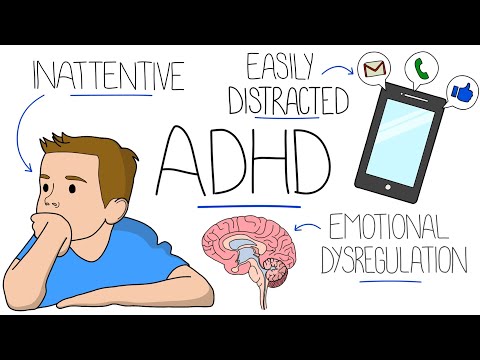
First off, **inattention** is a major piece of the puzzle. You know how some people constantly lose their keys or forget to respond to emails? For adults with ADHD, it might go way beyond that. Things like frequently misplacing important items, having trouble focusing on tasks, or getting easily distracted by random noises can really interfere with daily life.
Then there’s **impulsivity**. This doesn’t just mean jumping into decisions without thinking. It could show up as interrupting others during conversations or making snap judgments in your personal life that you might regret later. Like, maybe you impulsively buy something expensive without considering if it fits into your budget.
Another telltale sign is **hyperactivity**, although this one can look different in adults compared to kids. Instead of bouncing off the walls, an adult might feel restless all the time or have difficulty staying seated during meetings. Ever find yourself tapping your foot constantly during a boring lecture? That could be a subtle sign.
It’s also worth noting **emotional dysregulation**. Adults with untreated ADHD may struggle with handling their emotions effectively. You might find yourself overreacting to minor annoyances or feeling overwhelmed by everyday stressors more than others seem to.
Lastly, **poor time management skills** can be a big indicator too! If you often miss deadlines or struggle to prioritize tasks effectively, it might be related to ADHD rather than just being “bad” at managing time.
These signs can have serious implications for daily life and relationships:
- Work challenges: Difficulty completing tasks and meeting deadlines can lead to job instability.
- Relationship issues: Friends and partners might feel frustrated if they think you’re not paying attention.
- Mental health: This might lead to anxiety or depression due to feeling overwhelmed.
All in all, recognizing these signs is super important for improving quality of life! If you see yourself in this description—or know someone who does—talking about it openly is vital for getting help and support!
Uncommon ADHD Symptoms in Adults: Recognizing the Signs
So, let’s talk about ADHD in adults. You might think it’s just about being hyper or inattentive, but there are **uncommon symptoms** that aren’t always on people’s radars. It’s kinda sneaky because it can show up in ways you wouldn’t expect.
1. Emotional dysregulation can be a biggie. This means you might find yourself feeling emotions more intensely than others do. Like, one little comment from a colleague could have you feeling furious, even if it seems minor to them. That frustration hits differently when you’ve got ADHD.
2. Chronic boredom is another one that flies under the radar. You might be super interested in something for a while but then find yourself easily bored or restless when things get slow. This isn’t just laziness; it’s your brain craving some stimulation.
3. Difficulty prioritizing tasks can really mess with your productivity. You know how sometimes everything feels like a priority? Yeah, that happens when you’ve got ADHD symptoms lingering in the background! It might feel like trying to juggle five balls while riding a unicycle—just chaotic.
4. Hyperfocus sounds cool, right? But it’s not always sunshine and rainbows! When you’re into something—like binge-watching a series or diving deep into a hobby—you can lose track of time, ignoring everything else around you, including basic needs like eating or sleeping.
5. Time blindness is real too! It’s like your brain has its own funky clock that runs differently than everyone else’s. You might underestimate how long tasks take or forget appointments more often than you’d like to admit.
Sometimes these symptoms can come off as traits of a personality rather than disorders—like being “the laid-back friend” or “the emotional one.” But they’re part of the ADHD package deal too.
And hey, if this resonates with you or someone you know? Just remember that understanding these subtle signs matters! Recognizing what you’re dealing with lets you figure out ways to adapt and manage better, whether through personal strategies or seeking support from professionals who get it.
Life gets tricky with ADHD; no doubt about it! Whether it’s navigating relationships or just getting through the day, knowing these less obvious signs could really help clarify what’s going on beneath the surface.
Understanding ADHD Symptoms in Adult Men: Key Signs and Insights
So, let’s talk about ADHD, particularly in adult men. A lot of folks think it’s just a kid’s thing, but that’s not the whole picture. Understanding ADHD symptoms in adults can be a bit tricky since they often show up differently than what you might expect in children.
First off, **what is ADHD?** Basically, it stands for Attention-Deficit/Hyperactivity Disorder. It’s a brain thing that affects how you focus and control impulses. For adult men, this can manifest in various ways.
1. Inattention: This is a biggie. Adult men with ADHD might find it hard to stay focused on tasks, especially boring ones. You know that feeling when you’re at work trying to finish a report but your mind keeps wandering? Yeah, that happens more often for guys with ADHD.
2. Impulsivity: This can mean making snap decisions or blurting things out without thinking first. Picture a guy in a meeting who just randomly interrupts with an idea—hey, it could be brilliant! But he also might derail the whole conversation without meaning to.
3. Restlessness: Some might assume this means being fidgety all the time. But for adult men, restlessness can feel more like an inner drive to always be on the go or needing something to do—like constantly switching from one task to another or having trouble chilling on the couch after work.
4. Emotional Dysregulation: This refers to having emotional reactions that seem out of proportion or difficulty managing emotions well. Let’s say your buddy gets way too upset over losing at video games—it’s not just about the game; it reflects that underlying struggle.
5. Hyperfocus: Kind of ironic, huh? While attention may waver most of the time, some guys can zone in intensely on something they love—like gaming or building models—losing track of time entirely and ignoring everything else around them!
Recognizing these signs can sometimes be difficult because they blend into everyday life so well. You might think you’re just forgetful or easily bored when really it could hint at something bigger like mild ADHD.
So why does this matter? Well, understanding these symptoms means better ways to cope and manage life challenges more effectively! Many men struggle silently because they feel misunderstood or don’t even realize what’s going on.
Also, remember: not everyone experiences these symptoms in the same way! Some may deal with only a few signs while others juggle several all at once.
The key takeaway here is awareness—being aware of your own behaviors and how they affect you and those around you can really change things up for the better! If any of this resonates with someone you know—or maybe even yourself—it could be worth exploring further!
You know, recognizing mild ADHD in adults can be kinda tricky. I mean, let’s face it, when we think of ADHD, we often picture hyperactive kids bouncing off the walls. But the truth is, ADHD can hang around into adulthood. And sometimes, it shows up in ways that aren’t super obvious.
I remember a friend of mine, let’s call him Dave. He’s a smart guy but always seemed to have that extra layer of chaos in his life. Like, he’d misplace his keys or forget about plans last minute. At first, I thought he was just scatterbrained or a bit disorganized—totally relatable stuff, right? But looking back, some of those little things started adding up. He struggled with keeping focused during meetings and would zone out when people were talking about details he didn’t find interesting.
So what are some subtle signs to look for? Well, you might notice that someone (maybe even yourself) has trouble prioritizing tasks—like starting with the easy stuff instead of tackling more important things first. Or maybe there’s an ongoing feeling of restlessness or boredom even during activities that should be engaging. It’s like this nagging sense of “I should be doing something else,” which is frustrating because it keeps you from enjoying the moment.
Another thing is time management—or lack thereof! You could find yourself constantly late or scrambling to meet deadlines because everything feels like it crept up on you outta nowhere. Those moments when you sit down to work and suddenly get distracted by absolutely anything else? Yeah, that can be a clue too.
And let’s talk about emotional volatility! You might notice some mood swings or feeling overwhelmed by what seems like minor challenges. It’s not that anyone wants to feel stressed over tiny things; it just happens sometimes.
So if any of this feels relatable—if you’ve got a bit of Dave in you—it might be worth digging deeper into those habits and feelings. Just remember, recognizing these symptoms isn’t about labeling yourself; it’s more about understanding your unique brain wiring and how it plays out in daily life. Knowing what you’re working with can really help when it comes to finding strategies or support that actually fit your style!
There’s no one-size-fits-all with this stuff; everyone’s experience is different! If anything resonates with you from this little reflection on mild ADHD signs in adults, maybe take a moment to think about how those patterns show up in your life—or someone close to you—because awareness is half the battle!