Do you ever feel like your brain’s just running a million miles an hour? Like, you’re juggling life’s curveballs and trying to breathe at the same time? Yeah, me too.
Sometimes, stress and anxiety can creep in and take over, right? But guess what? There’s a way to hit the brakes on that racing mind.
Mindfulness is this super simple concept. It’s about being present, tuning into your thoughts and feelings without judgment. Doesn’t sound too hard, huh? Well, it can make a world of difference.
I’ve tried some easy mindfulness practices myself. Trust me; they can be game changers when everything feels a bit too much. Let’s talk about how you can weave these little moments of calm into your hectic life!
Effective Mindfulness Practices for Reducing Anxiety and Stress in the Brain
Mindfulness is one of those buzzwords you hear all over the place, but what does it really mean? It’s not just about sitting cross-legged and meditating for hours. Basically, mindfulness is about being present in the moment and tuning into your thoughts and feelings without judgment. It can seriously help reduce anxiety and stress in your brain. So, let’s break down some effective practices that might just make a difference in your daily life.
1. Breathing Exercises
One of the simplest ways to bring mindfulness into your day is through breathing exercises. Focus on taking deep, slow breaths—like you’re filling up a balloon! Inhale for a count of four, hold for four, and exhale for six. You’ll notice that as you concentrate on your breath, other worries start to fade away. If you’ve ever taken a moment when stress feels overwhelming to just breathe deeply, you know it can help calm that racing heart and clear your mind.
2. Body Scan
Have you ever tried a body scan? It’s like an internal check-up to see how you’re feeling physically. Lie down comfortably or sit in a relaxed position. Then, mentally move through each part of your body—from your toes to the top of your head—and notice any tension or discomfort. Seriously! Just paying attention to how you’re feeling can be eye-opening. This practice helps create awareness of where stress might be hanging out in your body.
3. Mindful Walking
This one’s cool! Instead of just strolling from point A to point B on autopilot, turn it into a mindful experience. Pay attention to how your feet feel against the ground with every step you take., Notice the sounds around you—the rustle of leaves or distant chatter—and feel the breeze on your skin. Walking like this makes every step feel intentional and can shift your mind away from anxious thoughts.
4. Five Senses Exercise
You know those moments when anxiety creeps in and makes everything feel overwhelming? The five senses exercise is perfect for snapping out of it! Take a minute to notice five things you can see around you—maybe it’s a plant or something shiny—four things you can touch—like the texture of your shirt—three things you can hear—like music or birds chirping—and so on with smell and taste too if possible! This brings you back into reality quickly.
5. Loving-Kindness Meditation
This practice is all about sending love—not just to yourself but also to others around you. Sit quietly, maybe close your eyes, and think of someone who makes you happy; then repeat phrases that wish them well, like «May they be happy.» It sounds mushy but it actually helps improve emotional resilience over time! When we focus on positive feelings towards others (and ourselves!), it boosts well-being.
And hey, if these practices sound awesome but also kind of daunting at first—that’s totally normal! Try picking one or two that resonate with you most and stick with them for a bit before adding any new ones into the mix.
Mindfulness isn’t about making everything perfect; it’s more about acknowledging where you’re at right now in this chaotic world we live in—and that’s huge! By giving these practices a shot regularly, you’ll likely find some relief from anxiety and stress creeping up on ya more often than not!
Mindfulness Exercises for Anxiety: Downloadable PDF Guide to Enhance Your Well-Being
Sure! Let’s chat about mindfulness exercises that can help you deal with anxiety. You know how life can get pretty overwhelming sometimes, right? Mindfulness is all about being present and really tuning into what’s going on around you and inside your own head. So, let’s break this down.
Understanding Mindfulness
Mindfulness is like hitting pause on the chaos of life. Instead of worrying about the future or stressing over the past, it helps you focus on right now. This simple shift can be a game-changer for your mental health.
Why It Matters for Anxiety
Anxiety often makes us spiral into negative thoughts and “what if” scenarios. Mindfulness practices can help ground you in reality. They create a space where you can observe your thoughts without judgment, which can seriously reduce feelings of stress and panic.
Some Simple Mindfulness Exercises
- Breathe Deeply: Find a comfy spot and take slow, deep breaths. Inhale through your nose for a count of four, hold it for four, then exhale slowly through your mouth for six. Feel your chest rise and fall.
- Body Scan: Lie down or sit quietly and focus on each part of your body from head to toe. Notice any tension or discomfort without trying to change it—just acknowledge it.
- Five Senses Exercise: Look around you and name five things you see, four things you can touch, three things you hear, two things you can smell, and one thing you can taste. This brings your awareness back to the present moment.
- Meditation: Set aside just five minutes daily to sit in silence with your eyes closed. Focus on your breath or repeat a calming word or phrase in your mind.
- Walking Mindfully: Go for a walk outside but pay attention to every step. Feel the ground beneath your feet; notice the sounds around you—the wind rustling leaves or birds chirping.
You might feel silly at first doing some of these exercises—like when I first tried meditation—I was just there thinking about everything else I needed to do instead! But sticking with it really made a difference.
A Downloadable PDF Guide
You might come across guides online that offer printable PDFs filled with mindfulness exercises specifically designed for anxiety relief. These are great because they let you have reminders handy whenever stress pops up unexpectedly.
When looking for guides like this:
- Make sure they contain a variety of exercises so you don’t stick with just one method.
- A good guide should also explain the intention behind each exercise—like why breathing techniques help calm anxiety.
- If possible, find something that includes visuals; images help reinforce what you’re learning.
The Bottom Line
Incorporating mindfulness exercises into daily life could genuinely enhance your well-being by easing anxiety levels over time. Just remember: it’s all about practice! The more consistent you are—even if it’s just five minutes each day—the better equipped you’ll be to handle life’s ups and downs.
So give yourself some grace as you’re trying these out; it’s not always perfect! You’ll likely find which practices resonate best with you as time goes on. And who knows? They might just become part of your routine in no time!
Top Meditation Techniques to Alleviate Stress and Anxiety Effectively
Meditation is one of those things that people often turn to when stress creeps in or anxiety starts to take over. Seems simple enough, right? But there’s a bunch of different techniques, all with their own flavor. Let’s chat about a few popular ones that can really help.
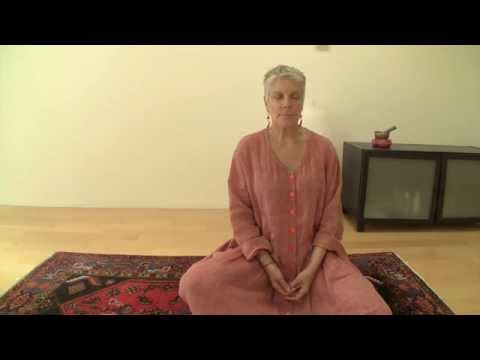
Mindfulness Meditation is like giving your brain a mini-vacation. You sit quietly and focus on the present moment, noticing your thoughts without judgment. Picture yourself sitting in a quiet room, focusing on your breath. If your mind starts wandering — and it will — just gently bring it back to your breathing. It’s powerful stuff! This practice helps you become more aware of your feelings without getting swept away by them.
Then there’s Guided Visualization, which is pretty nifty if you need some creative escape. Here, you listen to someone guide you through a peaceful scene, like walking through a lush forest or lying on the beach. You might visualize the sound of waves or the smell of pine trees. You can even find apps or recordings that lead you through this process. It helps shift your focus from stress to something calming.
Have you heard about Loving-Kindness Meditation? This one’s sweet and full of warmth! The idea is to send goodwill and kindness towards yourself and others. You might start by silently wishing yourself happiness and then gradually extend those wishes to loved ones and eventually even people you’ve had conflicts with. It’s like sending little love notes to everyone around you, including yourself!
Body Scan Meditation is another gem for relaxation. Instead of focusing solely on thoughts or images, here you focus on physical sensations in your body, starting from your toes up to the crown of your head (or vice versa!). You might notice tension in your shoulders or tightness in your jaw; acknowledging these sensations can help release them over time.
Lastly, let’s not forget about Breath Awareness. This one’s super simple yet incredibly effective! Just pay attention to each inhale and exhale as they flow naturally without trying to change anything. It grounds you instantly and reminds you that you’re alive right here and now.
To sum up what we’ve talked about:
- Mindfulness Meditation: Focuses on being present.
- Guided Visualization: Embarks on a peaceful mental journey.
- Loving-Kindness Meditation: Cultivates goodwill towards yourself and others.
- Body Scan Meditation: Connects awareness with physical sensations.
- Breath Awareness: Anchors attention on natural breathing.
Trying out different styles can be helpful until you find what’s comfy for you. After all, meditation should feel like catching some rays after being cooped up indoors too long — uplifting! So maybe take a few moments today for one of these practices? Your mind will thank you later!
Mindfulness has become one of those buzzwords, you know? Everyone’s talking about it, and for good reason. It’s like a soothing balm for the chaos in your mind. I remember this one time when I was feeling overwhelmed with work. My head felt heavy, loaded with deadlines and all these thoughts racing around.
I decided to give mindfulness a shot. I sat down in my favorite chair, closed my eyes, and focused on my breath. At first, it was tough! Thoughts about what I needed to do kept popping up like unwanted guests at a party. But then something shifted. It felt like I was gently guiding myself back to the present moment each time my thoughts drifted. Crazy how just tuning into your breath can create this little oasis of calm amid the storm.
Practices like this can help alleviate anxiety and stress by pulling you out of that spiral of worry that often feels endless. You’re not trying to ignore those racing thoughts but rather acknowledging them without letting them control you. It’s almost empowering! You realize that you have the ability to step away from the noise in your head.
There are all sorts of mindfulness practices out there—meditation, yoga, even mindful walking where you pay attention to each step as if you’re dancing through life. The key is finding what resonates with you personally because not everything works for everyone.
But seriously, sticking even just a few minutes into your day for mindfulness can make a difference. Like when you’re drinking your morning coffee or waiting for the bus—use that time to ground yourself, take deep breaths, and notice what’s around you.
So yeah, while it may seem simple on the surface, mindfulness is packed with potential benefits for your mental well-being! The more you practice it, the more it becomes a handy tool in dealing with life’s ups and downs—and let’s face it; we could all use some help with that sometimes!