Alright, so let’s chat about the Minnesota Multiphasic Personality Inventory, or MMPI for short. Sounds fancy, right? But really, it’s just a tool that gives us some wild insights into how our minds work.
Imagine you’re taking a personality quiz. You’ve got a bunch of questions, and they’re probing deep into your thoughts and feelings. That’s kinda what the MMPI does.
It’s not just about knowing if you’re an introvert or extrovert, though. This thing digs into mental health stuff too—like anxiety, depression, and all those tricky emotions we deal with.
I remember when I first heard about it. A friend of mine took it for fun, and the results shocked everyone! It was like peeling back layers of an onion—you think you know someone until you see what’s really going on underneath.
So grab your favorite drink and let’s break down what this quirky inventory is all about!
Understanding the Minnesota Multiphasic Personality Inventory: A Comprehensive Guide to Psychological Evaluation
The Minnesota Multiphasic Personality Inventory, or MMPI for short, is this really well-known test used by psychologists to get a peek into a person’s personality traits and psychopathology. Seriously, it’s one of the most popular psychological assessments out there. So, what’s the deal with it?
First off, the MMPI has been around since the late 1930s. It was designed to help in diagnosing mental disorders. But it’s grown since then—now it helps with understanding personality styles too! There are standard versions like the MMPI-2 and the MMPI-2-RF (which is a shorter version).
What does it measure? Basically, the test dives into different personality characteristics and psychopathological issues. The aim is to highlight potential areas of concern, but not whole stories about who you are as a person.
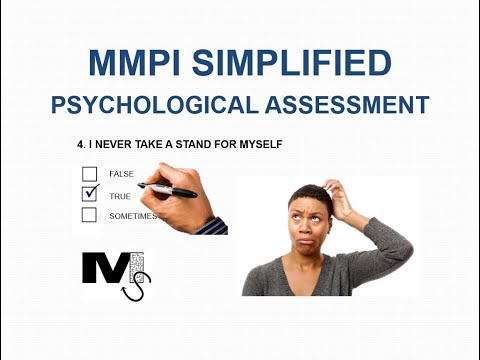
When you take the test, you’re going through a series of statements you need to agree or disagree with. For example, you might see something like “I often feel sad” or “I like to be alone.” Each response contributes to your profile score in various categories.
Here are some key features:
- Validity scales: These help check if someone is being honest in their answers. Ever heard of lying or faking good? That can totally skew results.
- Clinical scales: These look at mental health issues like depression, anxiety, and paranoia.
- Content scales: These focus on more specific characteristics and behaviors.
So okay—why should we care about this? Well, imagine you’re struggling with anxiety at work. A psychologist might use the MMPI to identify underlying issues that contribute to that anxiety. It gives them a clearer picture than just talking about feelings.
It’s important to note that while the MMPI gives valuable insights into your personality and potential mental health issues, it isn’t the end-all-be-all answer. It’s just one piece of a bigger puzzle when understanding someone’s psychological makeup.
Another cool thing? The use of norms! When analyzing results from the MMPI, psychologists compare an individual’s scores against established norms from different populations. This way they can understand where your scores sit relative to others.
Still feel lost? Don’t worry! The whole point here is not only diagnosis but also creating meaningful conversations around mental health and personal development.
That said though; there are some controversies surrounding how it’s used—like how accurately it measures certain traits across diverse populations or cultures. Not everyone fits neatly into those boxes!
In essence: The MMPI offers a structured approach for raw insights into human behavior but needs careful interpretation by professionals who really know their stuff! And hey—if nothing else—it can also spark some interesting discussions about who we are and why we do what we do!
Exploring the MMPI-2: Its Role in Diagnosing ADHD
The MMPI-2, or Minnesota Multiphasic Personality Inventory, is a pretty popular tool in psychology. It’s mainly known for assessing personality traits and psychopathology, but it can also provide some insights when diagnosing attention-deficit/hyperactivity disorder (ADHD). Let’s break down how this works.
First off, what is the MMPI-2? Well, it’s a questionnaire that consists of over 500 statements. You respond with “true” or “false” to various items that touch on your behaviors, thoughts, and feelings. This helps professionals figure out various psychological conditions based on the patterns that emerge from your answers.
Now, let’s talk about ADHD. It’s often diagnosed in children but isn’t exclusive to them; adults can have it too. The core symptoms usually involve inattention, hyperactivity, and impulsivity. Diagnosing ADHD isn’t always straightforward—it can get pretty tricky since many other conditions might share similar symptoms.
That’s where the MMPI-2 comes into play! Even though it’s not specifically designed for ADHD diagnosis, it does offer valuable data around behavioral patterns that could indicate ADHD traits. Here are some key points:
- Validity Scales: The MMPI-2 includes scales that help determine if someone is answering truthfully. If a person’s responses are inconsistent or overly exaggerated, it might hint at defensive behaviors common among individuals with ADHD.
- Profile Patterns: Clinicians look at various scales to see how someone scores across different areas. For instance, high scores on certain scales might suggest impulsivity or difficulties with attention—both key features of ADHD!
- Other Disorders: Since symptoms of ADHD can overlap with other disorders like anxiety or depression, the MMPI-2 helps differentiate between them by looking at unique response patterns.
An example could be a person scoring high on the Impulsivity scale while also showing anxiety-related responses. This can indicate a need for further exploration rather than jumping to conclusions about an ADHD diagnosis.
It’s essential to remember that while the MMPI-2 provides useful insights into potential attention issues and personality characteristics tied to ADHD, it’s just one piece of the puzzle. Clinicians typically combine its results with clinical interviews and behavioral assessments for a more rounded view.
So next time you hear about the MMPI-2 and its role in diagnosing ADHD—or any mental health issue—know it’s all about getting a clearer picture of what’s going on under the surface!
Current Relevance of the MMPI Test in Psychological Assessments Today
The MMPI, or Minnesota Multiphasic Personality Inventory, has been around since the late 1930s. Crazy, right? It was designed to assess personality traits and psychopathology. You might wonder, why does it still matter today? Well, let’s break it down a bit.
First off, the MMPI is still widely used in various settings. Psychologists often rely on it for diagnosis in clinical settings. It helps them understand their patients better by providing a structured way to evaluate different psychological conditions. This is so important because it gives a clearer picture of someone’s mental health.
The test includes several scales that measure various psychological conditions and personality attributes. Some of these scales look at depression, anxiety, and even paranoia. And they’re not just random questions! They are carefully crafted based on years of research and understanding of human behavior.
Another reason the MMPI remains relevant is its adaptability. Over the years, psychologists have updated the test to reflect current societal norms and issues. Like, think about how our understanding of mental health has changed! New scales have been introduced that address things like addiction or trauma responses that might not have been as well recognized decades ago.
- Standardization: The MMPI is standardized on diverse populations, which makes it reliable across different cultures and groups.
- Validity Scales: These help identify inconsistencies in responses. If someone’s trying to present themselves in a certain way, the test can sometimes flag that!
- Comprehensive Insights: The depth of information provided can guide treatment plans tailored specifically for individuals.
You know how sometimes people can be tricky when it comes to self-reporting? That’s where the MMPI shines! Its design minimizes biases by asking similar questions in different ways. This redundancy helps catch inconsistencies that might reveal deeper truths about someone’s mental state.
A quick story—have you ever met someone who seemed really bubbly on the outside but struggled with deep-seated issues? That’s where the MMPI could help shine a light on those hidden problems. For instance, someone could score high on social introversion yet appear extroverted in social situations—a red flag for underlying anxiety or stress.
The thing is, while the MMPI holds weight in psychological assessments today, it’s not a standalone answer. It’s often combined with interviews and other assessments for a full picture of someone’s mental health landscape. And you know what? Psychology isn’t one size fits all! So blending tools enhances accuracy significantly.
In summary, even after all these years, the MMPI remains an essential component of psychological assessments because its framework adapts with time while providing reliable insights into human behavior and emotions. Whether you’re in therapy or just curious about your own patterns—this inventory can offer valuable perspectives when interpreted by trained professionals!
The Minnesota Multiphasic Personality Inventory (MMPI) is like this big ol’ psychological puzzle that helps you figure out different dimensions of a person’s psyche. You know, when you take a look at it, it’s not just about ticking off boxes; it’s a deep dive into what makes you, well, you.
So, how does it work? Picture you’re sitting there with a questionnaire that feels like it goes on forever—like, seriously, who knew there were so many ways to say “I sometimes feel sad”? But the magic happens because those answers create a colorful picture of your personality and emotional health. They put all your quirks and traits into categories—which can be super helpful if you’re trying to understand yourself or figure out where you might need some support.
I remember chatting with a friend who took the MMPI as part of her grad school application process. She was nervous but also kind of curious about what it would reveal. Afterward, she said she was surprised by how much insight it gave her; things she thought were random little personality quirks suddenly made sense in the context of her results. It was cool to watch her come to terms with aspects of herself she’d never really contemplated before.
Now, while the MMPI has its strengths—like helping diagnose certain psychological conditions—it’s also not perfect. You can’t understand someone solely through numbers and charts. Life is messy, and humans are way more complex than any test can capture. I mean, think about how we all have those “bad hair days” emotionally! So while this inventory can shine some light on deep-seated issues or patterns in behavior, it’s just one slice of the whole pie.
In the end, tools like the MMPI are more about stimulation for thought than definitive answers. They encourage conversations about mental health and self-awareness—things we all could use more of in our lives! Whether you’re diving into these insights for self-improvement or simply out of curiosity, embracing what they reveal can lead to some real growth and understanding about ourselves and each other. And honestly? That’s pretty powerful stuff!