You know that feeling when you just can’t figure someone out? Like, what makes them tick? It’s kind of mysterious, right?
Well, that’s where the MMPI comes in. It’s like a deep dive into personality traits. A tool that helps peel back the layers of what we’re really like.
Think of it as a sort of personality detective work. You answer some questions and boom! You get insights into your quirks and tendencies.
So, let’s chat about this cool tool. What it does and why it might just be worth knowing a bit about. Sound good?
Comprehensive Guide to Evaluating Personality Traits Using the MMPI Tool: Downloadable PDF Insights
The MMPI, or the Minnesota Multiphasic Personality Inventory, is like a treasure map for understanding someone’s personality traits. It’s a widely used tool that helps in uncovering different aspects of your psyche. You know, the MMPI can be super helpful for psychologists, but it can also offer some insights for you if you’re curious about human behavior.
What is the MMPI? Well, this inventory isn’t just a one-page quiz you find online. It’s a comprehensive personality test that’s been around since the late 1930s. It was created to help with mental health assessments and diagnoses. The thing is, it has evolved over time into one of the most reliable psychological tools out there.
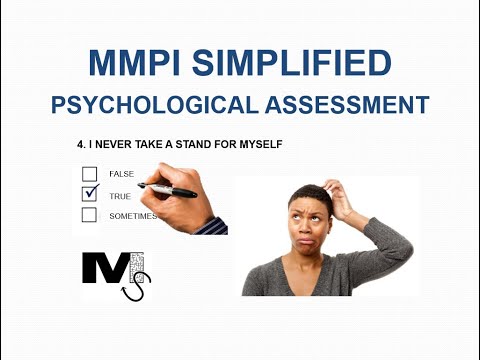
When you take the MMPI, you’re gonna answer a series of true-or-false questions. These questions help to assess various personality traits and psychopathology. It covers areas like mood, social functioning, and even your relationships with others. The results can tell you quite a bit about yourself or someone else’s personality.
How does it work? The test analyzes responses and compares them to predefined “norms” based on diverse populations. So basically, if you answer a question about feeling sad often, they can see how that fits into broader trends among other people who took the test.
Now let’s get to some key points on what this tool measures:
- Validity Scales: These assess whether you were honest while taking the test or if something might’ve skewed your answers.
- Clinical Scales: There are several scales measuring different mental disorders or conditions like anxiety and depression.
- Content Scales: They dive deeper into specific areas like family problems or work-related stress.
So when we talk about evaluating personality traits with MMPI, it’s not just about getting a label slapped on you. It’s more like having an underlying blueprint of how your mind works.
Let’s say someone scores high on the depression scale—that could indicate they struggle more with feelings of sadness compared to others. But here’s where it gets interesting: these results aren’t set in stone! They provide insights but don’t define who you are as a person.
You might wonder why anyone would want to use this tool beyond clinical settings. Well, sometimes people are just curious! They want to understand what makes them tick better or how they can improve their relationships.
A neat little detail? Students in psychology often use the MMPI as part of their training programs or research projects because it’s so rich in data and findings!
In short, the MMPI offers an extensive look at personalities through structured evaluations aimed at identifying patterns in thoughts and behaviors. This tool hasn’t just stood the test of time; it’s continued to adapt and grow with new research.
So if you’re keen on exploring psychology deeper—whether for personal reasons or out of sheer curiosity—checking into how tools like the MMPI work can be pretty enlightening!
Assessing Personality Traits Online: A Comprehensive Guide to Using the MMPI Tool
The Minnesota Multiphasic Personality Inventory, or MMPI, is like a window into your personality. Seriously, this tool helps in assessing various traits by examining your thoughts, feelings, and behaviors. The beauty of the MMPI is that it’s based on a ton of research and has been around for decades. So, it’s got some solid backing.
When you take the MMPI online, you usually answer a series of True or False statements. These questions tap into different areas of your personality and mental health. It’s kind of like taking a quiz, but way more serious.
Now let’s break down its structure:
- Validity Scales: These help determine if you answered honestly or might be trying to present yourself in an overly positive or negative light.
- Clinical Scales: There are over ten of these scales! They measure things like depression, anxiety, paranoia—basically the stuff that affects your mental state.
- Content Scales: These dig deeper into specific areas like your social functioning and specific emotional experiences.
So why would you want to do this? Well, knowing your personality traits can give you insights into how you deal with stress or relationships. For example, if the scale shows high levels of anxiety or depression, it might help you understand why certain situations feel overwhelming.
But here’s something crucial: while the MMPI is pretty comprehensive, it’s not just about getting scores; it’s about interpreting them correctly. You could be a high scorer on the depression scale yet still function well in daily life—it all depends on context.
And here’s where things can get tricky. Online assessments sometimes lack the expert touch when interpreting results. It’s easy to misunderstand what those numbers mean without proper guidance. So make sure to take findings with a grain of salt!
Imagine this: you’re scrolling through social media and see posts from friends sharing their results from fun quizzes about their “inner animal” or “best vacation spot.” The MMPI? Not quite in the same light! It delves deep into emotional patterns rather than just surface-level traits.
In short, using the MMPI online can provide valuable clarity about yourself—if you approach it thoughtfully. Just remember to consider the results as part of a bigger picture rather than definitive labels defining who you are!
Free Guide to Evaluating Personality Traits Using the MMPI Tool
The MMPI, or Minnesota Multiphasic Personality Inventory, is a pretty interesting tool that many psychologists use to evaluate personality traits. It’s more than just a fun quiz you find online. Seriously! It can give insight into mental health and personality characteristics.
So, what’s the point of the MMPI? Well, it’s designed to help identify various psychological conditions and personality attributes. People usually take it when they’re seeking therapy or going through assessments for jobs that require understanding human behavior.
How does it work? The MMPI consists of a bunch of true-or-false statements—over 500 in fact! You read each statement and decide honestly if it applies to you or not. Based on your responses, psychologists can figure out patterns in your thoughts, emotions, and behavior.
Key components of the MMPI include:
- Validity Scales: These help gauge how accurate your answers are. They check if you’re being honest or if maybe you’re trying too hard to look good.
- Clinical Scales: These scales assess different psychological conditions, like depression or anxiety.
- Content Scales: They dive deeper into specific areas of concern, like anger or family relationships.
Now let’s think about how this works in real life. Imagine you’re taking the MMPI because you’re feeling super anxious all the time but aren’t sure why. After answering those statements honestly, and once a psychologist reviews them, they might notice some patterns pointing towards anxiety disorders or even situational stressors in your life.
But here’s something cool: the MMPI isn’t just about disorders. It’s also used for understanding strengths! Let’s say someone scores high on traits like sociability—they might be naturally outgoing and good at making friends! This can be great for careers in social work or sales.
Anecdote time! A buddy of mine took the MMPI when he was struggling with stress at work. He found out he had really low scores on emotional stability which explained why he felt overwhelmed by little challenges every day. With this new understanding, he started working on coping strategies that helped him tackle things better!
In summary, using the MMPI can provide valuable insights into personality traits and even reveal underlying issues you may not realize are impacting your life. It’s like holding up a mirror to see not just what’s happening outside but also what’s happening inside—pretty fascinating stuff!
So, let’s chat about this thing called the MMPI, or the Minnesota Multiphasic Personality Inventory. It’s a big name for a tool that helps people get a better grip on their personality traits. You know, like those quizzes you see online that tell you what type of potato you are or which Disney princess matches your vibe? Yeah, it’s sort of like that but way more serious and scientific.
When I first heard about the MMPI, I thought it was just another test to figure out if I was introverted or extroverted. But it turns out, it dives way deeper than that! This tool has been around since the late 1930s, and it was designed to help identify different psychological conditions as well as personality traits. Can you believe it’s still used today?
Here’s how it usually works: you answer a bunch of statements and rate how true they are for you. There are hundreds of questions—like “I often feel sad” or “I have trouble concentrating.” The results can reveal patterns in your thoughts and behaviors, giving insights into your personality.
I remember hearing a story about someone who took the MMPI because they were struggling with anxiety. At first, they were skeptical—like, “How can a test tell me anything new?” But when the results came back, they were surprised to see how certain traits linked back to their anxiety triggers. It opened up a new perspective for them! They realized there were coping strategies that could help based on their unique personality blueprint.
It’s easy to think of personality traits as fixed things like eye color or height; but really, they’re more like shades of color in an artist’s palette. The MMPI helps you see those colors clearly and understand how they mix together to form the masterpiece that is *you*. What’s cool is that even though we might get categorized into different types or labels based on it, it doesn’t lock us into any box forever.
Sure, there are critiques about the MMPI too—it can be lengthy and tiring! Some folks might feel overwhelmed by so many questions. And let’s face it: some people might even answer randomly just to get through it quicker. That definitely affects the accuracy!
Still, overall, evaluating personality traits with tools like the MMPI can be pretty enlightening if approached with an open mind. After all, understanding ourselves—flaws and all—is a journey worth taking. Plus, who wouldn’t want to better navigate their quirks in life? So next time you’re curious about what makes you tick—or maybe even frustrated by your patterns—thinking about tools like this could give some fresh insight!