You know when life throws you a curveball and you’re just trying to figure things out? Yeah, we’ve all been there.
Sometimes, it feels like you need a little extra insight into what’s going on in your head. That’s where something called the MMPI comes in.
It’s like a personality test, but way cooler. Think of it as a tool that helps folks understand themselves better—or even figure out what might be bothering them.
Curious? You should be! This stuff can be pretty eye-opening. Let’s dig into what makes the MMPI such a big deal in psychology.
Understanding the MMPI: A Comprehensive Guide to Its Role in Psychological Assessment
The MMPI, or Minnesota Multiphasic Personality Inventory, is like a giant lens into your mind. Seriously! People use it to understand a lot about personality and mental health. So, what’s the deal with the MMPI?
What is the MMPI?
This tool was created in the late 1930s and has evolved over time. It’s basically a questionnaire that helps psychologists figure out different personality traits and potential psychological issues. So, when you hear someone talk about the MMPI, just think of it as a way to get a snapshot of someone’s psychological makeup.
How does it work?
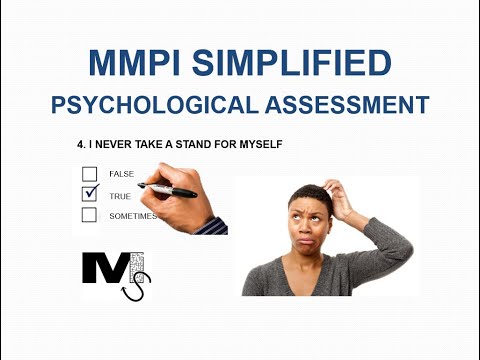
When you take the MMPI, you’re answering a ton of true-or-false questions. It can be overwhelming because there are like 567 statements! But don’t worry; these questions cover everything from how you feel about yourself to how you interact with others. The answers get scored, and professionals interpret those scores to understand patterns in your behavior.
Why is it used?
There are several reasons why psychologists love this tool:
- Diagnosis: The MMPI helps identify mental health disorders.
- Treatment planning: Knowing your personality can guide therapists on how to help.
- Research: It’s used in studies that explore human behavior.
- Career assessments: Some workplaces may use it to find out if someone fits into their company culture.
For instance, if someone scores high on anxiety-related scales, the psychologist might recommend techniques specifically targeting those feelings.
Cultural considerations:
It’s essential to note that the MMPI was developed in a specific cultural context (mainly Western). Sometimes people from different backgrounds may answer questions differently based on their experiences and beliefs. So, experts take this into account when interpreting results.
Anecdote alert!
A friend of mine took the MMPI as part of a routine assessment for therapy. At first, they found all those questions super annoying—like who wants to sit and answer 567 statements? But once they got through it, they realized it shed light on areas they needed to work on. It felt like finally getting the clutter off their mind!
Minnesota Multiphasic Personality Inventory-2:
The original version got an update; enter MMPI-2! This version has modernized some questions and kept up with evolving psychology standards. This means more accurate results since times change and so do people’s experiences.
In short, understanding the MMPI gives you insight into not just yourself but also how professionals assess psychological well-being. It’s like having a map that shows where you’ve been and hints at where you might want to go next in your mental health journey!
So there you have it—the lowdown on MMPI! It’s not just an acronym; it’s actually an essential tool that helps people gain insights into themselves or others around them. Pretty cool stuff if you ask me!
Understanding MMPI Test Questions: Key Insights and Implications for Assessment
The MMPI, or Minnesota Multiphasic Personality Inventory, is a widely used tool that helps in understanding personality traits and mental health conditions. Basically, it’s like a questionnaire that digs deep into how you think and feel. It’s been around since the late 1930s, and it’s still a go-to for clinicians because of its thoroughness.
When you take the MMPI, you’ll encounter a bunch of questions—over 500, actually! These are designed to assess various psychological issues, personality traits, and even social attitudes. The format is pretty straightforward: you respond «True» or «False» to statements about yourself. For example, one question might be something like: “I like to help people. It’s simple yet insightful.
Now, the reason for all these questions? They’re not just random—they’re structured around different scales that focus on specific psychological conditions. Some important scales include:
- Validity Scales: These determine whether you answered honestly. If someone tries to fake being well or unwell, these scales can catch that.
- Clinical Scales: There are 10 main clinical scales that assess various mental health issues like depression or anxiety.
- Content Scales: These look at specific areas of concern in your life and experiences.
What’s super interesting is how the results are interpreted. Each score relates back to the population average. So if you score higher on something like depression compared to typical scores from others your age or gender, it might wave a little flag for further exploration.
Also, the context matters. Like, if you’re going through a tough time in life—maybe dealing with stress from work—your answers may reflect that temporary phase rather than your long-term self.
Here’s where it gets real: imagine two people take the MMPI during very different times in their lives. One person might be chill and happy when they take it; meanwhile, another might be really stressed because of personal issues. Their answers could tell vastly different stories—even if they share similar underlying personalities when they’re at their best!
You should also remember that while the MMPI provides key insights into someone’s psyche, it’s not definitive or alone enough for diagnosis. It’s just one piece of the puzzle! Psychologists use it along with interviews and other assessments to get a fuller picture.
In summary, understanding MMPI test questions gives us valuable insight into human behavior and mental processes. It allows psychologists to approach assessments thoughtfully—acknowledging nuances in people’s thoughts and feelings while also recognizing situational factors influencing their responses. So next time you hear about this test, remember: it’s way more than just answering “True or “False.
Current Relevance of the MMPI Test: Analyzing Its Continued Use in Psychological Assessments
The MMPI test, or the Minnesota Multiphasic Personality Inventory, has been hanging around for a long time. Developed back in the late 1930s, it’s still one of the most popular tools for psychological assessments. So you might be asking yourself: why does it still matter today?
First off, it’s all about reliability. The MMPI has undergone tons of research and revisions over the years, making it super reliable in measuring different psychological conditions. You know how some tests can feel a bit wishy-washy? Well, the MMPI is not one of those; it gives pretty consistent results across different populations.
Another reason it’s still relevant is its comprehensive nature. The test consists of over 500 items! Sounds daunting? Maybe. But each question aims to uncover various dimensions of your personality and mental health. It covers everything from anxiety and depression to more intricate issues like paranoia or psychopathy. This wide-ranging approach means that clinicians get a really good insight into someone’s psyche.
There’s also the fact that it helps avoid biases. With standardized questions scored against established norms, practitioners can minimize subjective interpretations. So if two therapists are interpreting your results, they’re likely to come to similar conclusions, which is reassuring when dealing with sensitive mental health issues.
However, things aren’t perfect—the MMPI isn’t without its critics. Some people argue that it can feel outdated or too lengthy for modern-day assessments where quick solutions are often preferred. Plus, cultural differences can sometimes skew results because not everyone interprets statements in the same way.
Still, there’s no denying its importance in clinical settings. Mental health professionals use it not just for diagnosing disorders but also for treatment planning and understanding clients better. Imagine walking into a therapy session feeling kind of lost; having a tool like the MMPI can help both you and your therapist navigate through those complex feelings together.
In many ways, completing an MMPI feels like peeling layers off an onion—there’s always something new to discover beneath the surface. And while newer tests keep popping up (hello personality quizzes on social media!), they often lack the depth and rigor that this classic brings to the table.
So yeah, whether you’re diving deep into personal challenges or just wanting to gain more insight about yourself for self-improvement purposes, don’t underestimate what a well-established tool like the MMPI can offer!
The MMPI, or Minnesota Multiphasic Personality Inventory, is one of those tools that often gets tossed around in conversations about psychological assessments. It’s a big deal in the world of psychology, sort of like having your go-to playlist for when you’re feeling a bit off. You know how music can bring out emotions or memories? Well, the MMPI does something similar for mental health.
When you take the MMPI, basically you’re answering a ton of true-or-false questions about yourself. The idea is to get into your head and find out what makes you tick. It’s like peeling back layers of an onion—or maybe more like unwrapping a present, really! Each response gives psychologists insights into your personality traits and emotional functioning.
I remember when my friend took the MMPI as part of a assessment for graduate school. She was super nervous but also kinda curious about what it would reveal. Afterward, she found out some things about herself that were eye-opening! Like how she handled stress and her communication style; these insights really helped her during tough times later on.
You might wonder: why does this matter? Well, knowing yourself better can help you navigate life’s ups and downs more effectively. Whether it’s improving relationships or tackling career challenges, self-awareness is key. The MMPI can be especially helpful in identifying patterns that you might not even realize exist.
Sure, there are critics who say it has limitations—maybe it’s not everyone’s cup of tea—but no tool is perfect. At the end of the day, it provides a structured way to understand ourselves better. So if you’re ever in a situation where someone mentions the MMPI, just remember it’s all about digging deeper into who you are and how you relate to the world around you!