So, you know those moments when you just want to figure yourself out a bit more? Like, why do you react a certain way in some situations? Well, that’s where personality assessments come in.
One of the big players in this game is the MMPI. It’s this super detailed questionnaire that digs into your psyche. Seriously, it’s like holding up a mirror to your inner self.
Maybe you’ve heard of it or even taken it before. But it’s not just about checking boxes; it’s about digging deep into who you are. It’s all about getting insights that can help you understand yourself better—your strengths, weaknesses, and everything in between.
So let’s jump into what makes the MMPI tick!
Understanding the Uses of the MMPI in Psychological Assessment and Diagnosis
The Minnesota Multiphasic Personality Inventory, or MMPI, is a widely used psychological assessment tool. It’s kind of like a really detailed personality quiz but way more scientific. Developed back in the late 1930s, it helps professionals understand a person’s mental health and personality traits by comparing their responses to the responses of established groups.
So, let’s break down why this tool is important and how it’s used:
- Diagnostic Purposes: The MMPI helps clinicians diagnose mental health conditions. When you take the test, you’re answering various statements about yourself—like, “I feel like I am being followed.” Based on your answers, clinicians can pinpoint issues such as depression or anxiety.
- Clinical Assessments: In therapy settings, the MMPI can guide therapists in understanding their clients better. It’s not just about feeling sad or anxious; it dives deeper into layers of personality that reveal coping mechanisms and behavioral tendencies. Think about how someone might respond to stress – that can show up on the MMPI.
- Baseline Measurements: Sometimes, it’s used as a starting point for treatment. After someone takes the MMPI at baseline, therapists can measure changes over time. If you see improvement after therapy sessions, you know things are working out.
- Forensic Evaluations: The MMPI even pops up in court settings! Lawyers may request assessments when someone’s mental state is relevant to a legal case. It helps determine things like competency or if someone’s state of mind affected their behavior during an incident.
- Cultural Sensitivity: A neat thing about the MMPI is that it has been validated across various populations. This means it tries to reflect diverse backgrounds and experiences accurately so that no one feels left out when taking the test.
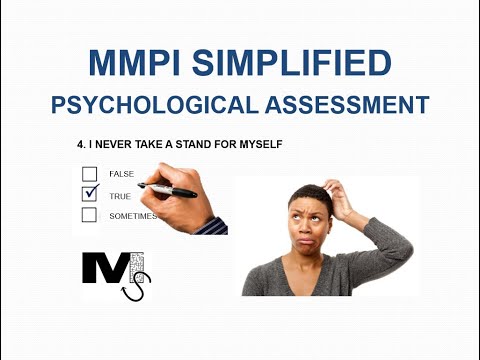
Now here’s where it gets interesting: taking the MMPI involves answering true/false questions that seem pretty straightforward at first but actually require some thought. Imagine sitting down with a cup of coffee and reading questions like “I often feel lonely” or “I enjoy being around other people.” Each response unravels a bit more about how you see yourself and interact with others.
It also has built-in scales designed to catch inconsistencies in answers—like if someone says they never feel sad but also claims they’re always hopeless. This is where the test showcases its strength: spotting patterns that might indicate something deeper going on.
Overall, those are just some key points on how useful the MMPI can be for understanding human behavior better! It paints a complex picture of our personalities—you know? It’s not just yes or no; there’s nuance involved! So while it may seem simple at first glance, there’s so much more beneath those surface-level responses!
Understanding the MMPI: Its Role and Relevance in Modern Psychology
The MMPI, or the Minnesota Multiphasic Personality Inventory, is one of those psychological tools that feels like it’s been around forever. It’s a personality assessment used to help understand people’s mental health and personality traits. Created in the late 1930s, it has evolved over the years and still holds a crucial place in modern psychology.
Why is the MMPI relevant? Well, it’s got some serious credibility. It’s widely used by psychologists for diagnostic purposes, mainly because it helps in identifying various psychological conditions. It can reveal issues like anxiety disorders, depression, personality disorders, and even more complex conditions like schizophrenia.
Now, talking about the structure of the MMPI—it consists of over 500 statements. You read ‘em and then answer «true» or «false.» This way of answering makes it pretty straightforward for anyone taking it. So why this method? The dichotomous choice makes scoring easier and keeps responses honest—or at least tries to!
What are its components? The MMPI is not just one big chunk; it has different scales that assess various aspects of personality and psychopathology. Some key areas include:
- Validity Scales: These check if you’re being honest in your answers.
- Clinical Scales: These measure specific psychological issues.
- Content Scales: These provide detailed insights into areas like anger, anxiety, or self-esteem.
A huge part of its relevance today comes from how well it’s standardized. Researchers gathered data from diverse populations to create norms that help compare results across different groups. Basically, they made sure it’s not biased!
For instance, imagine taking the test and getting really high scores on certain scales. It might highlight tendencies toward depression or anxiety which could lead to further evaluation or counseling.
You might wonder if it’s all just about labels and boxes. But that’s not entirely true! The MMPI can guide treatment options too. If someone scores high on a scale related to paranoia—psychologists can tailor therapeutic approaches accordingly.
In modern psychology, using assessments like the MMPI goes beyond diagnosis; they’re part of comprehensive evaluations that include interviews and observations too. It’s about painting a fuller picture of someone’s mental health rather than relying solely on one tool.
So if you think about all these aspects—the structure, validity scales, clinical insights—it’s clear why the MMPI sticks around as a go-to assessment tool for many professionals today!
Understanding the MMPI: A Simplified Guide to the Minnesota Multiphasic Personality Inventory
The Minnesota Multiphasic Personality Inventory, or MMPI for short, is one of the most widely used psychological assessments out there. It’s like a deep dive into your personality and emotional well-being. You might be wondering why it’s such a big deal. Well, this assessment helps psychologists understand various mental health conditions and personality structures.
So, what does it do? Basically, the MMPI consists of a bunch of true-or-false questions that cover multiple areas of personality and psychopathology. You answer questions like “I often feel lonely” or “I enjoy being around people.” Depending on your responses, you get scores on different scales that reveal insights about your mental state.
Now let’s break down some key points:
- Scale structure: The MMPI has several scales designed to assess different aspects of mental health. Some are specific to certain disorders while others look at broader personality traits.
- Validity scales: These are super important! They help determine if someone is answering honestly or trying to present themselves in a certain way. For example, if someone answers too many questions in an overly positive light, the results might be skewed.
- Clinical scales: These measure specific psychological conditions like depression, anxiety, and schizophrenia among others. Each scale has its own set of criteria that helps paint a clearer picture of a person’s mental health.
Imagine you’re going through something tough—maybe stress from work or relationship issues. Taking an MMPI can help uncover hidden feelings or issues that might be affecting you more than you realize. A psychologist can use those results to better understand what’s happening underneath the surface.
But it’s not just about diagnosing problems! The MMPI also looks at strengths and coping styles. Knowing how you usually react to stress can be as valuable as understanding any difficulties you face.
Also, keep in mind that context matters when interpreting the results! A person’s life experiences can influence how they respond to the test questions. So you have to consider factors like culture, gender, and even current life situations when looking at the findings.
After all this info bombarding you, it’s important to remember that while the MMPI is a powerful tool for insights into personality and mental health, it’s just one piece of the puzzle. It works best when combined with clinical interviews and other assessments for a fuller picture of someone’s emotional well-being.
In summary, the MMPI provides valuable insights into personality traits and psychological conditions through structured questioning. It helps professionals identify problems but also recognize strengths—making it useful in therapy settings or even just for personal reflection on how you’re doing emotionally!
Alright, so let’s chat about the MMPI, or the Minnesota Multiphasic Personality Inventory. This assessment is like a deep dive into your personality and mental state. It’s been around for decades, and honestly, it’s one of the most researched psychological tools ever. But what makes it so special?
To put it simply, the MMPI is all about getting a snapshot of your personality traits and potential issues. Picture yourself sitting down to answer over 500 true-or-false questions. Sounds like a marathon, right? But each question digs into different aspects of who you are—your emotions, behaviors, thoughts—you name it.
Here’s where it gets interesting: despite its length and sometimes tiring nature, we find that people often feel a bit liberated when they take this kind of test. I remember a friend who was going through a tough time at work. She felt lost and unsure of herself. After taking the MMPI, she discovered some patterns in her thinking that were holding her back. It wasn’t just about labeling herself; it was like she finally had language for her feelings. That’s pretty powerful!
The cool thing about the MMPI is that it’s not just for diagnosing mental health issues but also helps in understanding how someone generally copes with life or interacts with others. So you get insight into your strengths too! Kind of like having a mirror that reflects back not just cracks but also your brightest colors.
Of course, there can be some quirks with MMPI results due to how people approach those questions—some might see them as silly or might not take them seriously at all. Or maybe they want to present themselves in a certain light and answer accordingly; that’s human nature! And then there’s the issue of cultural differences influencing responses—something that’s super important to consider when interpreting results.
So yeah, while no tool is perfect (and let’s face it—we’re all more complex than any set of questions), the MMPI definitely offers some solid insights into personality. Whether you’re trying to understand yourself better or looking at dynamics within teams at work or even in therapy settings, it’s definitely got its place in the conversation about mental health and self-awareness.
In the end, this personality assessment isn’t just about ticking boxes on a sheet; it’s like starting conversations with yourself that can lead to meaningful change. Just remember—a test doesn’t define you; it merely points out things for you to think about!