You know those moments when everything feels chaotic? Like, your mind’s racing, and you just want to escape? Well, imagine stepping into a serene space where that noise fades away. Sounds nice, right?
Monk meditation is a whole vibe. Seriously, it’s not just about sitting cross-legged and chanting. It’s got some deep psychological roots that can chill you out in ways you wouldn’t expect.
What if I told you this practice goes way beyond relaxation? It’s like tapping into a hidden part of your brain that helps you feel grounded.
So, let’s explore this fascinating world of mindful tranquility. You might pick up a few tricks to find your own peace along the way!
Exploring the Tranquility of Buddhist Monks: Insights into Their Calmness and Mindfulness Practices
It’s pretty interesting, right? When you think about Buddhist monks, the first thing that often pops into your head is probably their calm demeanor. I mean, these folks seem to have conquered stress like no one else, but how do they do it? Let’s dig into how their way of life creates such a sense of tranquility and what we can learn from it.
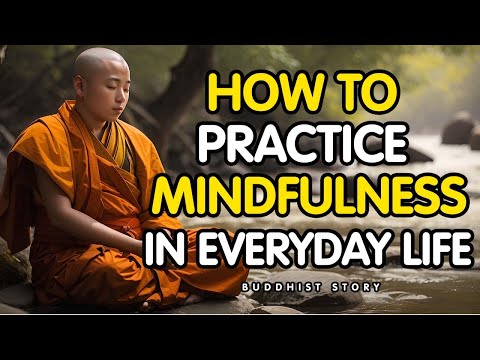
Mindfulness Practices: At the core of a monk’s routine is mindfulness meditation. This isn’t just about sitting still; it’s about being fully present. You know that moment when you sip your coffee and actually taste it? Monks take that idea and stretch it over everything they do. They focus on their breath or the sights and sounds around them, helping to quiet the mind.
Monks often spend years honing this skill. Imagine waking up every day with hours dedicated solely to meditation! It might sound intense, but for them, it’s about training the mind to let go of unnecessary thoughts. Instead of letting worries consume them, they learn to observe those thoughts without judgment.
The Power of Simplicity: Another key component is simplicity in life. Monks often embrace minimalism—fewer possessions mean less clutter in both their physical space and in their minds. They don’t get caught up in daily distractions like social media or excessive shopping. By reducing outside noise, they create an environment where tranquility can flourish.
Think about it this way: if your room is messy, it’s hard to focus on anything else. For monks, a clean space equals a clean mind.
Community Support: Monastic life typically includes living with others who share the same goals. This sense of community fosters support and encourages consistent practice. It’s easier to maintain calmness when everyone around you is focused on the same ideals.
Imagine if your friends were all meditating together every morning! That shared commitment can strengthen resolve and build deeper connections based on mutual understanding and respect.
The Role of Compassion: Monks also engage in practices centered around compassion—not just for others but for themselves too. By cultivating empathy and kindness, they reduce negative emotions like anger or envy that often lead to anxiety.
Ever noticed how volunteering makes you feel good? That’s kind of the vibe here; showing compassion creates a positive feedback loop that enhances emotional well-being.
In conclusion—well, not really “conclusion,” because we’re all still learning here—what matters is that **Buddhist monks provide valuable insights into achieving a sense of calm amidst chaos**. Their methods encourage us all to explore our own mindfulness practices while keeping life simple and connecting with others meaningfully.
So next time you’re feeling overwhelmed, maybe channel a bit of monk energy! Take a deep breath and focus—who knows what kind of calm you might find?
Discover Effective Buddhist Monk Meditation Techniques for Mindfulness and Inner Peace
Meditation has been around for ages, and if you’ve ever thought about how Buddhist monks seem to radiate calm and peace, it’s because of their deep practice. Basically, they use a range of techniques that are all about being present and finding inner tranquility. I bet you’re wondering what goes on behind those closed eyes!
First off, there’s **breath awareness**. This is super fundamental in monk meditation. You just focus on your breath—the way it flows in and out of your body. You can sit comfortably with your back straight, close your eyes, and take a few deep breaths. As thoughts pop up (and they will), just gently guide your attention back to your breathing. This helps ground you in the moment and quiets the mind.
Another popular technique is called **loving-kindness meditation**, or *Metta*. It’s all about spreading goodwill towards yourself and others. You start by repeating phrases like “May I be happy, may I be healthy.” After you feel comfortable with that, you extend those feelings to loved ones, acquaintances, and even people you find challenging! It’s like sending out a warm hug vibe into the universe.
Then there’s **mindful walking**. Yeah, it sounds simple but it’s really effective! In this practice, instead of just sitting still, monks walk slowly and intentionally. Every step is deliberate—you notice how your foot lifts off the ground, moves through the air, and makes contact again. It totally changes how you experience walking!
Next up is **body scan meditation**. Here’s where you pay attention to different parts of your body one at a time—from your toes to the top of your head—relaxing each area as you go along. This can reveal tensions or areas where stress hangs out without even realizing it!
Why does all this matter? Well, these techniques aren’t just for monks; anyone can benefit from them! They help improve focus and reduce stress while promoting emotional health.
It might feel weird at first—it did for me! But think of it as training a muscle: the more you practice mindfulness techniques like these, the stronger your ability to stay focused becomes.
So basically what you’re getting is an invitation to slow down in our crazy fast-paced world—even if it’s just for a few moments each day. Getting familiar with these practices can lead to some seriously rewarding results in terms of peace of mind.
In moving forward with meditation techniques inspired by Buddhist traditions also keep in mind that consistency is key! Even short sessions can yield big benefits over time; it’s not about perfection but rather persistence!
Exploring the Differences Between Monk Brain and Normal Brain: Insights into Neuroplasticity and Meditation
Exploring the differences between a monk brain and a normal brain is pretty fascinating stuff. So, let’s get into it. Meditation, especially the kind practiced by monks, does some wild things to our brains, and it all boils down to neuroplasticity—basically the brain’s ability to change and adapt.
When you think about a monk’s brain, you’re usually picturing someone who seems chill and focused. That’s not just for show; their brains undergo real changes due to years of meditation practice. These changes can impact everything from emotional regulation to cognitive abilities.
Neuroplasticity is the star of this show! It’s your brain’s way of rewiring itself based on experiences, learning, and yes, meditation too. Now picture this: when monks meditate regularly, areas related to attention and self-awareness start getting more active. It’s like they’ve got VIP access to specific parts of their minds that most people don’t tap into as easily.
- Gray Matter Growth: Studies have shown that long-term meditators have increased gray matter in areas linked with memory and emotional regulation.
- Decreased Amygdala Activity: The amygdala is like your brain’s alarm system for stress. Meditation can help dial down its activity, leading to less anxiety.
- Improved Focus: Regular practitioners show enhanced attention spans which can be great in our distraction-heavy world.
Now let’s break down these differences a bit more.
Monks tend to have thicker prefrontal cortices compared to those who don’t meditate much. This part of the brain helps with things like decision-making and self-control—kind of important if you want a peaceful life! In contrast, people who don’t do much mindfulness may find themselves reacting more impulsively or feeling overwhelmed by emotions.
Think about it: Have you ever been super stressed and found it hard to think straight? Imagine that feeling but having tools in place through meditation that make it easier to step back and deal with those thoughts without losing your cool.
Another interesting thing is how meditation helps with empathy. Research shows that monks often exhibit higher levels of compassion towards others because they practice loving-kindness meditation—a technique where you’re intentionally sending good vibes toward others (even just thinking about them).
What really blows my mind? The fact that even short-term meditative practices can spark positive changes! You don’t need to live in a monastery for years; even starting small can plant seeds for neuroplasticity in anyone’s brain.
So yeah, exploring the differences between monk brains and normal ones gives us some serious insights into how much we can shape our own mental landscapes through consistent practice. Whether you’re looking for calm or better focus, it’s encouraging knowing that with effort over time, you might just rewire your own mind too!
You know, there’s something really captivating about the calmness of monks. I mean, have you ever seen a monk sitting there, totally at peace? It’s like they’ve got this secret sauce for tranquility that we all crave but often struggle to find. That’s where meditation kicks in, especially the sort practiced by monks.
So, what’s going on in their minds when they meditate? It’s pretty fascinating. When monks meditate, they dive into this world of mindfulness. They focus on their breath or maybe repeat a mantra. This isn’t just about zoning out; it’s about tuning in—really tuning into the present moment. It helps them to quiet the noise of thoughts racing through their heads, you know? Imagine how good that must feel!
One time, I tried meditating after hearing about its benefits from a friend who swore by it. I sat cross-legged on my bedroom floor, and honestly? My mind was like a hyperactive puppy! Thoughts were bouncing everywhere—what’s for dinner? Did I reply to that email? You name it. But what struck me was how strange yet refreshing it felt to just observe those thoughts instead of getting caught up in them.
Now, let’s talk about the psychology behind mindful tranquility. When you practice meditation regularly, your brain starts changing in cool ways. Studies show that mindfulness can reduce stress and anxiety by literally reshaping connections in your brain! It boosts your grey matter in areas related to self-awareness and emotional regulation while reducing activity in the amygdala—the part that goes bonkers during stress.
And here’s something neat: monks often have this deep sense of compassion and connection with others. Their meditation isn’t just a solo gig; it’s like training for empathy too! When they sit quietly and focus inwardly, they’re not just calming themselves but also cultivating love and kindness towards others.
This is where mindful tranquility becomes contagious! You could be sitting quietly on your own or with friends practicing meditation, but eventually, it spreads outwards. A peaceful mind often results in more patience and understanding towards others—imagine how different our interactions could be if we all had just a pinch of that monk-like serenity!
So yeah, if you’ve ever thought about trying meditation—maybe even with a little sprinkle of monk wisdom—why not give it a shot? Who knows what kind of calmness might come from sitting quietly with your thoughts for even just a few minutes each day? At worst, you’ll have some quiet time; at best? Well…it could change everything!