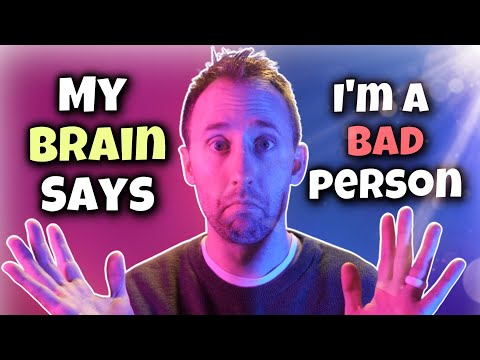
You know that feeling when you just can’t shake off a nagging thought? Like, seriously, it keeps you awake at night and makes you question everything?
Well, that’s kind of what Moral OCD is all about. It’s like your brain’s in overdrive, constantly wrestling with ethical dilemmas.
Imagine standing in the grocery aisle, and suddenly you wonder if choosing that brand of coffee is harming the planet… or if skipping the gym means you’re letting yourself down. Isn’t it exhausting?
For some folks, these thoughts can feel so heavy, almost like a weight on their chest. It’s not just occasional second-guessing; it can be a daily struggle.
So, let’s chat about this weird mix of worry and ethics. There’s so much to unpack!
Understanding the Impact of Moral OCD on Everyday Life: Challenges and Coping Strategies
So, let’s talk about something that can really mess with your head: **Moral OCD**. This isn’t just about being a little too tidy or checking if you locked the door. It’s all about feeling this nagging anxiety over ethical dilemmas in your daily life. Imagine constantly worrying if you’re making the right choices or if something you did could be hurting someone else. Yeah, it can be pretty intense.
People with Moral OCD often find themselves trapped in a cycle of thoughts that just won’t quit. You might catch yourself second-guessing every decision, no matter how small. Like, seriously, did I ignore that person when I walked past them? What if they needed help? This kind of obsessive thinking can lead to a lot of distress and confusion.
Challenges of Moral OCD
Living with Moral OCD isn’t just a walk in the park. Here are some challenges people might face:
Now, picture this: If your mind is racing about whether or not to volunteer at a shelter because you’re worried about taking time away from family obligations, it can create conflict within yourself. You want to help others but also feel torn inside.
Coping Strategies
But hey, it’s not all doom and gloom! There are ways to cope with Moral OCD that can make life feel more manageable:
It’s like when you’re stuck trying to decide between going out with friends or studying for an exam—both are important! Instead of spiraling into guilt over which one you’re neglecting, try balancing them out instead.
Everyone’s journey with Moral OCD is unique; some folks may find relief through community support while others lean on professional help. No matter how you tackle it, knowing you’re not alone in this struggle is huge! Just remember: understanding why these feelings pop up is half the battle against them.
So yeah, while **Moral OCD** can be tough and messy at times, there are definitely ways forward where you don’t have to feel paralyzed by every little choice you make!
Understanding Moral Scrupulosity OCD: A Comprehensive Test and Insights
Moral scrupulosity OCD is a type of obsessive-compulsive disorder where you feel distress over ethical or moral dilemmas in everyday life. It’s like being stuck in a loop of “am I doing the right thing?” and “what if I’m not?” So, let’s break it down together.
First off, people with this form of OCD often wrestle with intrusive thoughts that question their morality. These thoughts can be super distressing. For instance, you might find yourself constantly worrying about whether your actions are ethical, even if they seem perfectly normal to others. This worry can take over your mind, making it hard to focus on anything else.
Now, when it comes to specific examples, let’s say you accidentally cut someone off in traffic. Instead of just feeling bad for a moment and moving on, someone with moral scrupulosity might replay that moment over and over. They could think about how it made the other driver feel or worry that they’re becoming a reckless person. That’s the thing! The guilt doesn’t just go away.
Another key aspect is *compulsions*. These aren’t always physical actions; sometimes they’re mental checks and balances. You might find yourself analyzing past decisions to reassure yourself you’re a good person or seeking forgiveness excessively from others—or even from yourself!
So, what are some common signs? Here are a few:
- Excessive self-doubt: Always questioning your character.
- Seeking constant reassurance: Asking friends or family if your behavior was okay.
- Avoidance: Steering clear of situations where moral dilemmas might arise—like volunteering to avoid the risk of doing something wrong.
You see how exhausting this can get? It doesn’t just affect your mental health; it impacts relationships too. Friends or family might not understand why you keep bringing something up long after they’ve moved on from it.
That said, it’s important to realize that this isn’t about being genuinely immoral; it’s really more about the *fear* of being so. But here’s where things get tricky: because the feelings are so intense and real to the person experiencing them, finding relief can seem almost impossible.
The road to understanding moral scrupulosity often involves therapy focused on cognitive-behavioral techniques (CBT). CBT helps by challenging those negative thought patterns—like showing you how those feelings of guilt aren’t necessarily tied to your actions.
At times like this, talking with someone who gets it can help lighten that load! Just knowing you’re not alone in feeling overwhelmed by what’s considered «right» versus «wrong» brings some comfort too.
Moral scrupulosity OCD is more than just feeling guilty—it’s an ongoing battle with oneself about what our choices mean in a broader ethical context. Recognizing these patterns is essential for anyone dealing with such concerns because awareness is the first step toward finding balance again in life. Keep moving forward; you’ve got this!
Understanding Moral Scrupulosity OCD: Insights and Support from Reddit Communities
Moral scrupulosity OCD is a tricky area of obsessive-compulsive disorder that messes with how you think about right and wrong. If you’ve ever found yourself getting stressed over whether doing something small, like throwing away a plastic bottle, makes you a bad person, you’re not alone. Seriously, it can feel really overwhelming.
People in Reddit communities often share their experiences, and it’s pretty eye-opening. Many describe going through daily routines while battling these nagging thoughts about morality. The confusion between what feels ethical and what doesn’t leads to constant second-guessing. It’s like having a never-ending internal debate.
Here are some common themes people discuss:
- Distress over decisions: Many folks struggle with simple choices—like spending money or even how they interact with others—because they fear making the wrong moral choice.
- Fear of harm: There’s this intense worry about hurting others or being responsible for something terrible happening. It can lead to avoiding certain situations completely.
- Need for reassurance: A lot of people find themselves seeking validation from friends or even online forums to ease their anxiety. They might ask questions like “Is it okay if I…?”
Imagine being at a party and worrying about whether your laughter will offend someone because someone else is having a tough time. Sounds exhausting, right? That’s what many face every day.
Reddit communities help by creating spaces where people connect over shared experiences. It’s comforting to know that other people understand your struggles and can offer support when you feel isolated. But it’s not all rainbows; sometimes the advice can be conflicting!
Many users share strategies that have helped them cope:
- Cognitive Behavioral Techniques: Some find breathing exercises or grounding techniques helpful when spiraling into moral doubts.
- Limiting exposure: Others talk about setting boundaries on discussing ethical dilemmas that trigger their OCD.
- Journaling: Writing down thoughts helps some process their feelings without getting stuck in their heads.
If you’re in this boat, remember that feeling intense guilt or confusion doesn’t mean you’re failing; it means you’re grappling with moral questions that come naturally to us all but are magnified by OCD. The key is recognizing these patterns.
Navigating moral scrupulosity isn’t easy, but knowing there are others out there struggling like you makes the journey less lonely. Finding support—whether through Reddit or talking with friends—can provide comfort in those tough moments when your mind just won’t let go.
You know, it’s kind of wild how our minds work sometimes. Moral OCD is like being stuck in a constant loop over what’s right and what’s wrong. Imagine this: you’re just hanging out with friends, and someone says something that makes you question your values. Suddenly, you’re spiraling. Was that comment appropriate? Did I laugh too hard at a joke? What if someone was offended? This ruminating can take over your thoughts and make you feel super anxious.
I remember a time when I was trying to choose a lunch spot with some pals. Simple enough, right? But then I’d find myself obsessing over the ethical practices of whatever place we picked. Are they treating their workers fairly? Is the food sustainable? The debate seemed endless! Eventually, I sat there stressing so much that I missed out on enjoying time with my friends.
What seems interesting—and a little sad—is how this kind of thinking can really impact daily life. You might find yourself second-guessing decisions or avoiding situations altogether because you’re worried about making the wrong choice. It’s like this shadow looming over even the most mundane moments.
But here’s the thing: everyone has ethical dilemmas now and then; it’s part of being human! The struggle comes when those dilemmas turn into an obsession, making it hard to breathe without worrying about every little action. It takes away from living in the moment when you’re caught up in moral gymnastics.
The good news is—like many things—awareness is key. Just realizing that you’re going through this cycle can be a step toward finding some peace with those buzzing thoughts. Sometimes it’s just about taking a breath, reminding yourself that, hey, no one’s perfect! It can feel comforting to share these feelings with others too—you’d be surprised how many people resonate with that anxiety over doing what’s “right.»
So really, moral OCD highlights something deep within us about wanting to be good people and navigate life ethically. It’s tough but knowing you’re not alone in wrestling with these thoughts can ease some of that pressure! Life’s complicated enough without adding extra worry on top of it all, don’t ya think?