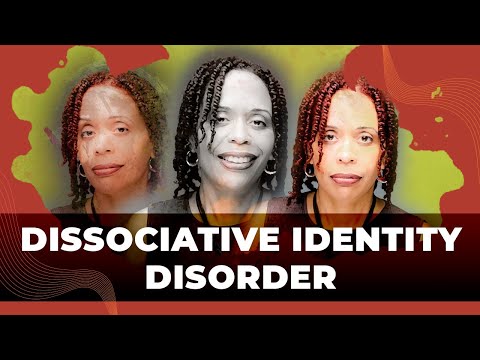
Alright, so let’s talk about something that sounds super wild but is actually really deep—Multiple Personality Disorder, or Dissociative Identity Disorder, if you wanna get technical.
Imagine living with different versions of yourself. Crazy, right? Each one has its own name, memories, and feelings. It’s like having a bunch of roommates in your own mind!
You might think, “How does that even happen?” Well, it all ties back to some serious stuff going on in a person’s life. It can be heavy and complex. But don’t worry; we’ll break it down together!
So grab a snack or whatever, and let’s peel back the layers of this intriguing condition. You’re gonna want to stick around for this!
Understanding Awareness in Multiple Personality Disorder: Do Individuals Recognize Their Condition?
Multiple Personality Disorder, more commonly known as Dissociative Identity Disorder (DID), is like a complex puzzle of the mind. The idea of having more than one personality living inside you can sound pretty wild, right? But let’s break it down and see what’s really going on with awareness in DID.
First off, awareness in DID is not exactly straightforward. It can vary significantly from person to person. Some individuals might be completely unaware of their other identities—those different parts of their personality—while others may have some level of awareness about them.
- Unawareness: Imagine going through life and suddenly having gaps in memory or experiences that you just can’t explain. For some individuals with DID, they might not even realize they have switching identities or that anything is amiss. This lack of awareness can stem from how dissociation works; it acts as a protective mechanism against trauma.
- Partial Awareness: Others might feel a sense that something isn’t right—they might notice changes in mood or behavior without fully grasping why it’s happening. Think about that feeling when you wake up and can’t remember how you got somewhere; it’s confusing!
- Full Awareness: There are also those who know they have DID and are aware of their different identities. They might even name them! This level of self-awareness often comes after therapy or personal exploration.
It’s essential to recognize that there’s no one-size-fits-all answer here. Each person’s experience with DID is unique, shaped by their past and how they cope with trauma. That means: some may fully engage with all parts, while others may feel estranged from them. This dynamic can create conflict within themselves while navigating daily life.
Anecdotal stories illustrate this well. A woman once shared how she’d find herself cooking dinner but couldn’t recall doing so; she’d only discover later an alter had taken over her body during that time! That confusion often leaves individuals feeling scared or anxious about who will show up next.
The connection between trauma and dissociative identity isn’t straightforward either. Trauma often leads to fragmented memories and experiences—it’s like your brain tries to protect itself by hiding away certain parts of your history in separate identities.
This complexity also brings into play the issue of stigma. Many people don’t understand DID very well, leading to misunderstandings and judgment for those experiencing it. This misunderstanding can magnify feelings of isolation for individuals who do recognize their condition yet feel unable to speak up due to fear.
In summary, understanding awareness in multiple personality disorder involves recognizing the range—from unawareness to full awareness—and seeing how each individual navigates their reality differently. It’s a continuous journey for many, shaped by personal history, therapeutic support, and overall experiences.” You follow me?
Understanding the Various Types of Multiple Personality Disorder: A Comprehensive Guide
Multiple Personality Disorder, now known as Dissociative Identity Disorder (DID), is one of those topics that can seem super confusing. You might have seen it in movies or read about it, but there’s a lot more to uncover here. So let’s break it down.
DID Defined. Basically, this disorder involves having two or more distinct identities or personality states, each with its own way of perceiving and interacting with the world. Like, one identity might be chatty and outgoing, while another could be shy and withdrawn. This shift can sometimes be triggered by stress or trauma, often rooted in childhood experiences.
Types of Identities. Each person with DID has their unique set of identities—sometimes called «alters.» These alters can vary widely. Some are similar to the person’s core self while others might be completely different. You could have a playful childlike personality alongside a serious adult one.
- Child Alters: These are often representations of the person’s inner child and may express emotions like fear or anger that were never fully processed.
- Protective Alters: These guys tend to emerge during stressful times to keep the person safe from emotional pain.
- Host Personality: This is usually the main personality that carries the person’s name and life story but may not always be aware of the other alters.
- Functional Alters: Sometimes, you’d meet alters that develop skills or traits that help the individual cope with life better like being super organized.
The Experience of DID. Living with DID isn’t just swapping between personalities; it’s a whole spectrum of experiences. Some folks may have gaps in memory—like forgetting events for days or even weeks—because different identities may take control during those times. It can feel a bit disorienting!
Funny story: I once met someone who described their experience as living in an apartment building where each floor was ruled by a different tenant! Sometimes they’d get along well, sometimes there’d be disagreements over who gets to answer the door!
Treatment Options. Managing DID often involves therapy focused on integrating these distinct identities into a cohesive self. Treatments like talk therapy, EMDR (Eye Movement Desensitization and Reprocessing), and even art therapy can help individuals work through their trauma and learn coping strategies.
The Importance of Support. And look, if someone you know is dealing with DID, support means everything! Being understanding about their experiences—without judgment—can make a huge difference.
So yeah, Dissociative Identity Disorder is complex but fascinating! It shows how resilient people can be when dealing with trauma and helps us understand that healing takes time and compassion.
Understanding Legal Implications in Multiple Personality Disorder Cases
Understanding the legal implications surrounding Multiple Personality Disorder (now often referred to as Dissociative Identity Disorder, or DID) can be pretty complex. You see, this condition involves a person showing two or more distinct identities or personality states, each with its own way of thinking and behaving. So when it comes to the law, it raises lots of questions about responsibility and criminal accountability.
When someone with DID commits a crime, legal issues pop up like popcorn. Are all personalities accountable? What if one identity was completely unaware of what another identity did? It’s a real gray area, you know?
Let’s break it down a bit:
- Criminal Responsibility: The key question is whether the individual understands what they were doing at the time of the crime. If one personality was in control during the act but didn’t know about the others, can they be held responsible?
- Insanity Defense: Some people with DID might attempt an insanity defense. They could argue that their actions were driven by an alternate personality that had no understanding of right or wrong.
- Evidentiary Challenges: In court, proving that someone has DID and how it affected their actions can be tricky. Expert testimony is usually necessary to explain how different personalities operate.
- Treatment vs Punishment: There’s often debate over whether someone with DID should face prison time or receive treatment instead. The thought is that therapy might help them find stability rather than just punishing them for an action they didn’t consciously commit.
Imagine a person named Alex who has DID. One day, Alex’s other personality, let’s call her “Zoe,” makes a choice to shoplift without Alex’s awareness. When caught, Alex might not even remember Zoe’s actions! This scenario leads to serious questions in court about whether Alex should face charges for Zoe’s behavior.
Then there’s something called diminished capacity. If it can be shown that Alex was not fully aware due to their condition when committing the act, this might lower the severity of the charges.
It really gets complicated when you think about it deeply—how do we define personal responsibility if multiple parts exist within one individual? The law often struggles to keep up with mental health advancements and understandings.
And don’t forget: public perception plays a role too! Sometimes people don’t understand dissociative disorders well enough and may jump to conclusions about guilt and innocence based on stereotypes rather than facts.
In short, navigating legal waters for someone with Dissociative Identity Disorder is tough territory. It requires not just knowledge of law but also compassion and insight into human psychology. Every case could tell a different story and needs careful consideration—because behind every diagnosis there’s an individual trying to make sense of their reality.
Alright, so let’s talk about something that can really twist your brain a bit—Multiple Personality Disorder, which is now often called Dissociative Identity Disorder (DID). It sounds super heavy, right? And honestly, it is. This disorder involves a person having two or more distinct identities or personality states. Each one can have its own name, age, history, and characteristics. It’s like living in a world with multiple versions of yourself—but not in the usual fun way.
I remember this one time I was chatting with a friend who had learned about DID from a documentary. They were so fascinated yet confused. “How can someone just switch personalities like that?” they asked me. Their eyes were wide as they tried to wrap their mind around it. It’s a tough nut to crack because the truth is, it doesn’t happen like flipping a light switch. It’s layered and complicated.
Imagine this: you’re going through some really rough stuff in life—maybe trauma or intense pain—and your brain starts to protect you by creating these separate identities that handle different parts of your experience. So instead of one person dealing with all the hurt and turmoil, the brain essentially spreads it out among several personalities. Each identity copes in its own way—it’s almost like a form of survival.
What’s even wilder is that these identities might not always be aware of each other. So you could be going about your day when suddenly you feel different—like an unfamiliar switch flipped on inside you—and you might not even remember what happened during that time! It’s bewildering to think about how your mind works under stress.
But here’s the thing: while dissociation can sound strange or even stigmatizing to some people, it’s essential to approach it with compassion and understanding. Those living with DID often face misunderstandings and judgment from others, which just adds more layers to their struggle!
The complexity doesn’t end there; treatment isn’t straightforward either since it’s all about integrating those separate identities into one cohesive self over time. It takes patience and trust—a lot of emotional work—in therapy settings where understanding plays a huge role.
So yeah, trying to understand Dissociative Identity Disorder is like peeling an onion—you just keep uncovering more layers! The important part here isn’t just recognizing the disorder itself but also acknowledging the experiences behind it—the pain that led someone down this winding road and the strength required to confront it all.
In short, our minds are intricate puzzles shaped by our experiences. Taking time to really learn about things like DID can help break down stigma and build empathy toward those struggling with such intricate psychological challenges.