You know how sometimes you feel like you’re different people in different situations? Like there’s the goofy you with friends and the serious you at work.
Well, that’s kinda what the Multiple Personality Test is all about. It digs into those layers of who we are.
It’s fascinating! Just think about it—learning how your personality shifts around can be eye-opening. And it might even help you figure out why you do some things.
So, let’s jump in and explore what this test really reveals about us, shall we?
Understanding the Multiple Personality Test: A Comprehensive Guide to Its Layers and Insights
Understanding the Multiple Personality Test can seem like a pretty complex journey, but let’s break it down together. You might’ve heard about it in movies or books, but there’s actually a lot of psychology behind it.
So here we go, step by step.
What is the Multiple Personality Test?
It often refers to tests designed to explore dissociative identity disorder (DID), which involves the presence of two or more distinct personality states. Sometimes, these are called “alters.” Each alter can have its own unique traits, memories, and behaviors. This test isn’t just about identifying these alters; it’s about understanding their roles and how they interact.
Why do people take this test?
People might be assessed for DID because they’ve experienced severe trauma or stress. You know, like childhood abuse or intense life changes. The test helps experts understand what’s happening internally for someone with DID and guide any needed help.
The Layers Involved
When you think of the Multiple Personality Test, picture an onion—lots of layers to peel back! Here are some key components:
- Clinical Interviews: This is where a psychologist talks with a person to gather information on their experiences. It’s super important because it sets the foundation.
- Standardized Questionnaires: These include scales measuring symptoms associated with dissociation and identity disturbance.
- Dissociation Measures: Tests like the Dissociative Experiences Scale help explore feelings of detachment or identity difference.
- Cognitive Assessments: Sometimes, tests will assess memory functions as different alters might affect how memories are processed.
Each of these layers plays a role in revealing how multiple personalities function within an individual.
The Insights Gained
What do psychologists learn from this? For starters, they get to see how these different identities relate to one another and how they cope with trauma. A person may switch between personalities based on specific triggers—like stress or reminders of past events—which affects their daily life significantly.
Let’s say someone named Jenna has three alters: one is bubbly and outgoing; another might be shy and reserved; while a third could be angry and defensive. Each one expresses different emotions based on what Jenna went through at various times in her life. Understanding this helps therapists tailor their approach to treatment.
Anecdotal Evidence
There’s a fascinating story about a woman named Mary who discovered she had DID after years of unexplained gaps in her memory. She always felt like something was off but couldn’t pinpoint it until she underwent evaluation using these tests. Once she began working with her therapist using insights from her multiple personality test results, everything changed for her—it was like finally putting together pieces of a long-lost puzzle!
Treatment Options
So what comes after testing? Well, usually therapy that focuses on integrating those personalities into a single identity or helping them coexist harmoniously is common. Treatment varies widely depending on each individual case.
In wrapping up this dive into understanding the Multiple Personality Test—remember that it offers insights into complexity within human behavior! It can open doorways for healing and understanding experiences that might otherwise feel isolating or confusing.
Pretty amazing stuff when you think about it!
Understanding Personality Letters Test: Legal Implications and Applications
The Personality Letters Test, often linked to concepts in psychology like the Myers-Briggs Type Indicator (MBTI), isn’t just about figuring out if you’re an introvert or extrovert. It’s way broader than that. Basically, this test breaks down personalities into types that can help us understand how we think and behave. But what’s really important is looking at how this fits into legal contexts and practical applications.
First off, let’s get into the legal implications. Legal situations can get sticky, particularly when personality tests are used in hiring or legal proceedings. If an employer uses a personality test to decide if someone gets hired, there could be accusations of discrimination or privacy violations if not done correctly. For example:
- Discrimination: If a certain type of personality is favored and it ends up excluding people from certain backgrounds, that’s a potential lawsuit waiting to happen.
- Transparency: Employees need to know what their info will be used for. Keeping them in the dark can lead to trust issues and legal ramifications.
- Reliability: The test must be reliable and valid. If it doesn’t accurately measure what it claims to, decisions based on it could lead to wrongful terminations or bias.
So now you might wonder about the applications of these tests beyond just hiring practices. They can actually play a huge role in team building and conflict resolution within companies. Imagine two coworkers who just can’t seem to get along; understanding their personalities through such tests might reveal why they clash so much! This way, managers can foster better communication among staff.
Okay, let’s talk practical uses too! Some organizations utilize these tests for:
- Team Dynamics: Knowing each person’s style helps teams work better together.
- Career Counseling: People use these assessments to find career paths that match their inherent traits.
- Personal Development: By understanding yourself better, you might find areas for growth or improvement.
There are some pros and cons here as well. On one hand, these assessments can clarify strengths and weaknesses; on the flip side, they might oversimplify complex human behaviors into reactive labels.
Let’s not forget cultural factors either! Depending on where someone comes from or their background experiences, the interpretation of results might change significantly. This means being sensitive in how results are shared and applied is crucial.
In summary, while techniques like the Personality Letters Test offer interesting insights into human behavior and help guide decisions in various settings—be it employment or personal development—it’s vital to tread carefully with legality in mind. You don’t want your findings leading you straight into a courtroom over misunderstandings or misuses! So yeah, being informed about these nuances makes all the difference when navigating personality assessments effectively.
Free 4-Letter Personality Test: Discover Your Unique Type Today
Let’s talk about personality tests, particularly those nifty little four-letter ones. You’ve probably seen them pop up everywhere online—buzzing with the promise of revealing your “unique type.” But, hey, what does that even mean? And why do we find these tests so intriguing?
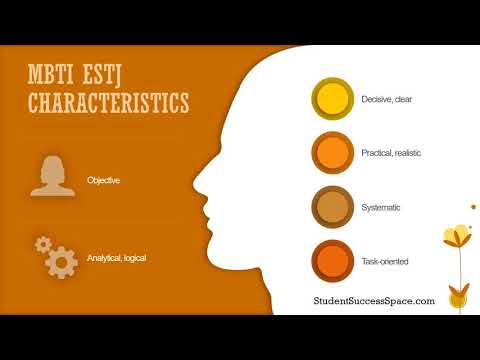
Most of these tests are grounded in theories from psychology. They typically categorize people into various personality types using letters to represent traits. For example, you might have heard of the **ENFP** or **ISTJ** types. Each letter stands for different aspects of your personality.
Here’s a quick breakdown:
- E vs. I: Are you energized by being around people (Extroverted) or do you recharge when you’re alone (Introverted)?
- S vs. N: Do you focus more on concrete information and what’s happening right now (Sensing) or do you think about possibilities and the bigger picture (Intuitive)?
- T vs. F: Is your decision-making process based on logic and facts (Thinking) or do you prioritize personal values and emotions (Feeling)?
- J vs. P: Do you prefer structure and planning in your life (Judging) or are you more spontaneous and flexible (Perceiving)?
Think about it: when someone says they’re an **ISFP**, they just shared a tiny snippet of their inner world! That mix gives insight into how they might interact with others, handle stress, or even pursue goals.
Now, let’s dive into why these tests catch our attention. For many people, discovering their four-letter type feels like unlocking a part of themselves they’ve never quite understood. It can be exciting! I remember when I took my first test; I was amazed at how spot-on it felt. Like looking in a mirror that actually reflects your quirks and preferences rather than just what’s on the surface.
But there are some things to keep in mind:
- The results can be fun but also limiting if taken too seriously.
- Your personality isn’t set in stone; it evolves as we grow through experiences.
- The accuracy may vary; not all interpretations are equally valid.
You see frequent discussions around these tests because they spark curiosity about ourselves and others. People love sharing their types with friends over coffee or at parties—it becomes this cool way to connect.
And while it’s super tempting to box people into categories using these four letters, it’s essential to remember that **people are complex**! Our experiences shape us in ways those letters can’t capture entirely.
So next time you’re tempted to take one of those cute little tests online—or recommend one to a friend—just remember that it can be fun to explore layers of yourself but don’t let the four-letter label define who you are completely!
You know, the multiple personality test—also known as the Dissociative Identity Disorder (DID) assessment—can seem a bit mysterious at first glance. It’s like diving into a deep ocean, where you might find all sorts of hidden treasures but also some murky waters. Let’s break it down a bit.
When you think about personality traits, we all have different sides that pop up depending on the situation. Maybe you’re super chill with your friends but really serious at work. That’s totally normal, right? But with DID, it’s like there are distinct personalities or identities that can take control in different moments. These aren’t just little quirks; they’re full-fledged aspects of a person’s psyche that may have their own names, memories, and even ways of speaking.
Imagine for a second someone named Alex who feels completely different when “Sam” comes out to play. Alex might be shy and reserved, while Sam is outgoing and loves drawing attention. It can be hard to wrap your head around how one person can feel so many different things at once!
So here comes the test part—it aims to peel back those layers to see what’s happening under the surface. It’s not just about diagnosing; it’s about understanding how trauma or difficult experiences can shape someone’s mind into these separate identities as coping mechanisms.
But here’s where it gets tricky: interpreting the results isn’t a walk in the park! You really need someone who gets these intricacies because it involves so much personal history and emotional context. And even then, sometimes people might not fit neatly into categories.
What strikes me most is how important empathy and understanding are when we’re talking about this stuff. Each identity has its own story, its own pain and triumphs. Remembering that helps us see the humanity behind the condition rather than just approaching it as something clinical or weird.
It kinda makes you pause and think about how complex we all are as human beings. We’re not just one thing or another; we’re made up of layers—some seen and some hidden away—which makes life both messy and beautiful at the same time!