You know, you’ve probably heard of the Myers-Briggs personality types. They’re like a fun little road map to understand ourselves and each other.
Ever notice how some people just click while others, well, seem to clash? It’s wild how our personalities can shape those connections, right?
I mean, think about it. You might have a friend who’s all about adventure and spontaneity, while another is super detail-oriented and loves a plan.
Each type brings its own flavor to relationships. Sometimes it’s a perfect recipe; other times it can feel like oil and water!
So, let’s chat about how these personality types play out in our lives and relationships. Trust me, it’s gonna be an interesting ride!
Understanding Myers-Briggs Personality Types: Navigating Relationship Dynamics for Stronger Connections
So, let’s talk about the Myers-Briggs Type Indicator (MBTI) and how it connects to our relationships. You might know someone who swears by their MBTI type or maybe you’ve taken the test yourself. Basically, the MBTI is a way to categorize people based on their preferences in four pairs of opposing traits:
- Introversion (I) vs. Extraversion (E): This one determines how you recharge your batteries. Do you get energized by being alone or by hanging out with others?
- Sensing (S) vs. Intuition (N): Sensing types focus on concrete information and real experiences, while Intuitive folks lean toward abstract ideas and future possibilities.
- Thinking (T) vs. Feeling (F): Thinking people make decisions based on logic and objective criteria, while Feeling people prioritize emotions and values.
- Judging (J) vs. Perceiving (P): Judging types prefer structure and organization, while Perceiving types enjoy flexibility and spontaneity.
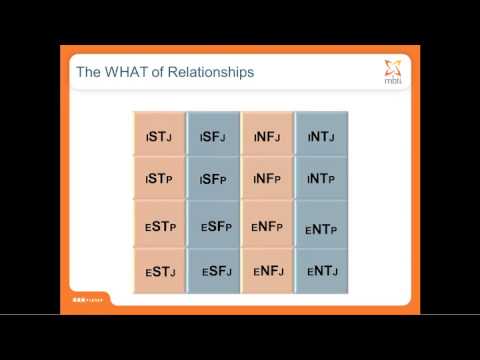
Now, here’s where it gets interesting! These combinations create 16 unique personality types. For example, you could be an ENTJ or an ISFP, which are totally different personalities with distinct ways of viewing the world.
Understanding these types can really help you navigate relationship dynamics. For instance, if you’re an INFP and your partner is an ESTJ, there might be some fireworks—sometimes in a good way and sometimes not so much! An INFP tends to be sensitive, imaginative, and value deep connections while an ESTJ usually prefers structure and practicality.
This can lead to misunderstandings: Let’s say you have a spontaneous plan for a romantic date but your ESTJ partner wants everything organized down to the last detail. Frustrating, right? But realizing that they just process life differently can help ease the tension!
A key point here is communication. Just knowing each other’s MBTI types doesn’t magically fix issues; it gives you a common language to discuss differences in approach or preferences. If the INFP feels neglected because the ESTJ is too focused on work deadlines, understanding those personality inclinations opens up dialogue.
- Be curious: Ask open-ended questions about each other’s preferences!
- Acknowledge differences: Recognize that not everyone sees things your way; it’s okay!
- Adapt strategies: Find ways to meet halfway—blend structure with spontaneity!
The beauty of knowing about MBTI types isn’t just about labeling yourself or others; it’s about fostering empathy in understanding why we all tick differently. Sometimes it can feel like learning a new language when you’re trying to communicate with someone of a different type!
To wrap this up: understanding Myers-Briggs personality types provides valuable insights into relationship dynamics that can lead to stronger connections. You still gotta do the work—but now you’ve got some extra tools in your toolbox!
Exploring MBTI Compatibility Circles: Enhancing Relationships Through Personality Type Alignment
When diving into the world of MBTI, or Myers-Briggs Type Indicator, you come face-to-face with a fascinating way to understand yourself and those around you. But the real kicker? It helps enhance our relationships. You know how some people just click while others… well, don’t? That’s where personality type alignment comes into play.
What Are MBTI Compatibility Circles?
So, MBTI splits us into sixteen different personality types based on four dichotomies—Introversion vs. Extraversion, Sensing vs. Intuition, Thinking vs. Feeling, and Judging vs. Perceiving. These combinations create unique profiles that can help predict how we’ll communicate and connect with someone else.
Now, imagine compatibility circles as groups formed around similar traits within these types. When your type aligns with someone else’s—especially in the same circle—you often find it easier to relate to each other’s needs and approaches to life.
Why Does This Matter for Relationships?
Compatibility matters because it lays the groundwork for effective communication and emotional connection. If you’re a Feeling type paired with another Feeling type, for example, there’s a good chance you’re both sensitive to emotional nuances and can express empathy easily. However, putting a Thinking type next to you might lead to misunderstandings because they approach decisions more analytically.
Here are some key points that outline why understanding compatibility circles can really help:
- Shared Values: Similar personality types often share core values, making it easier to bond over what’s important.
- Communication Styles: Matching types usually have compatible ways of communicating which reduces conflicts.
- Coping Mechanisms: When challenges arise, people in the same compatibility circle tend to navigate issues similarly.
- Tension Management: Knowing each other’s traits can help you diffuse tension before it escalates.
Let’s talk about an example: Imagine an ENFP (the “Campaigner”) dating an INFJ (the “Advocate”). Both are idealistic but process emotions differently—ENFPs are bubbly and spontaneous while INFJs prefer depth and contemplation. They could either complement each other beautifully by balancing out their differences or clash if they fail to appreciate those differences.
The Role of Awareness
Understanding your own MBTI type is just half the battle; recognizing your partner’s type is equally important. It allows you both to approach conflicts more compassionately because you’ll understand why they react in certain ways.
In relationships where one person is an Extravert and another is an Introvert—it can spark some real friction at times! But if you know this upfront? You might realize that one partner needs social time while the other requires solitude without taking it personally.
Ultimately, using MBTI as a guide helps create deeper connections—not just romantic ones but friendships or even workplace collaborations too! Embracing these differences doesn’t mean changing who you are; rather it’s about enhancing understanding in how we love and communicate.
So yeah, exploring these compatibility circles through personality types brings awareness into our relationships that can transform them into something truly special!
Unlocking Friendship: Myers Briggs Compatibility Chart for Lasting Connections
Sure, let’s break down the whole Myers-Briggs thing and how it can relate to friendships. You might’ve heard of it—the Myers-Briggs Type Indicator (MBTI). It sorts people into 16 different personality types based on their preferences in how they perceive the world and make decisions. Understanding these types can totally help us understand our friendships better.
1. What is MBTI?
Basically, MBTI categorizes people using four dichotomies: Introversion (I) vs. Extraversion (E), Sensing (S) vs. Intuition (N), Thinking (T) vs. Feeling (F), and Judging (J) vs. Perceiving (P). Each letter represents a different preference, leading to combinations like INFP or ESTJ.
2. Why does this matter for friendships?
Well, knowing your type—and your friends’ types—can clarify why you click with some people but not with others. For instance, an ENFJ might vibe really well with an INFP because both value deep emotional connections but approach socializing differently.
3. Different personality dynamics
Every type has its quirks! Here’s a glimpse into how some pairs might interact:
- ESTP and ISFJ: This duo can balance each other out; the ESTP loves adventure while the ISFJ provides stability.
- INTJ and ENFP: INTJs appreciate the ENFP’s enthusiasm, while ENFPs benefit from the INTJ’s strategic thinking.
- INFJ and ENFJ: Both are sensitive to others’ feelings, making for a deeply understanding friendship.
4. Conflicts may happen
But nothing’s perfect! Conflicts can arise too—like if you pair an INFJ with an ESTP. The INFJ might crave deeper conversations while the ESTP prefers keeping things light-hearted.
5. Embrace differences
It’s all about embracing differences! Sometimes, those two personalities that seem so far apart? They could teach each other loads about balancing fun with depth.
I once saw this play out between two friends—one was an introverted thinker who loved staying in and analyzing movies while her friend was all about going out and living in the moment. At first, it felt like they were on different planets! But when they learned to appreciate their differences, creativity flourished in their hangouts—they’d plan movie marathons based on their mutual favorites while adding spontaneous trips in between.
In short, understanding where you and your friends stand on that Myers-Briggs scale could really enhance your connections! It doesn’t predict everything about a friendship but gives you awesome insights into how best to connect with each other for lasting bonds!
You know, the Myers-Briggs personality types can be a pretty cool way to understand how we relate to one another. I remember my friend Sarah, who’s an INFJ, and her partner Mark, who’s an ESTP. Those two are like yin and yang. She’s all about deep conversations and empathy, while he thrives on spontaneity and adventure. It’s a classic clash of styles but also kind of magical when they find a balance.
So, the Myers-Briggs theory basically breaks people down into these four dichotomies: introversion vs. extraversion, sensing vs. intuition, thinking vs. feeling, and judging vs. perceiving. Combining these gives you 16 different personality types! It’s like choosing your character in a game—each has its unique traits and strengths.
In relationships, knowing your type—and your partner’s type—can shed light on why you sometimes bump heads or click so well. For instance, if you’re both thinkers in a relationship but one is more methodical while the other goes with the flow, there could be misunderstandings about decision-making or planning.
But here’s the kicker: it doesn’t box us in! You can be an INFJ who loves to go with the flow sometimes or an ESTP who enjoys some serious quiet time every now and then. The key is communication. If Sarah shares her need for deep connection while Mark expresses his love for adventure without taking it personally, they can both feel fulfilled.
And really, that’s what it all comes down to—understanding each other better and making room for those differences rather than letting them become roadblocks. It can feel empowering to see how our personalities play out in our interactions with others.
So next time you’re feeling frustrated with someone close to you or just trying to figure out why you get along so well with another person, maybe take a peek at those Myers-Briggs types? It could give you some fresh insights into your relationship dynamics!