You know those moments when you just can’t figure out why you do what you do? Like, maybe you’re the quiet one at parties, while your friend’s the life of the bash.
Well, if you’ve ever felt curious about what makes you tick, the Myers-Briggs test might be your new best buddy. Seriously!
It’s a fun way to peek into your personality—kinda like looking in a mirror but with way more insights. It helps you understand why you react a certain way or why some things just vibe with you.
Think of it as a personality map that points out your strengths and quirks. You might even discover new things about yourself that surprise you! So, let’s explore this together and see how it all works.
Unlock Your Personality: A Free Guide to Understanding the Myers-Briggs Test
The Myers-Briggs Type Indicator, or MBTI for short, is one of those personality tests that a lot of people seem to either totally love or just roll their eyes at. But hey, it can actually be super insightful! Understanding your personality through the MBTI can open up a whole new world of self-awareness.
So, let’s break down what it’s all about. The test is based on Jungian psychology and uses four dichotomies to determine your personality type. Basically, these dichotomies help you figure out if you lean more toward one side or the other in these pairs:
- Extraversion (E) vs. Introversion (I): Do you get energy from being around people or do you recharge by being alone?
- Sensing (S) vs. Intuition (N): Are you more focused on concrete information and experiences or do you prefer to look at the big picture and imagine possibilities?
- Thinking (T) vs. Feeling (F): When making decisions, do you prioritize logic and objective criteria or how your choices affect others’ feelings?
- Judging (J) vs. Perceiving (P): Do you prefer to have things planned out in advance or are you more spontaneous and flexible?
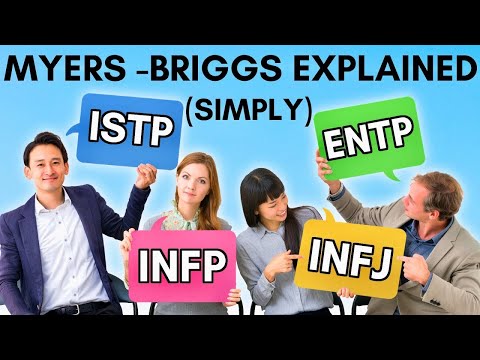
Now, putting these together gives you 16 different personality types like INFP or ESTJ. You might find that knowing your type helps explain why you act a certain way or why you mesh better with certain folks than others.
For instance, if you’re an ENFP, chances are you’re enthusiastic and love brainstorming new ideas! You probably thrive in social situations but may struggle with details. On the flip side, an ISTJ might be someone who prefers structure and values reliability—totally different vibes!
You know what’s cool? The MBTI can help improve relationships too! Understanding how different personalities interact can clear up misunderstandings between friends, family, or coworkers. Like imagine your buddy loves spicy debates because they’re a Thinker, while you’re a Feelings person who just wants harmony—talk about clash city!
Also, don’t forget that this isn’t some definitive label sealing your fate forever; it’s more like a starting point for exploration. You’re not stuck as just one type because we all have unique traits that don’t fit neatly into boxes.
So yeah, getting into the Myers-Briggs stuff could really help make sense of yourself and others around you! Whether it leads to personal insight or improved relationships—or both—it’s worth taking some time to figure out where you stand in this fascinating world of personality types!
Unlocking Your Personality: A Comprehensive Guide to the Myers-Briggs Test Online
The Myers-Briggs Test is one of those personality assessments that can feel like magic, right? It’s all about figuring out what makes you tick. Created by Isabel Briggs Myers and her mother, Katharine Cook Briggs, the test is based on Carl Jung’s theories about personality types. So, let’s break down what this test is all about.
What is the Myers-Briggs Test? It’s designed to identify your personality type based on four dichotomies: Extraversion (E) or Introversion (I), Sensing (S) or Intuition (N), Thinking (T) or Feeling (F), and Judging (J) or Perceiving (P). The outcome gives you a four-letter code that represents your personality. For instance, you might be an INFP or ESTJ.
So, how does it work? Basically, you answer a series of questions about how you think and behave. The results can give you insights into your strengths, weaknesses, and even your preferred ways of interacting with the world around you.
Here’s a quick breakdown of the four dichotomies:
- Extraversion vs. Introversion: Do you recharge by being around others or spending time alone?
- Sensing vs. Intuition: Are you more focused on concrete details or big-picture ideas?
- Thinking vs. Feeling: Do you make decisions based on logic or personal values?
- Judging vs. Perceiving: Do you prefer structure in your life or go with the flow?
Now, let me share a little story with you. My friend Sarah took the test last year because she was feeling kind of lost in her career choices. She discovered she was an ENFJ—basically a people person who thrives on helping others achieve their best selves! This revelation gave her the push she needed to pursue a job in teaching because it aligned perfectly with her natural tendencies to connect and inspire.
The beauty of this test is that it opens up conversations—not just about who you are but also how to communicate better with those around you. Each personality type has its own quirks and ways of viewing the world, which can be super helpful when working in teams or managing relationships.
Is there any downside? Well, sure! Some people argue that it can be too simplistic or boxy—it doesn’t account for everyone’s unique complexities. And that’s totally fair! Not everyone will fit neatly into one category; we’re all shades of gray!
But if you’re curious about yourself—or even curious about someone else—taking the Myers-Briggs Test online could be an eye-opener for understanding those little nuances that make us who we are.
In short, while it’s not the end-all-be-all for figuring out life’s mysteries, it can definitely give you some valuable insights into yourself and help enhance how you see and interact with others in this vast world we live in!
Unlock Your Potential: Take the Free Myers-Briggs Personality Test Today
The Myers-Briggs Type Indicator (MBTI) is a popular tool for understanding your personality. It’s based on the idea that people have different preferences that shape how they perceive the world and interact with others. You might find it interesting to see how this can reflect your behavior, you know?
So, the basics of the Myers-Briggs test break down into four key areas:
- Extraversion (E) or Introversion (I): This is about where you get your energy from. Extraverts thrive in social settings, while introverts recharge by spending time alone.
- Sensing (S) or Intuition (N): This preference indicates how you process information. Sensing types focus on concrete facts and details, whereas intuitive types look at the bigger picture and future possibilities.
- Thinking (T) or Feeling (F): This dimension shows how you make decisions. Thinkers tend to be logical and objective, while feelers are more guided by their values and emotions.
- Judging (J) or Perceiving (P): This reflects your approach to the outside world. Judging types prefer structure and plans, whereas perceiving types are more flexible and spontaneous.
When you combine these preferences, you end up with one of 16 personality types, like INFP or ESTJ. Each type has its own quirks and traits.
Now, why should you care about knowing your type? Well, understanding your personality can help improve various aspects of life. For example:
- Career Choices: Certain jobs line up better with specific personality types. If you’re an introverted thinker, you might excel in research roles over front-line sales positions.
- Relationships: Knowing whether you’re a feeler or a thinker can really help in connecting with others—you might find yourself navigating conflicts better!
- Personal Growth: Once you’re aware of your tendencies, it’s easier to work on aspects you’d like to change or enhance.
You know how sometimes things just click? That’s what happened when I took my first MBTI test. I realized I was an INFJ—known for being introspective but also quite passionate about helping others. It kinda opened my eyes!
So if you’re curious about discovering yourself through this lens, taking the free Myers-Briggs test could be pretty insightful. Just remember: it’s not a definitive label—it’s more like a guidebook for navigating life a little better.
In summary, the MBTI can be a helpful tool in understanding yourself and others around you. Knowing your personality type isn’t just fun; it could lead to meaningful changes in your personal and professional relationships! So why not give it a shot? Who knows what you might learn!
You know, personality tests can be both exciting and a little daunting. So, when you come across something like the Myers-Briggs Type Indicator (MBTI), it’s hard not to feel intrigued. Basically, this test tries to break down who you are into four dichotomies: introversion vs. extroversion, sensing vs. intuition, thinking vs. feeling, and judging vs. perceiving. When you take it, you end up with a four-letter type that feels oddly familiar—like a mirror holding up your quirks and habits.
I remember the first time I took this test. I was in college, hanging out with friends who were all buzzing about their results like it was some kind of secret club. So, of course, I had to know mine too! When I found out I was an INFP—idealistic and sensitive—I felt like someone had just read my diary without me even needing to open it. It was a mix of disbelief and relief; finally someone put words to what I’d been feeling.
What’s cool about the MBTI is how it encourages you to think about your preferences rather than labeling them as good or bad. Like if you’re an extrovert who thrives in social settings but feels drained afterward compared to an introvert who prefers quiet time alone—neither is better than the other! It’s all about understanding your unique blend of traits that shapes how you see the world.
But here’s the thing: while these types can give you insight into yourself and others, it’s essential not to box yourself in completely. People are more complex than just four letters on paper! Sometimes mood shifts or life experiences can tweak how we express certain traits.
Plus, learning about other personality types can help smooth out relationships too—like recognizing that your best friend’s “thinking” approach might clash with your “feeling” nature during tough conversations. Understanding those differences? It actually makes navigating life a bit easier.
So yeah, exploring your personality through tools like Myers-Briggs can be quite enlightening! Just remember—while it highlights patterns in our behavior and preferences, it’s one piece of a much larger puzzle called being human. And learning about yourself isn’t just a one-and-done kinda deal; it’s an adventure that keeps unfolding as you grow and change over time!