You know those days when you just can’t figure yourself out? Like, why you react a certain way or why some things annoy you more than others? Yeah, I get it.
Well, there’s this tool called the Myers Personality Test that might help a bit. It’s not some magical solution, but it gives you a peek into your own mind. Seriously, it’s kinda cool.
Imagine getting insights about your personality that explain why you vibe with some folks and clash with others. Sounds interesting, right?
So let’s chat about what this test actually is and how it can help you understand yourself better. You might just discover something new about who you are!
Exploring the Top 3 Rarest MBTI Personality Types: Insights and Analysis
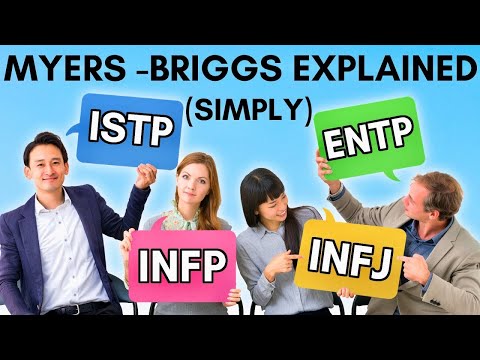
The Myers-Briggs Type Indicator, or MBTI, is a tool many people use to understand their personality traits. It categorizes us into 16 different types based on four dichotomies: where you get your energy from (Introversion or Extraversion), how you take in information (Sensing or Intuition), how you make decisions (Thinking or Feeling), and how you deal with the outside world (Judging or Perceiving). Some personality types are more common than others. Let’s talk about three of the rarest ones.
1. INFJ: The Advocate
This type is often called «the advocate» because they tend to be deeply empathetic and insightful. Only about 1-2% of the population fall into this category. So, what makes them tick? INFJs are guided by their values and often seek to help others. They’re dreamers, but also doers! Picture someone who’s really passionate about social issues; that’s an INFJ for you! They can feel overwhelmed by the emotional weight they carry and might need time alone to recharge.
2. INTJ: The Architect
You won’t come across many INTJs—only around 2-4% of folks fit this bill. Known as «the architects,» they’re strategic thinkers with a knack for planning ahead. These people thrive on logic and organization, often having a clear vision for their future. If you’ve ever met someone who loves to argue about theories or loves efficiency in everything, that might be an INTJ! However, they can sometimes come off as aloof because they’re so focused on their thoughts rather than social niceties.
3. ENTJ: The Commander
Now we’re talking about just 2-5% of the population again with ENTJs—the commanders! These individuals are natural leaders and love taking charge in any situation. Ever seen someone who just naturally steps up during group projects? Yep, that could be an ENTJ! They value competence and efficiency but can appear harsh at times because they’re so direct with their feedback. That said, what really drives them is efficiency and getting things done.
Understanding these rare types can give you a fresh perspective not only on yourself but also on those around you. If you identify as one of these rarer personalities—or know someone who does—embrace it! You have unique strengths that can truly shine in both personal life and work environments.
It’s fascinating to think about how diverse personalities shape our interactions every day, isn’t it? And even if you’re not one of these rare types, knowing about them helps create better connections among all of us wonderful weirdos out there!
Understanding the Myers-Briggs Test: Can You Truly Fail?
So, let’s chat about the Myers-Briggs Type Indicator (MBTI). You might have heard of it; it’s that personality test that splits you into neat little categories based on how you think and behave. It’s pretty popular, and lots of people use it for everything from career choices to personal growth. But can you actually fail this test? Well, here’s the scoop.
The Myers-Briggs test is not a pass-or-fail situation. When you take it, you’re not being graded like in school. Instead, it’s about discovering where you fit on a spectrum of personality traits. The MBTI categorizes people into 16 distinct types based on four dichotomies:
- Introversion (I) or Extraversion (E): Do you recharge by being alone or by hanging out with others?
- Sensing (S) or Intuition (N): Do you focus more on concrete facts or big-picture ideas?
- Thinking (T) or Feeling (F): Do you make decisions based on logic or how they make people feel?
- Judging (J) or Perceiving (P): Are you more structured and decisive, or flexible and spontaneous?
The thing is, every personality type has its strengths and weaknesses. So really, no type is better than another. Think of it like a puzzle—each piece has its own unique shape but fits together to make the whole picture.
Now, what if someone says they “failed” the test? Maybe they expected to get a certain type but ended up as something completely different. That can sting a bit! You might feel disappointed if your results don’t match your self-image. But remember: it’s not about “failing.” It’s about gaining insight into who you are.
A friend of mine once thought she’d be an extravert because she loves talking to people and making friends. But when she took the MBTI, she landed on INFP—an introverted type! At first, she was unsure what to make of it because she didn’t see herself that way. But later, she realized her preference for deep one-on-one conversations rather than large gatherings was totally in line with being an introvert!
This experience shows something crucial: the MBTI can sometimes challenge our self-perceptions but doesn’t define our worth or limit our potential. The test can help highlight areas where we might want to grow or adjust how we approach life.
If you’re contemplating taking the test—or have taken it already—keep this in mind: Your results are just a starting point for understanding yourself better. You can’t “fail” at being yourself! Instead, think about what resonates with your experiences and how these insights could help in personal development.
So go ahead! Explore your results with an open mind. Share them with friends if that feels right; talk through what they mean for your life choices. Just keep in mind: this journey is all about learning—not passing tests!
Unlock Your Potential: Take the Free Myers-Briggs Personality Test Today
The Myers-Briggs Personality Test is seriously one of those tools that can help you understand yourself better. It’s based on Carl Jung’s theories about personality types. The idea is that everyone has certain preferences in how they perceive the world and make decisions. By figuring out your personality type, you can gain insights into your strengths, weaknesses, and even how you relate to others.
So, what does it really do? Well, the test looks at four pairs of opposing traits:
- Extraversion (E) vs. Introversion (I): Do you recharge by being around people or do you need some alone time?
- Sensing (S) vs. Intuition (N): Do you focus on the present details or look at the bigger picture?
- Thinking (T) vs. Feeling (F): Do you make decisions based on logic or your feelings?
- Judging (J) vs. Perceiving (P): Do you prefer structure or are you more open and adaptable?
These preferences combine to give you a four-letter personality type, like INFP or ESTJ. Each type has its own vibe and characteristics that paint a picture of how you operate in life.
Now, I remember when I first took this test years ago. Honestly? It was eye-opening! I found out I was an ENFP—a total dreamer who loves connecting with people and coming up with new ideas. Just seeing it laid out like that made me realize why I’ve always felt more energized in social situations than when alone.
You might be thinking about why this matters for your daily life or career choices. Knowing where you stand on these scales can help in several ways:
- Improve communication: Understanding how different types process information helps avoid conflicts.
- Career alignment: You might discover specific jobs align better with your natural tendencies.
- Personal growth: Recognizing areas where you’re less comfortable can guide personal development.
It’s not just about typing yourself into a box either! The test provides a springboard for deeper self-reflection. You start asking questions like, “Why do I prefer working alone sometimes?” Or “How come I always feel drained after big gatherings?” These insights can lead to changes in how you approach relationships or work environments.
While the Myers-Briggs Test isn’t designed to define every aspect of who we are, it’s still pretty useful as a jumping-off point for understanding yourself and others better. Just remember: don’t take it too seriously! It’s one tool in a big toolbox for self-discovery.
If you’re curious about taking the free test today, it’s readily available online—just search it up! You’ll be surprised at what you’ll learn about your own personality quirks and maybe even have some fun while doing it!
Have you ever taken the Myers-Briggs Type Indicator (MBTI) test? It’s basically one of those personality quizzes that many of us have stumbled upon at some point. You know, the ones where you answer a bunch of questions and then get labeled with a four-letter acronym—like INFJ or ESTP. Even if it feels kinda silly, there’s a reason people find it intriguing.
When I first tried the test, I was like, «What even is this?” I sat down with my laptop, all comfy on my couch, and started answering questions. Honestly, some of them threw me for a loop! There were times I felt torn between two options. Do I recharge by being alone or by hanging out with friends? Well, it kind of depends on the day, doesn’t it?
But once I got my results—a lovely INTJ, thank you very much—I felt this mix of curiosity and excitement. It’s like discovering a secret code about who you are. Suddenly, things clicked into place: why I love planning ahead but sometimes feel overwhelmed by spontaneous decisions! It was almost like someone had written a small biography about me without ever meeting me.
So what’s happening behind the scenes? The Myers-Briggs theory is rooted in Carl Jung’s ideas about personality types. The model suggests that we have different preferences in four areas: how we get our energy (introversion vs. extraversion), how we take in information (sensing vs. intuition), how we make decisions (thinking vs. feeling), and how we approach life (judging vs. perceiving). Each combination makes us unique!
Now look, it’s not about putting yourself in a box. You don’t magically fit perfectly into your type; people are complex! But these insights can spark an “aha” moment when you start relating certain traits to your experiences or choices in life.
It might also help you understand your friendships better. For example, I learned that my best friend is an ESFP—total opposite of me! She thrives on being around people and loves spontaneity while I often prefer deep conversations over coffee rather than loud parties. It made sense when she would drag me to events where I’d end up having fun but needed to recharge afterward!
So yeah, taking the Myers test can be more than just some fun quiz—you might discover something valuable about yourself and others too! Sure, don’t take it too seriously; it’s just one tool among many that helps us unravel our personalities bit by bit! As they say: knowing yourself is half the battle!