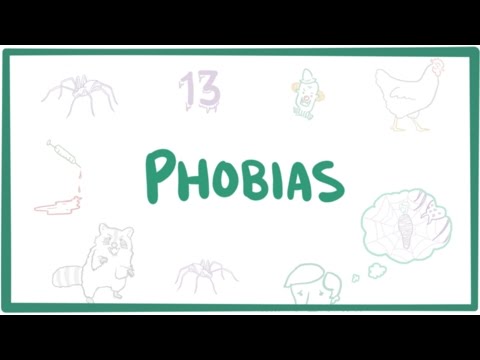
Okay, so let’s chat about phobias. You know, those intense fears that can make your heart race just thinking about them?
People have wild phobias. Like, some folks freak out at the thought of clowns. Others can’t stand heights or even tiny spaces. It’s kinda fascinating and a little scary, right?
But here’s the deal: understanding these wacky fears can tell us a lot about how our minds work. They’re not just random; there’s often a story behind them.
So, if you’ve ever wondered why your friend can’t go near butterflies or why you get jittery on an escalator, stick around! We’re diving into the world of phobia names and what they mean for our brains and emotions. Sounds good? Let’s go!
Exploring the 10 Most Challenging Phobias: A Comprehensive Guide to Fear Responses
Fear can be a tricky thing, right? Some people are scared of heights, while others might freak out at the sight of a spider. That’s where phobias come in. These intense fears can really mess with lives, and they’re more common than you might think. Let’s break down some of the most challenging phobias out there.
1. Arachnophobia: This one’s all about spiders. Imagine walking into a room and spotting one little spider on the wall, and suddenly your heart races like crazy! People with arachnophobia often avoid places where spiders might be lurking.
2. Acrophobia: Fear of heights is a biggie for many folks. Picture yourself standing at the edge of a tall building. The panic sets in; it feels like the ground is pulling you down. Someone with acrophobia may even avoid stairs or hills altogether.
3. Agoraphobia: This one isn’t just about being afraid of crowds; it’s more like fear of being trapped in situations where escape might be tough, like being outside your home or in a busy mall. It can keep people from leaving their houses for months or even years.
4. Claustrophobia: Now, imagine getting stuck in an elevator or a tiny room with no windows; talk about panic! Claustrophobic individuals tend to avoid small spaces because they feel suffocated—both physically and mentally.
5. Cynophobia: It’s not just that some people dislike dogs; cynophobes have an overwhelming fear of them! Even seeing a dog from afar can trigger anxiety attacks, making it hard to enjoy parks or neighborhoods where dogs are common.
6. Ophidiophobia: Ever seen someone scream at the sight of a snake? Ophidiophobia is that intense fear that makes even pictures of snakes unbearable for some folks!
7. Trypanophobia: Needles bring on sweat for many people, but trypanophobes feel sheer terror at the thought! This phobia can make routine medical procedures incredibly stressful and sometimes lead to avoidance altogether.
8. Nyctophobia: Many kids are afraid of the dark, but nyctophobia takes that fear up a notch into adulthood. Darkness equals danger for these individuals, leading to anxiety when night falls or when lights go out.
9. Hemophobia: Blood can be quite unsettling if you think about it too much—but hemophobic individuals are absolutely petrified by it! Even seeing blood on TV or in movies could trigger fainting spells or severe anxiety attacks.
10. Social Phobia (Social Anxiety Disorder): This isn’t just typical shyness; it’s an intense fear of being judged by others in social situations—the kind that makes you sweat bullets before speaking in public or even just chatting with friends.
Phobias aren’t just everyday fears—they’re extreme responses that can disrupt life significantly. Each phobia has its own triggers and ways it affects behavior, leading folks to dodge certain scenarios entirely just to cope with their fears!
So what do you do if you have one? Awareness is key—understanding your triggers helps manage reactions better over time! And while facing fears head-on sounds brave and all, taking small steps is often way more manageable.
At the end of the day, we all have fears—some more manageable than others—but knowing you’re not alone in this wild ride called life makes everything seem a bit less scary!
Effective Strategies for Overcoming Cardiophobia: Understanding and Treatment Options
Cardiophobia, or the fear of heart-related issues, is one of those fears that many people don’t talk about openly. You know, it’s like when someone says they’re worried about their health and you think, “Oh yeah, I totally get that!” But for some folks, those worries can spiral into a full-blown phobia. They might constantly check their heartbeat or avoid physical activity altogether because of the fear of having a heart attack. So, let’s break this down in simple terms.
First off, it’s important to recognize what triggers cardiophobia. Sometimes it comes from a personal experience with heart issues or seeing a loved one go through something serious. Imagine being at a family gathering and suddenly feeling your heart race after hearing your uncle talk about his recent stint in the hospital. That moment can stick with you and make your mind race—literally!
Now, how do we tackle this? There are a few effective strategies out there:
- Education: Learning about heart health can be super empowering. If you understand what’s normal and what’s not for your body, it might ease some fears. Like knowing that occasional palpitations are usually harmless.
- Cognitive Behavioral Therapy (CBT): This approach is like having a little chat with yourself but guided by a professional. It helps to challenge those irrational fears and replace them with healthier thoughts.
- Mindfulness Practices: Techniques such as meditation or deep breathing can help calm that racing heart. Think about taking just five minutes daily to breathe deeply and tune in to your body without judgment.
- Gradual Exposure: If certain situations trigger anxiety—like running up stairs—exposing yourself gradually can help desensitize you over time. Start slow; maybe take one flight before working your way up to three!
- Support Groups: Sometimes talking to others who share similar fears provides comfort that you’re not alone in this battle. Hearing stories from people who’ve overcome similar challenges can be inspiring.
And let me tell you, sometimes just reaching out to friends or family when feelings get overwhelming can work wonders! I remember talking to my buddy when he was convinced his chest pain meant something dire (it was just anxiety), and once he opened up, it lightened the load significantly.
Of course, if symptoms feel too intense or are disrupting daily life significantly, consulting with mental health professionals is key. They can provide tailored strategies and support.
Lastly, remember that overcoming cardiophobia doesn’t happen overnight; it’s more like running a marathon than a sprint—it takes time! Developing healthy habits around self-care can help lots too.
In summary, cardiophobia may be tricky but understanding its roots and applying these strategies can really set you on the right path toward feeling more in control of your health fears!
Comprehensive A to Z List of Phobias: Understanding Fear and Anxiety
Understanding phobias can feel a bit overwhelming given the wide range of fears people experience. It’s fascinating, though, how our brains can react so differently to certain things. From the common to the downright bizarre, here’s a look at what phobias are all about.
What is a Phobia? A phobia is an intense, irrational fear of something that poses little or no actual danger. Basically, when you’re faced with your phobia, your brain goes into overdrive and triggers those fight-or-flight responses, which can lead to anxiety attacks or panic.
Common Phobias Some phobias are pretty well-known. Here are a few:
- Arachnophobia: Fear of spiders. Have you ever walked into a room and seen a spider? For some, it’s like seeing a monster!
- Claustrophobia: Fear of small spaces. Imagine being stuck in an elevator—yikes!
- Aerophobia: Fear of flying. That moment when the plane takes off can be nerve-wracking for many.
- Agoraphobia: Fear of being in situations where escape might be difficult. This often leads people to avoid crowded places.
The Lesser-Known Phobias Then there are those more unusual fears that can leave folks scratching their heads:
- Anemophobia: Fear of winds or drafts. Quite specific, huh?
- Cacophobia: Fear of ugliness. This one might tie into deeper social anxieties.
- Xenophobia: Fear of strangers or foreigners. It speaks volumes about human instincts towards safety and trust.
- Sociophobia: Fear of social situations, leading to avoidance of gatherings or even talking with others.
The Impact on Daily Life Living with a phobia can make daily activities tough. Imagine being too scared to step outside because you think about all the things that could go wrong! For some people, even thinking about their fear can trigger anxiety.
Coping Strategies A lot of folks find ways to manage their phobias. Exposure therapy is one such method where someone gradually confronts their fear in a controlled manner—like facing that spider in small steps! Others may rely on relaxation techniques or even support groups.
In remembering an old friend who had social anxiety—he was terrified of public speaking; just the thought would make him sweat bullets! He started by sharing thoughts with close friends first, gradually building up his confidence until he could present in front of larger groups.
A Final Thought Everyone has fears; it’s completely natural! While some people may struggle with these intense reactions more than others, understanding what’s happening in our minds helps normalize those experiences and reduces shame around them.
So whether it’s a common fear or something strange like the fear of clowns (coulrophobia)—we’re all just trying to navigate our own unique hills and valleys when it comes to emotions!
So, let’s chat about phobias, those intense fears that can make the most ordinary things seem terrifying. You ever see someone freak out at a spider? Or maybe you’ve felt your heart race at the thought of flying. It’s wild how our minds work, right? Phobias have some pretty interesting names, and trust me, they’re not just for show.
Take “arachnophobia,” for example. It sounds all fancy, but it just means fear of spiders. You might find it amusing or strange to learn that someone could be so terrified of a little eight-legged critter that they can’t even look at a picture of one! And then there’s “agoraphobia,” which isn’t just a fear of crowds; it can involve anxiety about being in situations where escape might be hard. So if someone feels trapped in their own home because they dread the outside world? That’s some serious stuff.
Here’s the thing—phobias aren’t just quirks; they’re rooted in our experiences and even biology. Some folks say it’s like our brains misfire when it comes to perceived threats. Like my friend Michelle, who has this insane fear of heights—she once stood on a balcony and turned pale instantly. Her legs were shaky and her hands clammy as I tried to talk her down from her panic. It made me realize how real these fears can be—even if we don’t understand them.
Exploring these phobia names is kind of like going on a treasure hunt for understanding our weird fears and anxieties. Each name tells a story—a personal history or an evolutionary past—and when you dig into them, you see they reflect something deeper about human nature itself.
The whole process gets really emotional too; phobias can isolate people from experiences most of us take for granted—like traveling or even walking through a park without freaking out over something that most wouldn’t think twice about. That isolation can lead to loneliness and shame. Knowing the name behind those feelings helps us connect dots between ourselves and others.
So next time you hear someone mention their odd fear or catch yourself feeling anxious over something seemingly silly, remember—it has roots somewhere deep in psychology! And while it may seem trivial to some, those feelings are very real for others. It’s all part of being human, I guess!