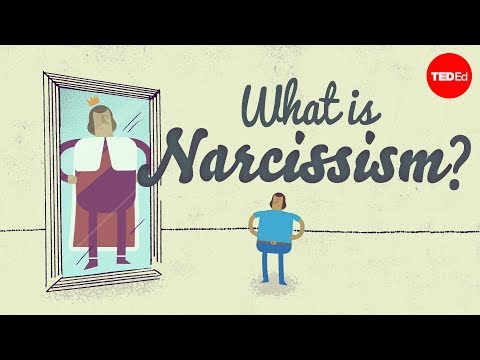
You know, we all have that one person in our lives who keeps talking about themselves. And you’re just sitting there thinking, “Okay, but what about me?”
Yeah, that’s a little taste of narcissism for ya. It’s wild how this personality trait can show up in everyday life.
Narcissists are like walking mirrors—reflecting their own greatness while ignoring everyone else’s needs. Seriously, it makes you wonder how they see the world.
But it’s not just annoying dinner conversations. Narcissism messes with mental processes too. It shapes how we think, feel, and relate to each other.
So let’s break it down—how does narcissism really influence behavior? What goes on behind the scenes? Stick around; it’s gonna be an interesting ride!
Effective Strategies for Treating Narcissistic Personality Disorder: A Comprehensive Guide
Narcissistic Personality Disorder (NPD) is a pretty complex topic. It doesn’t just affect the person with it; it can create ripples in relationships, work environments, and even social situations. So, let’s break it down a bit.
Narcissists often crave admiration and can struggle with a sense of entitlement. They might come off as confident or charming, but underneath that surface can be a lot of insecurity. The way they perceive themselves and others can lead to problematic behaviors.
Now, treating NPD is not straightforward. It usually involves therapy focused on helping the individual develop self-awareness and empathy. Here are some effective strategies that professionals might use:
- Psychotherapy: This is often the cornerstone of treatment. A therapist helps the person explore their feelings and beliefs, building insights over time.
- Cognitive Behavioral Therapy (CBT): CBT can be helpful in identifying distorted thinking patterns. For instance, if someone thinks they’re always right or superior to others, CBT helps challenge those thoughts.
- Empathy Training: Many narcissists struggle with understanding how others feel. Therapists might encourage role-playing exercises where patients practice empathetic responses.
- Affect Regulation: Learning to manage emotions is key. Narcissistic individuals often have intense reactions to perceived slights or criticism, so strategies for emotional regulation are vital.
- Building Self-Esteem: Instead of relying on external validation, therapy may focus on fostering a healthier self-image that’s less dependent on other’s opinions.
You know what’s interesting? Sometimes people with NPD may not even realize they have it until things start going sideways in their relationships or career. This realization can be the first step toward seeking help.
While therapy is important, sometimes medication may also help—especially if someone deals with anxiety or depression alongside their narcissism. But remember: it’s really about tailoring the approach to each individual because everyone’s experience is unique.
Setting boundaries during treatment can also play a vital role—both for therapists and loved ones of someone with NPD. When you engage with someone who has narcissistic traits, having clear limits can help you protect your own mental well-being while they work through their issues.
So basically, treating NPD isn’t about changing who someone is at their core; it’s about helping them understand themselves better and how they fit into the world around them. With time and effort—sometimes lots of effort—it’s possible to see improvement in both their lives and in those around them.
Understanding the Narcissistic Mindset: Key Traits and Implications for Relationships
Understanding the narcissistic mindset can be, well, a bit of a rollercoaster ride. It’s all about getting into the head of someone who often seems self-absorbed and larger-than-life. So, let’s break it down!
Narcissism Defined
Narcissism isn’t just about being vain or having a big ego. It’s a personality trait that can range from mild to severe. At its core, it’s marked by an excessive focus on oneself and a significant lack of empathy for others. Sounds tough to deal with, right?
Key Traits of Narcissism
- Grandiosity: This is like the hallmark feature. People high in narcissistic traits often see themselves as unique or superior to others.
- Need for Admiration: Narcissists typically crave compliments and validation, constantly seeking attention.
- Lack of Empathy: They might struggle to recognize or care about other people’s feelings. You could be pouring your heart out to them, but they’ll just steer the convo back to themselves.
- Entitlement: They often believe they deserve special treatment and can become offended if they don’t receive it.
- Exploitative Relationships: Narcissists may take advantage of others without guilt or remorse, treating relationships like transactions.
The Social Dynamic
Navigating relationships with someone who has these traits can feel like walking on eggshells. Their grandiosity might make them charming at first but soon enough, their need for admiration overshadows everything else. For instance, you might find yourself supporting their every achievement while your own needs are brushed aside.
I remember chatting with a friend who dated someone quite narcissistic. She’d share all her amazing news but he’d quickly turn the conversation back to his accolades—like he couldn’t even hear her excitement! It’s draining.
The Implications for Relationships
Being in a relationship with someone high in narcissistic traits can lead to various emotional challenges:
- Codependency: You may find yourself feeling responsible for their happiness while neglecting your own needs.
- Lack of Communication: Open discussions can feel one-sided since they prioritize their perspective over yours.
- Betrayal of Trust: Their exploitative nature might lead them to betray trust easily; they often don’t understand how their actions affect you.
It’s almost like you’re living under a spotlight: everything revolves around them! Over time, this imbalance can cause frustration or even resentment.
The Path Forward
So what can you do if you find yourself tangled up with someone who has this mindset? Honestly? Setting boundaries is key! Know your worth and don’t hesitate to assert yourself.
But remember! Recognizing these traits isn’t always easy—it requires some introspection and sometimes even courage. The journey might be tough, but understanding where they’re coming from helps clarify your own feelings too.
Think about it this way: you’re not just stepping into their shoes; you’re trying to protect your own feet from getting trampled along the way! And that balance? Super important for both parties in any relationship.
In short, grasping how narcissism affects behaviors not only makes life easier on you but also helps navigate those tricky interpersonal waters more smoothly.
Exploring Narcissism: Comprehensive Research Articles and Insights
Narcissism is one of those terms that pops up a lot in conversations, right? You hear it and think of someone who’s super self-absorbed or vain. But there’s way more to it than just that. So, let’s take a closer look at what narcissism really means and how it affects human behavior and mental processes.
Narcissism isn’t just one thing. It actually exists on a spectrum. You’ve got “normal” narcissism, which can be pretty healthy in small doses—like having confidence in yourself. But then there’s pathological narcissism, where things start getting messy. This is the kind where people might feel like they’re special or unique and often need admiration from others.
Now, pathological narcissism often ties into various behaviors. These folks may struggle with empathy—they might not really get how their actions impact others. Ever had a friend who only talked about themselves, no matter how much you tried to share your own stuff? That’s a classic sign! It can lead to real issues in relationships since they often seem distant or unaffectionate.
Interestingly enough, narcissistic tendencies can be linked to mental health issues. Research suggests that individuals with high levels of narcissism are more prone to anxiety and depression—even if they don’t always show it. Ever met someone who seems full of themselves but underneath has serious insecurities? That’s not uncommon!
Think about social media for a second. Narcissism can thrive online. People post selfies or highlight reels of their lives to seek validation from likes and comments. It’s almost like an instant feedback loop for their self-worth! But too much focus on this can lead them down a dark path toward feeling unfulfilled when the attention fades.
And let’s chat about vulnerability for a sec! Narcissists often avoid taking responsibility. When things go wrong, they might blame others instead of owning up to it. That’s because admitting mistakes can feel like an attack on their self-image—a totally vulnerable spot for them!
You’ll also find that people with strong narcissistic traits tend to struggle with maintaining long-term relationships. You see, their partners might feel consistently undervalued or ignored due to the narcissist’s need for attention and admiration—it’s exhausting trying to keep up with someone who always puts themselves first.
But hey, it’s not all doom and gloom! Some research shows that understanding where these behaviors come from helps us connect better with these individuals as we figure out ways to communicate more effectively—like setting boundaries without pushing them away.
In conclusion, narcissism shapes how some people interact with the world around them—and yes, this impacts both their behavior and mental processes significantly. From relationship troubles to emotional struggles, it’s clear there’s much more below the surface than just vanity.
So next time you encounter someone exhibiting these traits—or maybe even catch yourself doing so—remember: it’s all part of this complex web of human behavior!
Narcissism is one of those buzzwords that’s tossed around a lot, but honestly, it’s pretty fascinating when you dig into what it really means for our behavior and thought processes. You know, people often think of narcissists as just being self-centered jerks who only care about themselves. While that’s a big part of it, there’s a lot more under the surface.
Take my friend Jake, for example. He was always the life of the party—super charming, joke machine—you’d think he was just full of life. But after hanging out with him for a while, I noticed something kind of unsettling. Whenever someone else got attention or praise, he’d shift the conversation back to himself like it was second nature. It wasn’t just a little annoying; it felt like he couldn’t stand not being in the spotlight! That’s when I started to understand how narcissism can really shape interactions and relationships.
So narcissism basically messes with how people connect with others. On one hand, these folks often come off as charismatic leaders or high achievers because they tend to have this inflated sense of self-importance and confidence. But on the other hand? Man, they can struggle with empathy or genuinely caring about other people’s feelings. It’s like they’ve got this inner dialogue that keeps telling them they’re really special but also leaves them super insecure deep down.
And here’s where it gets interesting: those inflated self-esteem vibes can actually affect mental processes too. Narcissistic individuals might overestimate their abilities or take on challenges without understanding risks properly—like thinking they’ll ace any task just because they believe they’re destined for greatness! But if things don’t go their way? Well, let’s just say their reaction can be pretty dramatic; they might lash out or deflect blame to avoid facing any shortcomings.
The way narcissism impacts relationships is wild too. If you’re dating someone who exhibits these traits, you might feel like you’re walking on eggshells sometimes—not knowing how they’ll react to your needs or feelings! It can create this weird push-pull dynamic where one person is so focused on their own interests that real communication breaks down entirely.
In short, while some people might admire those narcissistic traits at first glance—hey, who doesn’t love a confident go-getter?—it’s crucial to understand how this personality style affects mindsets and relationships in ways we might not recognize immediately. We’re all looking for connection and validation in some form; realizing how narcissism interacts with those desires makes us think more deeply about our own behaviors too.
Just like Jake taught me: beyond the laughter lies something more complicated—a reminder that everyone has their unique story and struggles hiding behind that charming smile.