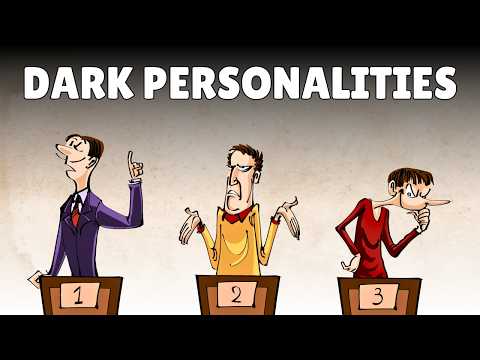
Have you ever met someone who just seems to be all about themselves? I mean, it’s like they have this magnetism, but also a total lack of empathy. It can be pretty confusing, right?
Then there’s that other person who feels kind of… off, like they don’t really care about anyone else at all. You might wonder: what gives with these folks?
Well, there’s this whole world of psychology that tries to explain what makes them tick. I’m talking about narcissism and sociopathy. Two terms you might’ve heard thrown around a lot, but they can be tricky.
So, let’s break it down together! We’ll explore these psychological profiles in a way that makes sense—no fancy jargon here. Just you and me navigating through the quirks and qualities of these personalities. Ready? Let’s jump in!
Understanding the Link Between Narcissism and Sociopathy: Key Insights and Implications
Understanding narcissism and sociopathy can feel like navigating a complex maze, but once you get the hang of it, things start to make sense. Let’s break it down together.
Narcissism is often characterized by a grandiose sense of self-importance. People who exhibit narcissistic traits crave attention and admiration. They might seem charming initially, but underneath that shiny surface lies a lack of empathy for others. It’s like they have this emotional filter that only lets in what boosts their self-esteem.
On the other hand, sociopathy is generally linked to antisocial personality disorder (ASPD). Sociopaths display patterns of disregard for others’ rights and feelings. They can be manipulative and impulsive, often engaging in risky behaviors without caring about the consequences. Imagine someone who can charm you one minute and then take advantage of you the next – that’s pretty much their playbook.
Now, here’s where things get interesting: there’s overlap between these two personality types. Both share traits like a lack of empathy and manipulation skills, yet they manifest differently. Narcissists often rely on their charisma and social skills to dominate situations while sociopaths tend to be more reckless or aggressive in achieving their goals.
So what does this mean for real life?
Take my friend Sarah’s story: she had a boss who was very charismatic but would often take credit for her work. At first, she thought he was just confident, but eventually realized he lacked any genuine concern for her efforts or well-being—classic narcissism mixed with a bit of sociopathic flair.
In essence, both narcissism and sociopathy highlight important aspects of human behavior that we should pay attention to. By recognizing these traits, we empower ourselves to navigate relationships better and safeguard our emotional health. It’s all about being aware – think twice before getting too close!
Identifying the Signs of a Male Narcissistic Sociopath: Key Characteristics and Red Flags
Alright, let’s get into something that can be pretty tricky: spotting a male narcissistic sociopath. It’s like navigating a maze with no exit signs. But understanding the key characteristics and red flags can help you steer clear of these personalities.
Narcissism and sociopathy are distinct yet often overlapping traits. A narcissist seeks admiration, while a sociopath lacks empathy and morals. When these two traits combine, it can create a personality that’s not only self-absorbed but potentially dangerous.
First up, one of the biggest signs is that they tend to be extremely charismatic. You might feel drawn to them at first because they’re often charming and engaging. But this charm can quickly fade, revealing someone who cares little about your feelings or needs.
Here are some red flags to look out for:
- Lack of empathy: They may struggle to understand or care about how their actions affect others. For example, if you share your struggles, they might quickly change the subject back to themselves.
- Grandiosity: He may believe he is superior or destined for greatness, often exaggerating achievements. This could manifest in constant bragging about work or personal life.
- Manipulative behavior: Expect them to twist situations to make you feel guilty or responsible for their feelings. If they mess up something, don’t be surprised if it somehow becomes your fault.
- Inconsistent emotions: One moment he might seem loving and attentive; the next, he could be cold and dismissive. This inconsistency can leave you feeling confused and anxious.
- A sense of entitlement: They often believe they deserve special treatment. If you deny them something simple—like choosing what movie to watch—they might throw a fit as if the world owes them something.
You know how it feels when someone crosses boundaries? Well, these guys do it all the time without remorse. Personal space? Forget about it! Their need for control means they’ll push limits just for fun—or maybe because they can’t help themselves.
If we talk about relationships specifically, there’s usually some love bombing involved at first—showering you with affection to win you over before pulling back drastically later on. It’s like you’re riding an emotional rollercoaster where only they get a pass on getting off whenever they want!
Anecdote time! I once knew someone who dated a guy like this; he presented himself as super caring until he didn’t get his way in an argument. He turned cold fast—suddenly she was the villain in her own story! That radical shift left her questioning her worth and sanity.
If you find yourself often second-guessing your own reality around someone or feeling drained after interactions with them—those are huge red flags! Trust your gut—it usually knows what’s up before we do!
The combination of narcissism and sociopathy creates complex dynamics in relationships; recognizing these traits is crucial for maintaining your well-being. So keep an eye out for those signs! Your emotional health is worth protecting.
Understanding the Impact of Narcissistic Sociopaths on Relationships: Key Insights and Strategies
Alright, so let’s talk about narcissistic sociopaths and how they pump up the drama in relationships. Now, if you’re not familiar with these terms, here’s a quick scoop: narcissists have that inflated sense of self-importance and crave attention, while sociopaths tend to lack empathy and can be really manipulative. Together? They can create some chaotic dynamics.
First off, it’s crucial to understand their impact. Being involved with someone who has these traits often feels like walking on eggshells. You might find yourself doubting your feelings because they twist reality to suit their narrative. This can lead to severe emotional turmoil.
- Lack of Empathy: Narcissistic sociopaths often don’t really care about other people’s feelings. It’s all about them! If you’ve shared something vulnerable and they brushed it off or turned it into a joke, you know what I mean.
- Manipulation: They’re pros at spinning things around. For example, if you confront them about their behavior, they might twist it back on you—making you feel guilty for pointing it out.
- Idealization and Devaluation: At first, they may treat you like royalty—showering you with compliments and love bombs. Then, just as suddenly, they’ll switch gears and criticize everything about you. It’s confusing!
This seesaw of attention can easily lead to feelings of worthlessness over time. You might start questioning if it was ever real or if you’re just imagining things. That emotional rollercoaster is exhausting!
If you’re dealing with a narcissistic sociopath—or even suspect it—it helps to adapt some strategies to cope:
- Set Boundaries: You need to know when to draw the line. If they start disrespecting your space or emotions, it’s okay to say enough is enough.
- Avoid Engagement: When they’re trying to provoke a reaction or draw you into their drama, staying calm can help diffuse the situation.
- Whether it’s friends who get what you’re going through or professionals who can offer fresh perspectives—surround yourself with positive influences.
The thing is, recognizing these patterns early can save you a ton of heartache down the line. And please remember this: It’s not your fault if someone treats you poorly! Their behavior stems from their issues, not yours.
If you’ve ever felt caught in this web of manipulation or confusion around someone with these traits, know that plenty of folks have been there too. It might seem daunting at times but taking steps towards understanding this dynamic can be empowering!
The more aware you become of the signs and how these personalities interact in relationships, the better equipped you’ll be when facing challenges that arise from dealing with narcissistic sociopaths.
You know, when we think about narcissism and sociopathy—two terms that often pop up in conversations about psychology—it’s kind of mind-blowing how complex human behavior can be. Honestly, just the other day, I was chatting with a friend who had just gotten out of a relationship with someone who seemed charming at first but turned out to be a total narcissist. It made me think about how these traits manifest in people and affect their relationships.
Narcissism, at its core, is all about self-importance and an insatiable need for admiration. It’s like that friend who always needs to be the center of attention. They love sharing their success stories but rarely ask you about yours. And it’s not just annoying; it can leave you feeling pretty small in comparison.
On the flip side, sociopathy—often tied to antisocial personality disorder—is more intense. People with sociopathic traits might display a lack of empathy or remorse for others’ feelings or actions. Think of someone who can charm a room but then completely disregard someone’s pain without batting an eye. It’s alarming and unsettling.
So what’s wild is how these traits aren’t black and white; they’re on a spectrum. You could meet someone who’s got some narcissistic tendencies without being a full-blown narcissist, or someone who shows sociopathic tendencies without hitting all the criteria for diagnosis. It’s like shades of gray in human behavior.
I remember this one time I met someone who had this magnetic personality—it was hard not to be drawn in by their confidence and charisma! But as I got to know them better, there were those little hints that something was off—a tendency to manipulate conversations or dismiss feelings too easily. It made me realize how important it is to recognize those red flags early on.
While both narcissism and sociopathy can lead to challenges in relationships—for everyone involved—it’s crucial not to label others too quickly. People can change; they aren’t just their behaviors or profiles on paper! Understanding these traits helps us navigate our interactions more wisely but also fosters empathy toward why some folks act the way they do.
So yeah, knowing about narcissism and sociopathy gives us insight into some pretty difficult dynamics in our lives, from friendships to romantic relationships. And while it’s easy to point fingers at others’ flaws, it’s also essential we reflect on our own patterns and behaviors along the way!