You know that one person who always seems to bring the conversation back to themselves? Yeah, that’s a classic sign of narcissism.
But it’s not just about being a bit self-absorbed. There’s more to it, trust me.
In psychology, narcissism has some pretty specific markers. It can affect relationships and how we see ourselves and others.
So, if you’ve ever wondered what qualifies as narcissistic behavior or how it’s recognized in the world of psychology, you’re in the right spot!
Let’s dig into the diagnostic criteria and see what really makes someone a “narcissist.” Spoiler alert: it’s not just about the selfies!
Understanding the DSM-5 Criteria for Narcissistic Personality Disorder: Key Insights and Guidelines
Narcissistic Personality Disorder (NPD) is one of those terms you hear thrown around sometimes, but what does it really mean? To get a clearer picture, let’s break down the DSM-5 criteria for it. The DSM-5, for those who might not know, is basically a big manual used by mental health professionals to help diagnose mental health conditions.
When we talk about NPD, there are certain traits and behaviors that come together to form this personality disorder. Here’s how it’s generally laid out:
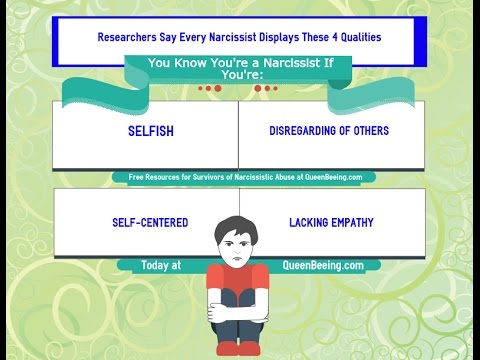
- Grandiosity: This is the big one! People with NPD tend to have an inflated sense of self-importance. They might think they’re better than everyone else or that their achievements are way more impressive than they actually are.
- Need for Admiration: You know that feeling when you just want someone to notice your hard work? Well, for someone with NPD, this need can become extreme. They often crave constant praise and affirmation.
- Lack of Empathy: This means not really being able to understand or care about others’ feelings. Picture someone who always talks about themselves without noticing when their friends need support—that’s a common vibe.
- Sensitivity to Criticism: Even the smallest bit of feedback can feel like a personal attack for these folks. They might respond with anger or disdain instead of reflecting on what’s been said.
Now, here’s where things get interesting. According to the DSM-5, you don’t just need one or two of these traits—you really should exhibit five or more from a list that includes several others like arrogance and envy.
Think about this: Imagine someone at work who constantly takes credit for team efforts but gets furious if anyone says something negative about them. That could be an example of NPD in action.
Anecdote time! I remember a friend who always needed attention in our group—like everything was a competition for their spotlight. If we talked about our weekend plans, they would twist it into how much more exciting theirs were! At first, it was kind of funny, but over time it felt draining because they never cared how we felt.
Identifying these behaviors can help you understand not just the disorder itself, but also how it shows up in real life interactions and relationships.
And another thing—it’s important to note that having some narcissistic traits doesn’t mean someone has NPD; many people have little bits of narcissism without fitting the full criteria. Life is all about balance after all!
So yeah, understanding Narcissistic Personality Disorder through the DSM-5 gives us some insights into tricky behaviors and helps make sense of how certain people interact with others in less-than-great ways. Knowing this stuff helps create awareness and maybe even some compassion as you navigate relationships with people who may show these traits!
Understanding the 9 Criteria for Narcissistic Personality Disorder: A Comprehensive Guide
Narcissistic Personality Disorder (NPD) can be a tricky concept to grasp. It’s one of those terms you hear thrown around, but what does it actually mean? Basically, it’s a mental health condition where someone has an inflated sense of their own importance and a deep need for excessive attention. The American Psychiatric Association lays out specific criteria to diagnose it in the *Diagnostic and Statistical Manual of Mental Disorders* (DSM-5).
Let’s break down the nine criteria for NPD:
- Grandiosity: This isn’t just thinking you’re pretty cool; it’s an exaggerated sense of self-importance. You might feel superior to others and expect to be recognized as such, even without any real achievements backing it up.
- Need for Admiration: People with NPD crave constant praise and attention. It’s like they’re on stage all the time, yearning for applause. If they don’t get it, they can feel pretty let down or even angry.
- Lack of Empathy: This one’s huge. Many folks with narcissism struggle to understand or care about other people’s feelings. It’s as if they’re in their own bubble where only their emotions matter.
- Sense of Entitlement: Ever met someone who just expects things to go their way? That’s part of this criterion. They believe they deserve special treatment, whether it’s at work or in personal relationships.
- Exploitativeness: Narcissists often take advantage of others to get what they want. They might manipulate situations or people without feeling guilty about it!
- Envy: A classic sign is being jealous when others achieve something. Instead of celebrating with them, a narcissist might feel threatened or resentful.
- Arrogance: This could look like behaving in a haughty manner or belittling others. It’s almost like trying to make themselves feel bigger by putting other people down.
- Pretentious Behavior: Many narcissists have this tendency to flaunt their accomplishments or possessions, often exaggerating them! Like that friend who always talks about their fancy car as if it’s the best thing ever made.
- IDealization vs Devaluation: In relationships, they may set someone on a pedestal one moment and then tear them down the next. It creates this intense rollercoaster feeling that can be exhausting!
Understanding these traits helps shed light on why people with NPD might act the way they do and how those behaviors affect relationships around them.
It’s important to keep in mind that anyone can show some level of narcissistic traits occasionally; however, if these criteria are consistently present and interfere with everyday life, that’s where it gets serious.
So next time you come across someone who seems larger than life but doesn’t quite connect with those around them emotionally—well—you might just recognize some of these traits at play!
Understanding the Removal of Narcissistic Personality Disorder from DSM-5: Implications and Insights
So, here’s the deal with Narcissistic Personality Disorder (NPD) and its status in the DSM-5. You might be scratching your head, wondering why it was even removed or what it means for people dealing with narcissism. Let’s break this down into bite-sized pieces.
Narcissistic Personality Disorder used to be classified under personality disorders, which means it had specific traits that defined it. People with NPD often came across as grandiose, needing admiration, and having a lack of empathy. For instance, you might know someone who always talks about their achievements without caring much about others’ feelings—classic narcissistic behavior.
Now, the removal of NPD from the DSM-5 isn’t so much about saying “Hey, this disorder doesn’t exist anymore.” It’s more about how we understand and categorize mental health issues these days. The DSM-5, you see, is like the go-to manual for mental disorders that professionals use to diagnose patients. Removing a diagnosis can have all sorts of implications—for research, treatment approaches, and how society views those who exhibit narcissistic traits.
One big implication is how we’re recognizing that narcissism exists on a spectrum. Instead of slapping a label on someone as «narcissistic,» there’s a growing appreciation for understanding behavior in context. Maybe they’re acting out because they’ve faced some childhood trauma or never learned empathy skills—who knows? This shift can lead to more nuanced approaches when talking about social interactions and relationships.
Another point is that removing NPD from the DSM-5 invites us to look at narcissism in everyday life differently. Most people exhibit some narcissistic traits at various points—think of that friend who can’t stop bragging or the coworker who needs constant validation. This doesn’t mean they have NPD; it just shows that these behaviors are human!
The insight here is crucial: understanding narcissism as part of human behavior rather than as a rigid diagnosis allows for compassion and better communication strategies. Like if you find yourself dealing with someone who’s got strong narcissistic tendencies, maybe approaching them with curiosity rather than labeling them could open up healthier dialogues.
And then there’s treatment—without the NPD label, therapists are pushed to adapt their strategies more flexibly. Instead of focusing solely on «fixing» a disorder based on criteria set long ago, they might work towards enhancing skills like empathy or self-awareness instead.
But don’t get me wrong—it doesn’t mean people suffering from severe cases of what we used to call NPD shouldn’t get help! They absolutely do need support tailored to their unique experiences—which is hopefully what we’re moving toward.
So yeah, while removing Narcissistic Personality Disorder from the DSM-5 may seem baffling at first glance, it’s really about evolving our understanding of human complexities—and hopefully fostering more effective ways to help people navigate their relationships without getting bogged down by labels! You follow me?
Narcissism is one of those topics in psychology that can feel a bit like peeling an onion. You start with one layer, and before you know it, you’re crying over all the complexities hidden inside. You might have come across someone who just seems to love themselves a little too much—like that friend who posts selfies every day with captions about how amazing they are. They could be showing signs of narcissism, but it’s not as cut-and-dry as it may seem.
So, what’s the deal? In psychology, narcissism is often linked to a personality disorder called Narcissistic Personality Disorder (NPD). There are certain criteria that mental health professionals look for when diagnosing this. It’s not just about having a big ego; it involves patterns of behavior that affect relationships and daily life. Things like needing excessive admiration, lacking empathy for others, or being easily hurt by criticism.
You know, I remember a time when I had this coworker who seemed charming at first—it was hard to resist their charisma. But slowly, I noticed how they dismissed everyone’s ideas and constantly shifted conversations back to themselves. It felt draining after a while! That kind of behavior is classic for someone with narcissistic tendencies.
But here’s where it gets tricky: we all have some level of narcissism in us—it’s part of being human! It helps us build self-esteem and pursue goals. The line between healthy self-love and narcissism can be blurry. So when does it cross over? It usually boils down to how those behaviors impact your life and the lives of those around you.
It’s also worth mentioning that understanding narcissism isn’t just about labeling someone as “narcissistic” or “not.” There are degrees to this whole thing—it’s like a spectrum! Some people might display certain traits without meeting the full criteria for NPD. And sometimes, these traits can emerge out of insecurity or past trauma; it’s not always straightforward.
At the end of the day, recognizing these patterns can help us navigate our relationships better—whether we’re dealing with ourselves or others. Awareness is key! Acknowledging these dynamics might bring more compassion into your interactions too since everyone’s got their own struggles beneath the surface.
So yeah, while narcissism can make life complicated, it also opens up discussions on empathy and understanding—because really, who hasn’t struggled with wanting attention at times?