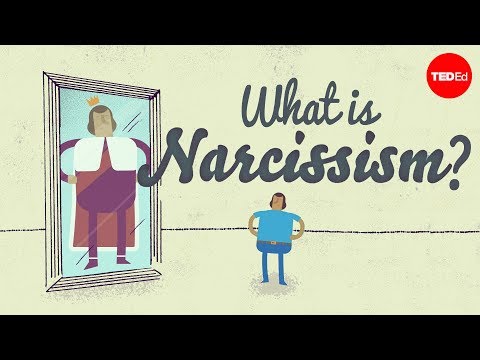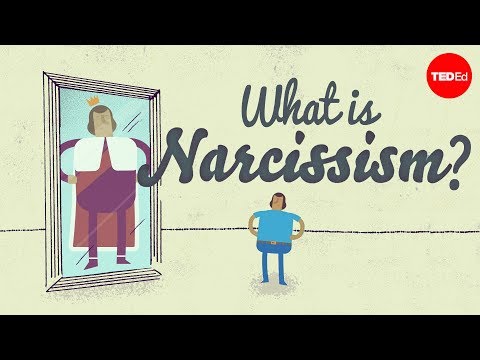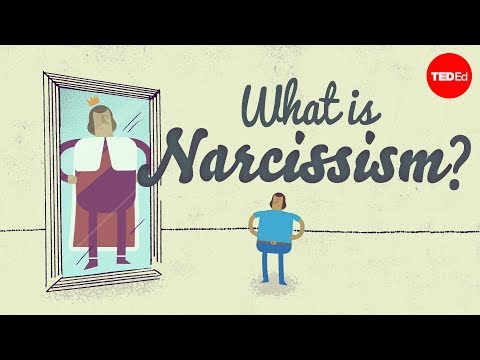
You know, narcissism is one of those terms that gets thrown around all the time. Like, have you ever had a friend who just couldn’t stop talking about themselves? Yep, classic narcissism right there.
But it’s not just about being self-absorbed. It can seriously mess with how people behave and relate to others. Imagine trying to connect with someone who only sees their own reflection—awkward, right?
It can get pretty tricky in relationships too. You might find yourself feeling drained or even second-guessing your worth. That can be tough!
So let’s dig into this a bit. What does it really mean for us as humans? What are the effects of narcissism, not just on individuals but on the people around them? Buckle up; it’s going to be an interesting ride!
Top Mistakes to Avoid When Dealing with a Narcissist: Essential Insights
When dealing with a narcissist, it’s super important to know what mistakes to avoid. These interactions can be tricky and, honestly, pretty draining, so let’s break down some essential insights.
1. Don’t Take It Personally
It’s easy to feel attacked when a narcissist belittles you or makes everything about them. But remember, their behavior stems from their own insecurities. Their need for validation doesn’t actually correlate with your worth. So instead of internalizing their words, try to distance yourself emotionally.
2. Avoid Arguing
You might think that if you can just explain your point well enough or present facts, they’ll change their mind. Not happening! Narcissists often get defensive and escalate arguments rather than engage in healthy debate. It’s like trying to reason with a brick wall—frustrating and pointless.
3. Don’t Give Them Power
Narcissists thrive on control and manipulation. When you let them dictate the terms of your interactions or give in too easily, it only empowers them further. Stand firm and set boundaries that protect your mental space.
4. Skip the Compliments
While it sounds counterintuitive—after all, who doesn’t love a good compliment? With a narcissist, over-praising can backfire big time. They may expect constant admiration and then become resentful if it ever falls short, leading to more toxic dynamics.
5. Stay Away From Emotional Appeals
Expressing your feelings in hopes of getting empathy? It usually doesn’t work with narcissists. Their lack of genuine compassion means emotional appeals often fall flat and might even lead them to manipulate your vulnerability against you.
6. Don’t Enable Their Behaviors
If you notice yourself adapting to fit their needs or allowing bad behavior just to keep the peace—stop right there! This kind of enabling behavior can reinforce the cycle of toxicity and make things way harder for you in the long run.
7. Limit Your Expectations
Expecting kindness or change from a narcissist is like waiting for rain in the desert—it’ll leave you frustrated every single time! Accept where they are at mentally so that you’re not constantly disappointed by their inability to meet emotional needs.
Being aware of these mistakes can seriously help when navigating relationships with narcissists. They won’t magically vanish from your life, but at least you’ll be better equipped to handle things without losing yourself along the way!
Understanding the Behavior of a Narcissistic Boyfriend: Signs and Insights
Understanding the behavior of a narcissistic boyfriend can be super confusing. One minute, everything feels perfect, and the next, you’re wondering if you’re even on the same planet. So what’s going on? Let’s break it down.
Narcissism is often about an inflated sense of self-importance, lack of empathy for others, and a deep need for admiration. But that’s just the surface. Someone with these traits might seem charming at first but then reveal a different side.
Common Signs to Look For:
- Excessive Need for Attention: Your boyfriend constantly seeks compliments or validation. It’s like he needs a cheerleader 24/7.
- Manipulation: If he often twists conversations to make you feel guilty or uncomfortable, that’s a red flag. It might feel like you’re always walking on eggshells.
- Lack of Empathy: If he brushes off your feelings or dismisses your concerns as unimportant, he’s probably not connecting with you emotionally.
- Grandiosity: Maybe he talks a lot about his achievements or expects everyone to recognize how amazing he is. It’s all about him in that moment.
- Jealousy and Control: He might get jealous easily or try to control aspects of your life—who you hang out with and what you do.
Imagine this: You’re excited about something awesome that happened at work, and when you share it, he immediately shifts the convo to his own accomplishments instead. That feeling of being unheard? Yeah, it’s pretty common with someone like this.
Now let’s touch on how this behavior affects relationships. When dating someone narcissistic, it can feel exhilarating at first due to their charm. But over time, their neediness can drain you emotionally—it’s like being in a one-sided relationship where your needs aren’t met.
The Cycle of Idealization and Devaluation:
This cycle often plays out in relationships with narcissists:
- Idealization Phase: At first, everything feels magical; they put you on a pedestal.
- Devaluation Phase: Once you’ve fallen hard for them, they start tearing you down—often subtly at first—and love begins to feel conditional.
It can really mess with your head! You go back and forth between feeling adored and feeling worthless—all because their mood swings dictate the relationship dynamics.
If you’re involved with someone who shows these traits, it’s crucial to take care of yourself too. Setting boundaries becomes vital! It helps protect your emotional well-being while navigating through their unpredictable behavior.
Ultimately, understanding these signs helps clarify what you’re dealing with. With awareness comes empowerment; sometimes it leads to making tough decisions about staying in or stepping away from that relationship altogether.
To sum up: Being aware of narcissistic tendencies can help you figure out if that relationship is worth sticking around for—or if it might be time to put yourself first for once!
Understanding Narcissistic Behavior: Legal Implications and Strategies for Navigating Relationships
Understanding narcissistic behavior is crucial for navigating relationships, whether they’re personal or professional. So, what’s it all about? Narcissism is more than just being a bit vain. It’s a personality trait, often characterized by an inflated sense of self-importance and a need for excessive admiration. People with this behavior can be charming and persuasive at first, but their underlying tendencies can lead to emotional turmoil in relationships.
Narcissists typically have some common behaviors. Here are a few:
- Grandiosity: They often believe they’re better than everyone else.
- Lack of empathy: Understanding others’ feelings just isn’t their strong suit.
- Manipulation: They might use others to get what they want.
- Fragile self-esteem: Despite their bravado, criticism can hit hard.
Think of it like this: imagine someone you know who always seems to dominate conversations and rarely lets anyone else share their thoughts. You throw out an idea, and they twist it to make it sound like theirs! Frustrating, right? That’s classic narcissistic behavior.
Now, when you’re dealing with someone who has these traits, the implications can be significant—especially from a legal perspective. In situations where narcissism causes conflict or abuse—like in family law or workplace settings—the consequences can be severe. There could be issues during custody battles or even harassment claims if the narcissist feels threatened or challenged.
But what does that mean for you? Well, one strategy might be setting firm boundaries. This isn’t just about saying “no.» It’s about making sure you protect your emotional space without feeling guilty about it.
Another important tactic is to manage your expectations. Narcissists may never change their behavior entirely; accepting this reality allows you to navigate interactions more effectively. You might not get the validation or support you crave from them—you know?, because that’s not really how they operate.
Communication also plays a key role. Try to keep things clear and straightforward when you’re dealing with a narcissist. Avoid emotional discussions; they might respond defensively or manipulative instead of understanding your point of view.
In personal relationships, sometimes walking away is the healthiest option if the impact on your mental health becomes too much. It’s tough! But sometimes letting go means opening up space for healthier connections down the road.
Ultimately, knowing how narcissism manifests in behavior helps you understand where you stand—and what steps to take moving forward. Dealing with individuals who exhibit these traits can feel like a rollercoaster ride—but having some tools and strategies in your back pocket really helps smooth out those bumps along the way!
Narcissism is one of those topics that can get a little tricky, but it’s something that pops up all over the place in our lives. You know how sometimes you meet someone who just seems to think the world revolves around them? That’s a classic trait of narcissism. It’s not just about being self-absorbed; it can really mess with relationships and how we interact with each other.
I remember this one time, a friend of mine got really close to this guy. At first, everything seemed perfect—he was charming, funny, and always had grand stories to tell. But as time went on, she realized he loved talking about himself way more than he loved listening to her. It was like she was only there to be his audience. Eventually, their relationship crumbled because she felt invisible.
Narcissistic behavior often leads to superficial connections. People influenced by narcissism might seem confident and charismatic at first glance, but that confidence is often masking insecurities and a deep fear of rejection or failure. They struggle with empathy too—like they’re so focused on their own needs and desires that they can overlook what others are feeling. So when conflicts arise or when someone else needs support, they often don’t respond well.
In relationships with narcissistic individuals, it’s common for people to feel devalued or manipulated. They might find themselves constantly trying to win approval or seeking validation from someone who just doesn’t give it back in return. If you’ve ever felt like you were putting in way more effort than the other person, it could be a hint of narcissism creeping in.
So what’s the deal? A bit of narcissism is normal; we all have moments where we focus on ourselves—it’s human! But when it becomes an overwhelming trait, it can create toxic environments where vulnerability is stifled and genuine connection takes a backseat.
Understanding this pattern can help us navigate our relationships better—you start recognizing when someone isn’t giving you what you need emotionally. And if you ever find yourself leaning into those narcissistic traits, maybe take a step back and think about how it affects those around you.
At the end of the day, cultivating empathy and practicing open communication are key for healthy relationships—both for ourselves and for others too.