You know, narcissism gets thrown around a lot these days. Like, we all know someone who just loves to talk about themselves, right? But there’s more to it than that.
Picture this: a friend constantly posts about their fabulous life on social media. They seem confident, but sometimes it feels like they’re just fishing for compliments. Ever felt that tug of annoyance?
Well, it’s not just about being self-absorbed. There’s some serious psychology behind it. Let’s break it down a bit.
Together, we’ll dive into what makes someone tick when they lean into narcissistic traits. You ready for this journey?
Exploring Narcissism: A Comprehensive Guide to Its Psychological Implications
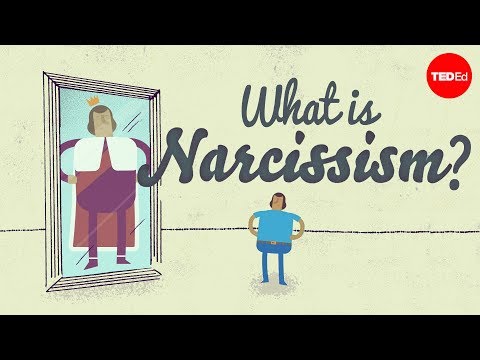
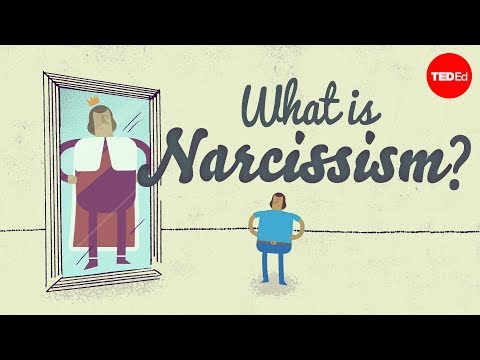
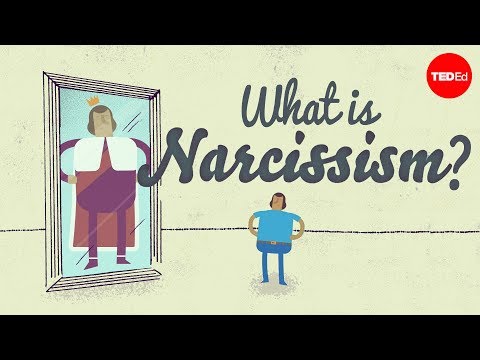
Narcissism is one of those terms we hear a lot, but do we really get what it means? Well, let’s break it down. At its core, narcissism isn’t just about someone who loves themselves a little too much. It’s a complex personality trait that exists on a spectrum, where some folks display mild narcissistic tendencies and others may have Narcissistic Personality Disorder (NPD).
So, what’s the deal with NPD? This is when someone’s narcissism is severe enough to impact their everyday life and their relationships. They often have an inflated sense of self-importance and a strong need for admiration. Imagine someone who constantly seeks compliments and becomes upset if they don’t get them. Yep, that’s a classic example.
When you think about the psychological implications of narcissism, it gets interesting. Here are a few key areas worth pondering:
- Relationship Struggles: Narcissists tend not to sustain meaningful relationships. Their need for validation can make partners feel undervalued or neglected.
- Empathy Deficits: Many individuals with high narcissistic traits struggle to empathize with others. They may dismiss other people’s feelings as unimportant.
- Coping Mechanisms: A lot of times, narcissists build their self-esteem on external validation; if they don’t receive it, they can become defensive or even angry.
Think about this: when was the last time you felt truly seen or heard by someone? For many people dealing with a narcissist, this feeling is rare. Instead of comfort or support during tough times, they might get criticism or indifference.
On top of that, there are different types of narcissism! It’s not just the flashy kind we often see in films and social media. There’s also **vulnerable narcissism**, where individuals might appear shy or insecure but still harbor those same self-centered thoughts deep down.
Now, how does one become a narcissist? Well, it seems that both genetics and environment play roles here. Some studies suggest that over-praising kids can lead to inflated self-worth down the line—think of those “everyone gets a trophy” scenarios! But it’s not solely about upbringing; there are likely biological factors at play too.
If you’re wondering about treatment options for those who struggle with severe narcissistic traits, therapy can be helpful but might take time since many don’t recognize their behavior as needing change—classic catch-22!
Understanding the gray areas of narcissism helps paint a fuller picture of human interaction. It reminds us how easy it can be to fall into patterns where our need for recognition overshadows empathy for others.
So next time you come across someone who seems overly focused on themselves—maybe even in your social feeds—just remember there’s probably more under the surface than meets the eye! You know?
Understanding Narcissism: A Comprehensive Definition and Overview in Psychology
Narcissism is one of those terms that gets tossed around a lot, but it’s not just about being vain or self-absorbed. In psychology, it has a more defined meaning. Basically, narcissism refers to an inflated sense of self-importance and a deep need for admiration from others. It’s tricky because we all have some narcissistic traits—like when you post a cute selfie or fish for compliments after an accomplishment—but it becomes problematic when these traits dominate a person’s life.
In the psychological context, there are different types of narcissism. The most discussed is **grandiose narcissism**, which involves high self-esteem, arrogance, and dominating behavior. Then there’s **vulnerable narcissism**, which might seem softer but can be just as damaging. People with this type often struggle with low self-worth and may react defensively if they feel criticized; their need for validation is still super strong.
Another interesting thing is how narcissism can exist on a spectrum. Some folks might show mild tendencies while others meet the criteria for Narcissistic Personality Disorder (NPD). This disorder isn’t just about being selfish; it affects relationships and the overall ability to function in everyday life.
People with NPD often relate poorly to others. They struggle to empathize, meaning they might not understand or care about how their actions impact those around them. For example, imagine someone who constantly demands attention at social gatherings but can’t grasp why their friends feel neglected or frustrated. It creates this cycle where healthy relationships become almost impossible.
You might be thinking that narcissists always believe they are amazing, but it’s not always sunshine and rainbows in their minds. Some live in fear of failure or being exposed as “not good enough.” So their confidence can be quite fragile underneath that tough exterior.
What’s fascinating is that cultural factors play a role too! Certain societies value individual achievement highly, potentially encouraging more narcissistic behavior in individuals as they chase success and recognition like it’s the ultimate prize.
So if you find yourself dealing with someone who seems overly obsessed with themselves or dismissive of your feelings and experiences, just know: you’re not alone! This pattern can be exhausting and frustrating for those on the receiving end.
To wrap up, understanding narcissism goes beyond surface-level behaviors; it dives into complex emotional patterns that shape how people connect (or fail to connect) with each other. It holds important clues about human relationships and highlights what happens when empathy takes a backseat to self-interest.
Key Points:
- Narcissism involves an inflated sense of self-importance.
- Grandiose vs Vulnerable: Two main types affecting personality.
- Spectrum: Can vary from mild traits to Narcissistic Personality Disorder.
- Lack of Empathy: A common trait leading to relationship struggles.
- Cultural Influence: Societal values can encourage or discourage narcissistic traits.
The deeper understanding of these dynamics offers us insight into better communication strategies and helps us navigate tricky interpersonal waters!
Narcissism vs NPD: Understanding the Key Differences and Implications
Narcissism and Narcissistic Personality Disorder (NPD) are terms that often get tossed around, but they’re not the same thing. So let’s break it down a bit.
Narcissism is a personality trait that everyone has to some degree. It involves having an inflated sense of self-importance and a deep need for admiration. You might know someone who can’t stop talking about themselves or needs constant validation from others. That’s classic narcissistic behavior.
On the other hand, Narcissistic Personality Disorder is more serious. It’s an actual mental health condition recognized by psychologists. People with NPD display extreme behaviors that disrupt their lives and relationships. They might have an overwhelming need for attention, lack empathy, and will often manipulate others to maintain their self-image.
One big difference here is severity. With narcissism, you might encounter someone who’s a bit self-centered but still functions well in life—like that friend who always has to be the center of attention during group chats without harming anyone’s feelings too much.
However, in NPD, we’re talking about behaviors that can really wreak havoc on relationships or work life. Imagine someone who constantly blames others for their failures or can’t handle criticism at all—because they see any feedback as a personal attack.
- Self-Esteem: Narcissists might have high self-esteem, while those with NPD often cover deep insecurities with grandiosity.
- Empathy: Typical narcissism doesn’t necessarily mean total lack of empathy; some can still feel some compassion. Those with NPD usually struggle with understanding others’ feelings.
- Relationships:The narcissist may have superficial friendships based on admiration, while NPD leads to toxic dynamics filled with manipulation.
Let’s say you have a coworker who always needs recognition for every small task they do—classic narcissism! But if this coworker dominates discussions, belittles others’ contributions, and refuses to acknowledge their mistakes? That could point toward NPD.
In relationships, it gets tricky too. A narcissist might enjoy being in love but also seek constant praise from their partner; it’s like they feed off admiration! With NPD, love can turn into something more possessive or controlling since everything revolves around maintaining their self-image.
While both traits share common ground in seeking validation and exhibiting ego-driven behaviors, the repercussions differ greatly based on intensity and impact on everyday life.
So understanding these differences isn’t just psychological trivia—it can help you navigate your own relationships better or even recognize patterns when they’re affecting your wellness significantly. Be aware of those traits so you can protect your emotional space!
Narcissism, man, it’s such a buzzword these days! You hear it everywhere, right? Someone calls another person “narcissistic” when they post a hundred selfies or seem overly into themselves. But like, the reality of narcissism goes way deeper than just being self-absorbed.
So, let’s backtrack for a sec. Narcissism is rooted in psychology and can be a pretty complicated topic. It isn’t just about someone who admires themselves in the mirror. It’s a whole personality trait spectrum that can range from mild to extreme forms—like Narcissistic Personality Disorder (NPD). People with NPD often struggle with self-esteem issues underneath that shiny exterior. It’s not always easy to see the cracks because they’re really good at putting on this facade of confidence and charm.
I remember this one time I was at a party, and there was this guy who just monopolized every conversation. He had this grand story about climbing Mount Everest and how he almost died but made it down safely while everyone else just stood there, rolling their eyes. The thing is, he wasn’t trying to be malicious or rude; he genuinely thought his stories were super impressive and entertaining. It’s like he needed that validation from everyone else to feel good about himself.
People who are high in narcissistic traits might actually struggle with empathy too—like finding it hard to connect with others’ feelings. They tend to focus on their own needs and interests more than what’s going on around them. It’s not always out of malice; sometimes it’s just because they might not have learned how to tune into others’ emotions growing up.
Research shows that narcissism isn’t something that’s set in stone either—it can change over time depending on life experiences and relationships. So when someone labels you a narcissist like it’s some kind of permanent badge, it kind of misses the point! Everyone has those days where they feel super self-focused or insecure; we’re all human after all.
What’s really wild is that while we often think of narcissists as people who are socially dominant or charmingly arrogant, there’s also this darker side—like vulnerability or deep-seated insecurity hiding behind the bravado. Understanding this allows us to see these traits more compassionately rather than just writing someone off as “that selfish person.”
In short, wrapping our heads around narcissism means looking beyond surface behaviors and trying to grasp what drives those behaviors at core levels—self-esteem struggles, relational dynamics, past trauma—you name it! Understanding this can help us approach relationships more patiently rather than throwing around labels carelessly.