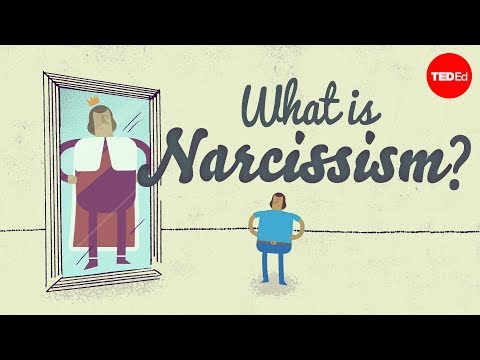
You know that friend who always makes everything about them? It can be pretty exhausting, right? Well, it might be a sign of something deeper.
Narcissism isn’t just a trendy buzzword. It’s a real thing, and honestly, it can mess with relationships.
So, what are those traits that scream «narcissist»? Let’s break it down. You’ll want to stick around if you’ve ever wondered why some folks seem to glow in the spotlight while others just fade into the background.
Understanding these traits can help you navigate tricky social waters or even reflect on your own behavior. Trust me; it’s worth digging into!
Understanding Narcissism: 12 Key Traits That Define a Narcissist
Understanding narcissism can be a bit tricky, but diving into some key traits can really help you grasp the core of what makes a narcissist tick. You might have encountered someone who just seems to revolve around their own universe, right? Here’s the scoop on some traits that often define these individuals.
1. Grandiosity is a classic hallmark. Narcissists usually believe they are better than everyone else. They might brag about their accomplishments like it’s an Olympic sport.
2. Need for Admiration. Picture this: they fish for compliments and often won’t stop until they get the praise they crave. It’s like they thrive on validation from others.
3. Lack of Empathy. This one’s huge. Narcissists struggle to recognize or care about other people’s feelings. So if you share a hard time, don’t expect much emotional support back.
4. Sense of Entitlement. They typically expect special treatment and may blow up if things don’t go their way. Ever seen someone throw a tantrum in public? Yeah, that’s not uncommon.
5. Exploitative Relationships. Narcissists often use others to reach their goals without any consideration for those people’s needs or feelings.
6. Arrogance. Their demeanor can be off-putting; think condescending remarks or acting superior at every possible turn.
7. Fragile Self-Esteem. Ironically, beneath all that bluster lies insecurity! They may react harshly to criticism because their self-worth is so closely tied to how others perceive them.
8. Envy. Narcissists frequently feel envious of others’ successes and may believe that others are envious of them too — it’s like a twisted mirror reflecting their own insecurities!
9. Attention-Seeking Behavior. They’ll do anything to be the center of attention — whether it’s dominating conversations or showing off on social media; it’s all about being in the spotlight!
10. Boundary Issues. Personal space? Not really in their vocabulary! Narcissists tend to ignore boundaries, assuming they can intrude into your life however they please.
11. Fantasy World. Many live in an imagined realm where they’re successful and admired all the time, escaping from reality when needed which sometimes leads to unrealistic expectations of themselves and others.
12. Hypersensitivity to Criticism. Even the mildest feedback can lead them to react defensively or lash out since they’re not equipped to handle anything less than total adoration.
Recognizing these traits doesn’t mean you have to label someone as a narcissist right away; after all, we all have our quirks! But knowing what these characteristics look like can help you navigate relationships with folks who might fit this mold better or appear toxic sometimes in your life dynamics! What do you think? Have you seen any of these in action before?
Understanding Narcissistic Traits in Women: Key Characteristics and Insights
Understanding narcissistic traits in women can be pretty complex, and there’s a lot to unpack. So, let’s break it down into bite-sized pieces, shall we?
Narcissism is often seen as one of those buzzwords we throw around, but in psychology, it actually refers to a specific set of personality traits. Women with these traits may showcase some common behaviors and attitudes that can be identifiable.
First off, they often exhibit a sense of grandiosity. This isn’t just feeling good about themselves; it’s when that self-esteem crosses over into believing they’re fundamentally better than others. Imagine someone who walks into a room and seems to think they should be the center of attention—like, all the time. They might dominate conversations and steer things back to themselves regularly.
Next up is the lack of empathy. Now, this doesn’t mean they’re robots without feelings; it’s more about being so focused on their own needs that they struggle to connect with what others are experiencing. You know how sometimes a friend might need support, but instead of being there for them, they just keep talking about their own problems? That can be a sign.
Another telltale sign is the need for admiration. It’s not just about wanting compliments now and then; it’s almost like air for them. They crave recognition and validation from others constantly. Think about someone who posts on social media really seeking likes or praise—it feels like every picture posted needs thousands of hearts to satisfy their hunger for approval.
So how do these traits show up in real life? You might notice some women with narcissistic tendencies tend to engage in dramatic relationships or friendships because that drama feeds into their need for attention and validation. If you’ve ever seen someone create conflicts or cling onto toxic friendships just to stay at center stage—even if it’s negative attention—that’s a prime example.
Entitlement also plays a big role here. Some women might believe they’re owed special treatment simply because they exist or believe they’re more deserving than others. Picture someone always expecting the best table at a restaurant without reservations—that attitude can reflect deeper narcissistic beliefs.
The thing is, while recognizing these traits can help you understand someone’s behavior better, it’s super important not to label everyone who shows one or two signs as fully narcissistic. Everyone has quirks! It becomes narcissism when these characteristics become pervasive and interfere with relationships and daily functioning.
In conclusion—or not really a conclusion since this topic is vast—understanding these traits helps us navigate relationships better. When you spot certain red flags like grandiosity or an unquenchable thirst for admiration in women (or anyone), just remember there could be more going on beneath the surface. With awareness comes understanding…and sometimes even compassion!
Understanding Narcissistic Behavior: Legal Implications and Insights
Understanding narcissistic behavior can feel a bit like trying to untangle a big ball of yarn. It’s complex, and there are so many threads to follow. Let’s break it down into some key insights and legal implications, because understanding how this plays out in real life is super important.
First off, what is narcissism? In simple terms, it’s when someone has an inflated sense of self-importance and a deep need for admiration. But, you know, it doesn’t just stop at being self-centered. It often includes a lack of empathy for others. Just think about that person who always talks about themselves but never really asks how you are doing—that’s a classic sign.
You might notice some specific traits in people who exhibit narcissistic behavior:
- Grandiosity: They often believe they’re special or unique.
- Manipulativeness: They might charm you at first, but their motives aren’t always clear.
- Entitlement: They often expect special treatment or have trouble accepting criticism.
- Lack of empathy: This means not really being able to connect with what others feel.
Now, let’s talk about the legal implications. If you ever find yourself dealing with someone who shows these traits in settings like workplaces or personal relationships, it can lead to serious issues. Think about situations like harassment or bullying—narcissistic individuals may often engage in manipulative behaviors that can leave others feeling powerless or confused.
For instance, if someone constantly undermines their colleagues to climb the corporate ladder, that could potentially lead to legal repercussions for workplace harassment. That sense of entitlement paired with sheer disregard for others could land them in hot water pretty quickly.
One classic example is the “toxic workplace” scenario where a boss exhibits narcissistic traits. Employees might feel trapped or undervalued—a situation that sometimes leads to lawsuits regarding hostile work environments. It’s not just job stress; it’s actionable stuff!
What’s equally important is understanding how this affects relationships—be it personal or professional. A partner who displays these traits may be emotionally abusive without even realizing the damage they’re causing. It’s tough when you’re involved with someone who has these tendencies because navigating such dynamics can leave scars.
Also, keep in mind that not every behavior you see is down to full-blown narcissism. Some people may have certain traits without fitting into the clinical definition of Narcissistic Personality Disorder (NPD). Understanding where someone falls on this spectrum helps illuminate their behavior but also informs how we respond.
In short, recognizing narcissistic behaviors gives us insight into the complex human experience while also highlighting critical legal ramifications when boundaries get crossed. You know? It empowers us to protect ourselves and maybe even have some compassion for what they might be struggling with beneath the surface—while still holding them accountable for their actions!
So next time you’re dealing with someone like this—or just curious—you’ll have a better grasp of what’s happening under all that self-importance!
You know, we all have that one person in our lives who just seems to suck up all the air in the room. Like, they can be charming and charismatic, but there’s also something a little off about them. Maybe you’ve heard the term «narcissistic» thrown around, and it got me thinking—what does that actually mean?
Narcissistic traits can show up in a lot of ways. Picture someone who constantly seeks admiration or attention, often talking about their achievements like they’re on a never-ending highlight reel. It’s like they have this need to feel special or superior all the time. And honestly, it can be exhausting for those around them.
I remember this one time in college when I had a friend who could charm anyone. Everyone loved her; she was funny and smart. But if you looked closer, well, it was clear she had her moments. She would dominate conversations and barely let anyone else get a word in. If you ever shared good news or an achievement, she’d somehow shift the focus back to herself within seconds! At first, it seemed harmless, but over time it really wore on everyone.
But here’s where it gets tricky: not everyone with narcissistic traits has full-blown narcissistic personality disorder (NPD). That’s a whole different ballgame involving patterns that seriously affect someone’s relationships and functioning. You might find people with NPD lack empathy—like they just can’t grasp how their actions affect others emotionally.
Another hallmark sign? They often deflect criticism like it’s some kind of superhero shield. It’s as if admitting they’re wrong would shatter their whole self-image! You’ve probably noticed that one person who just can’t handle being told “no”—it feels like you’re walking on eggshells around them.
What’s wild is that these traits can sometimes stem from deep-seated insecurities or past experiences where self-worth was tied to external validation. So while you might find yourself rolling your eyes at someone overly self-involved, there might be more behind the scenes than meets the eye.
Ultimately, recognizing these traits isn’t just about labeling someone as “narcissistic.” It’s also about understanding how to navigate relationships with those folks—keeping your own emotional balance while dealing with their magnetic personalities or challenging behaviors.
So next time you’re caught in a conversation where someone’s hogging the spotlight or brushing off your feelings like they’re nothing… well, now you might see why! Just remember to keep your boundaries strong and don’t get sucked into that black hole of self-absorption!