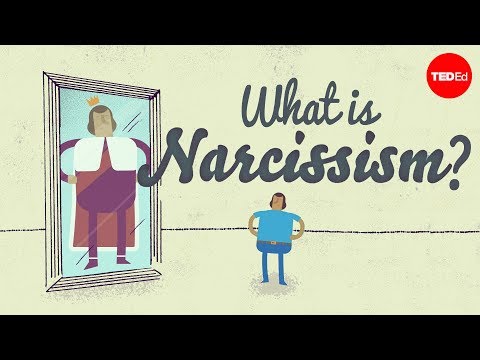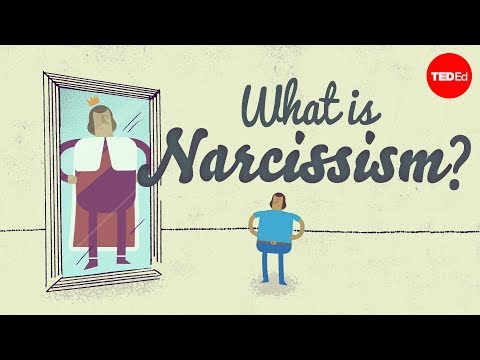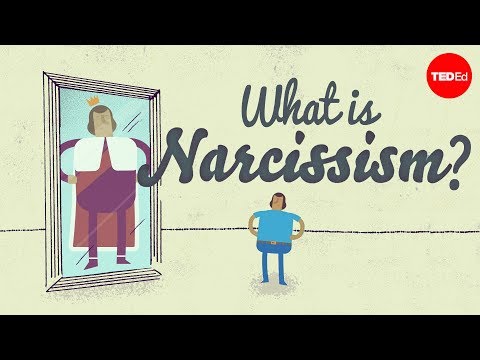
Okay, so let’s talk about narcissism. You know, that thing we often associate with people who just can’t stop talking about themselves? But it’s way more complicated than just being a self-absorbed show-off.
It turns out narcissism isn’t black and white. There are different shades to it, kinda like how we all have good days and bad days. Some folks have a little narcissist in them, while others go all in.
And then there’s self-perception—how we see ourselves versus how we think others see us. That whole dance can get messy. Seriously, one minute you’re feeling on top of the world, and the next… well, not so much.
So let’s dig into this psychological landscape together! It might just change how you think about yourself and those around you.
Self-Awareness and Healing: A Guide for Narcissists Seeking Personal Growth
Self-awareness is a big deal when it comes to healing, especially for narcissists looking to grow and change. It’s like looking into a mirror and finally seeing what’s really there. So let’s break this down.
Understanding Narcissism
Narcissism isn’t just being self-absorbed. It can show up in different ways. You might think highly of yourself, crave admiration, or struggle with empathy. Like, remember that friend who always turned conversations back to themselves? Yeah, that’s a kind of narcissism.
But here’s the twist: not all narcissists are the same. Some may have an inflated sense of self-worth, while others might feel insecure beneath that shiny surface. Knowing where you fit can be the first step toward self-awareness.
Why Self-Awareness Matters
Self-awareness means recognizing your thoughts, feelings, and behaviors without judgment. This is super important for healing because it helps you see the impact of your actions on others. Imagine having a bad day and snapping at someone you care about without realizing how much it hurts them. If you’re self-aware, you can catch yourself mid-snap and maybe even apologize.
- Increased Empathy: When you understand yourself better, it becomes easier to understand others. You start to notice how your actions affect those around you.
- Avoiding Defensiveness: Self-awareness can help reduce defensiveness when someone points out your flaws. Instead of feeling attacked, you might be more open to feedback.
- Better Relationships: The more you know about yourself, the better your connections with friends and family could become.
The Journey Toward Healing
Healing isn’t just about acknowledging issues; it’s also about taking action. Here are some ways narcissists can work on personal growth:
- Journaling: Writing down your thoughts allows for reflection. You could start with prompts like “How did I feel today?” or “What was I grateful for?” This makes it easier to connect with your feelings.
- Meditation: Spending even five minutes a day in quiet reflection can increase self-awareness over time. This helps clear out some of that mental clutter!
- Taking Feedback: Ask trusted friends how they perceive you—just make sure they know you’re serious about wanting honest feedback! It’s scary but incredibly revealing.
Anecdote Time!
I once knew someone who struggled with this kind of stuff—a total narcissist in their own way, always bragging about their achievements but never really listening to anyone else. One day they found an old journal from high school filled with insecurities and fears that they’d buried under bravado for years! That discovery sparked something in them—a desire to delve deeper into why they felt the need to create this perfect façade.
Pitfalls in Self-Awareness
It’s important not to get stuck in negative thought patterns while working on self-awareness. Being overly critical of yourself can lead right back into defensive behavior patterns again! Instead of spiraling into shame or guilt over past actions, focus on learning from them.
Remember: healing doesn’t happen overnight; it’s a process filled with ups and downs! Be patient with yourself—growth takes time.
In summary: cultivating self-awareness is key for anyone grappling with narcissistic tendencies who wants personal growth. It’s like peeling back layers on an onion—each layer brings tears but also reveals something beautiful underneath!
Exploring the Narcissistic Self: Understanding Background, Extended Agency Models, and Current Controversies in Legal Contexts
Narcissism is one of those terms we hear a lot, right? You might think of someone who’s overly self-involved, always posting selfies and bragging about their achievements. But it goes deeper than that. Narcissism isn’t just a personality trait; it’s a complex psychological landscape that can influence behaviors and self-perception in multiple ways.
So, let’s break down the background. Originally, the idea came from Greek mythology—the story of Narcissus, who became so enamored with his reflection that he couldn’t pull away from it. This obsession manifests itself today as a personality disorder—known as Narcissistic Personality Disorder (NPD). People diagnosed with NPD often show patterns of grandiosity, a need for admiration, and a lack of empathy.
Now, when we look at extended agency models, we’re diving into how these narcissistic traits affect decision-making processes. Imagine someone who thinks they’re superior to everyone else—this mindset could lead them to make choices without considering others’ feelings or viewpoints. They might feel entitled to special treatment or disregard rules because they believe they’re above them. Yikes!
And there are current controversies too! Like in legal contexts. Some argue that narcissism may play a role in criminal behavior or even corporate fraud. For instance, if someone feels invincible due to their narcissistic traits, they might engage in illegal activities without fearing consequences. There’s this ongoing debate: should narcissists be held fully accountable for their actions? That raises so many questions about morality and mental health.
But here’s where it gets even more interesting—narcissism isn’t always black and white. It can exist on a spectrum, meaning some people might have healthy self-esteem while others drift into harmful narcissistic tendencies. Basically, if you have some confidence and love yourself a bit more than average—that’s normal! But when it turns into an obsession with self-charm at the expense of others? That’s when things get dicey.
Also, did you know that empathy plays an essential role here? Narcissists often struggle with understanding others’ emotions deeply. This lack can cause conflict in relationships because they might dismiss your feelings or constantly shift conversations back to themselves.
In summary:
- Narcissism runs deep—it affects both self-perception and how people interact with others.
- Narcissistic Personality Disorder (NPD) impacts decision-making through grandiosity and entitlement.
- Legal debates emerge about accountability for individuals displaying extreme narcissistic traits.
- Narcissism exists on a spectrum, ranging from healthy self-appreciation to harmful obsession.
- Empathy deficits can create issues in personal relationships for people with high levels of narcissism.
Ultimately, understanding the nuances behind narcissism helps us navigate our interactions better—be it in friendships or workplaces—and maybe opens up discussions around mental health that are desperately needed!
The Impact of Self-Awareness on Narcissistic Individuals: Understanding the Transformation
Self-awareness can be a game-changer, especially when it comes to narcissistic individuals. So, let’s break this down a bit. Narcissism isn’t just about being vain; it’s often rooted in deep insecurities and that need for validation. But when self-awareness steps in, things can really shift.
First off, what is self-awareness? Well, it’s that ability to reflect on your own thoughts and feelings. If you’re aware of your strengths and weaknesses, you’re more likely to understand how your actions affect others. For narcissists, who tend to be overly focused on themselves, this awareness might not come naturally.
Now imagine a person who’s always bragging about their accomplishments or expecting constant admiration. This can look pretty typical for someone with narcissistic traits. However, when they start developing self-awareness—maybe through therapy or a significant life event—they might begin to see the bigger picture.
- Greater empathy: Self-aware narcissists often develop a better understanding of other people’s feelings. This could lead them to be less selfish over time.
- Improved relationships: As they recognize how their behavior impacts others, they may start modifying their actions—like showing genuine interest in friends instead of just talking about themselves.
- Authentic connections: With increased self-awareness comes the chance for real relationships. They might replace superficial interactions with deeper ones.
Think about someone you know who always seems to turn conversations back to themselves—annoying, right? Now picture this same person suddenly realizing how off-putting that is! If they start working on being more aware of their tendencies, they might not only change their behavior but also enhance their connections with others.
However, it’s worth noting that not every narcissist will embrace self-awareness positively. Some might resist it entirely because facing the truth can be uncomfortable or even threatening. That denial can keep them stuck in those old patterns of dissatisfaction and conflict.
It’s like peeling an onion—the more layers you strip away with self-reflection, the more likely you’ll encounter some tears along the way! But if a narcissist commits to this journey instead of running from it? Well then transformations are possible.
In summary, while many people may think of narcissism as fixed and unchanging, self-awareness offers a path toward personal growth and healthier interactions for those willing to walk it. It takes courage. But perhaps for some individuals caught in the web of their own egos, discovering those hidden layers could lead to something truly rewarding: genuine connection with themselves and others around them.
You know, narcissism can feel like this puzzling mix of confidence and insecurity. Imagine someone who struts into a room like they own the place, but deep down, they’re just trying to mask feelings of inadequacy. It’s fascinating how self-perception plays a huge role in all this.
So, picture a time when you met someone who seemed so sure of themselves. They had that magnetic charm that could light up the entire room. But if you scratched the surface just a little bit, you’d find they were constantly fishing for compliments or getting super defensive over the smallest criticism. That’s where narcissism rears its head—often wrapped up in bravado but fragile at its core.
What’s even more interesting is how society sometimes rewards these traits. We tend to admire winners, right? Those bold personalities often get all the attention. But then there’s this underlying problem: when self-worth hinges on external validation, it creates this endless cycle of needing more and more praise while feeling hollow inside.
Think about social media for a moment. It amplifies this dynamic; people curate their lives to look perfect online while battling insecurities in private. It’s like everyone’s caught in this game where self-perception gets twisted by what others think or say.
And then there’s empathy—something that seems to slip through the cracks for some narcissistic individuals. You can almost feel sorry for them because their inability to connect deeply with others can leave them isolated. They might chase after success and admiration but miss out on genuine relationships.
Ultimately, navigating this psychological landscape isn’t just about calling people narcissists or not; it’s about understanding how complex self-perception really is. We all have a bit of insecurity within us and striving too hard for an inflated sense of self can lead us down some dark paths—both for ourselves and those around us. So yeah, it’s quite the human experience!