Alright, let’s talk about something that’s kinda wild—narcissism. You know, that thing where someone just can’t seem to stop talking about themselves?
Narcissistic Personality Disorder, or NPD for short, is more than just a big ego. It can seriously mess with relationships and how someone navigates the world.
Ever had a friend who is super charming one minute but then totally self-absorbed the next? Yeah, that might have some NPD vibes going on.
In this chat, we’ll peek into what the DSM-5 says about it. And trust me, it’s not just a bunch of fancy terms!
You’ll get real insights that make understanding this disorder way easier. So, let’s jump in!
Understanding Narcissistic Personality Disorder: Insights from the DSM-5
Narcissistic Personality Disorder, or NPD, is one of those terms you hear often, but it can be a bit murky. Basically, it’s a personality disorder where someone has an inflated sense of their own importance and a deep need for admiration. If you’re trying to get your head around it, the DSM-5 (that’s the Diagnostic and Statistical Manual of Mental Disorders) lays out some pretty clear criteria.
So here’s the thing: people with NPD often exhibit certain traits that affect their relationships and overall functioning. They might seem charming at first, but there’s usually more beneath the surface. Emotionally, they can struggle to show empathy or concern for others. Let’s break down some key characteristics according to the DSM-5.
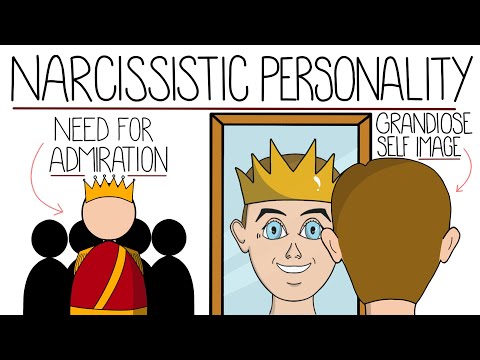
1. Grandiosity: This might show up as an exaggerated sense of self-importance. Think about someone who always needs to be the center of attention or constantly brags about their achievements—even if they’re not as grand as they claim.
2. Need for Admiration: Folks with NPD crave compliments and validation quite intensely. If they don’t get that praise? Well, their mood can take a nosedive pretty quickly.
3. Lack of Empathy: This is huge! They often have trouble recognizing or caring about other people’s feelings or needs. You might find yourself sharing something personal only to have them completely redirect the conversation back to themselves.
4. Sense of Entitlement: People with NPD may feel they deserve special treatment or that rules don’t really apply to them—like cutting in line because they think their time is more valuable than anyone else’s.
5. Exploitative Behavior: They might take advantage of others to achieve their own goals without feeling guilty about it.
Now here’s where it gets complicated: many people do display **narcissistic traits** at times, especially in our fast-paced social media culture where showing off can feel normal. But for someone with a full-blown personality disorder? These traits are persistent and typically cause significant issues at work, in friendships, and romantic relationships.
Let’s say you’re friends with someone who has NPD; you’ve probably noticed how conversations tend to circle back to them endlessly—like a roller coaster ride that only goes one way! It could leave you feeling drained because your experiences just don’t seem important enough in comparison.
The diagnosis often comes later in life because it typically involves long-term patterns of behavior that develop over years—this isn’t just some phase someone goes through! And while therapy can help manage symptoms and improve interpersonal skills, there tends to be some resistance since acknowledging imperfections doesn’t come easy for these individuals.
In short, **Narcissistic Personality Disorder** is like viewing life through a funhouse mirror—you see everything distorted! With awareness and understanding though—whether it’s for yourself or someone close—it becomes easier to navigate interactions and foster healthier dynamics when dealing with narcissism-related challenges in everyday life.
Understanding the Removal of Narcissistic Personality Disorder from the DSM: Key Reasons and Implications
Narcissistic Personality Disorder (NPD) has been a hot topic in mental health circles. Recently, the discussion about its removal from the DSM has gained traction. This change doesn’t happen overnight. It’s based on a variety of factors that deserve a closer look.
First off, let’s talk about the reason behind NPD’s removal. It seems that many professionals are questioning whether NPD is a distinct disorder or more of a collection of traits. Some argue that it overlaps with other personality disorders, making it a bit fuzzy around the edges. You know how when you mix colors and they become more like a shade than distinct hues? That’s kind of what experts are seeing with NPD.
Another key point is the focus on dimensional models. In simpler terms, instead of viewing personality disorders as strict categories with clear lines, researchers are leaning towards thinking of them as existing on a spectrum. Like how introversion and extroversion aren’t purely separate but exist on different points along a line. This shift emphasizes that traits can vary in degree and intensity.
Then there’s the fact that not everyone with narcissistic traits meets the full criteria for NPD. It’s like that friend who always needs to be center stage but doesn’t necessarily have full-blown narcissism. Professionals have noted this nuance, leading to discussions about whether we should label these individuals as having a disorder.
Implications? Well, if NPD is removed from the DSM, it could change how people understand narcissism in general. For instance:
- Treatment approaches: Therapists might need to rethink how they address narcissistic behaviors in clients.
- Diagnosis accuracy: Clinicians may start focusing more on specific symptoms rather than fitting people into rigid categories.
- Societal understanding: People might begin to view narcissistic behaviors less as “disorders” and more as traits everyone has to some extent.
Imagine discussing someone who often seeks validation or displays self-centered behavior – under these new ideas, it might be seen more as part of being human rather than as having an illness.
In summary, removing Narcissistic Personality Disorder from the DSM highlights growing questions about what truly constitutes mental disorders and encourages deeper exploration into human behavior. We’re stepping away from labels and diving into understanding people better in all their complexities! You see this shift can lead us toward healthier conversations about personality traits while still acknowledging when they become problematic. The journey ahead looks interesting!
Understanding Insight in Individuals with Narcissistic Personality Disorder: Key Perspectives
Understanding insight in individuals with Narcissistic Personality Disorder (NPD) can be a bit of a tricky subject. Basically, insight refers to a person’s ability to understand their own thoughts, feelings, and behaviors. It’s like holding a mirror up to yourself and actually seeing what’s there. You know, not just the reflection but also what’s going on inside.
Now, with people who have NPD, that mirror can be pretty foggy. They often lack the self-awareness that most of us take for granted. This is due to a combination of factors like inflated self-esteem and an intense need for admiration. So yeah, they might think they’re pretty awesome—often way more than they actually are.
Here are some key perspectives on insight relating to NPD:
- Defensive Mechanisms: These individuals use defense mechanisms like denial and projection to shield themselves from uncomfortable feelings or realities. For example, if they fail at something, they might blame others instead of considering their own role in it.
- Lack of Empathy: People with NPD typically struggle with empathy, which is the ability to understand and relate to others’ emotions. Without this skill, reflecting on how their behavior affects others becomes really hard.
- Fragile Self-Esteem: While they may appear super confident on the outside, their self-esteem can be very fragile. This means any criticism feels like an attack—so instead of learning from it, they may react defensively.
- Cognitive Dissonance: They often experience cognitive dissonance—a fancy term for feeling discomfort when holding two conflicting beliefs at once. For instance, they might think they’re perfect but also deep down feel insecure about their abilities.
- Therapeutic Challenges: In therapy settings, gaining insight can be particularly challenging because these individuals might resist acknowledging any flaws or faults in themselves.
A story comes to mind about someone I knew who had these narcissistic traits. Let’s say his name was Mike. Mike always talked about his success at work and how everyone admired him; however, he often felt lonely during his lunch breaks because he couldn’t connect deeply with anyone. It was almost like he was missing that link—which is exactly what happens when there’s a lack of insight into one’s own emotional needs.
In summary, gaining insight while dealing with Narcissistic Personality Disorder isn’t straightforward at all—there are layers upon layers at play here! The thing is that recognizing these patterns isn’t just about helping individuals understand themselves better; it’s also essential for improving their relationships with others too!
Narcissistic Personality Disorder (NPD) can sometimes feel like one of those complicated puzzles, you know? The DSM-5, which is this big book that mental health professionals turn to for guidance, lays out a set of criteria for diagnosing it. But the thing is, it’s not just a list of symptoms; it’s more about how these traits affect someone’s life and their relationships.
Picture this: you meet someone who seems to radiate confidence and charisma. They’re charming at first—you get drawn in by their energy. But then you start noticing that the conversation always circles back to them. It’s like being on a rollercoaster that only goes in one direction: up! Fun at first, but eventually just exhausting, right? That’s a glimpse into the world of narcissism.
The DSM-5 describes NPD as characterized by things like an inflated sense of self-importance, a need for excessive admiration, and a lack of empathy for others. But here’s where it gets tricky: there are degrees to this. Some folks might display strong narcissistic traits but not hit all the marks needed for diagnosis. You might see hints of it in people around you—maybe they brag about achievements without considering how others contributed or seem genuinely puzzled when their actions hurt someone else’s feelings.
What’s interesting is understanding that behind that confident facade often lies insecurity or fear. It’s like wearing a mask—overcompensation can be their go-to coping mechanism. I once had a friend who was super fun but would switch from charming to defensive at the drop of a hat if someone challenged him or didn’t validate his experiences. I think he was dealing with some deeper issues he wasn’t even aware of.
Examining NPD through the lens of the DSM-5 helps pinpoint those behaviors, but it also invites compassion for what drives them. While recognizing patterns is vital, remembering that every person has layers makes all the difference in how we interact with them—whether we’re trying to understand them better or deciding how much we want their drama in our lives! Because at the end of the day, engaging with narcissistic individuals can be really tricky; boundaries become essential when you’re faced with someone who struggles with empathy.
So yeah, NPD isn’t just about being self-centered—it’s this complex interplay between behavior and underlying emotions that’s worth taking time to understand better.