You know those folks who just seem to think the world revolves around them? Yeah, that’s what we’re talking about here. Narcissistic personality traits can really shape how someone interacts with others, and not always in a good way.
So, if you’ve ever scratched your head wondering why a friend or family member seems to be all about themselves, you’re not alone. Our good old DSM-5 has some insights on this.
In this chat, we’ll break down what constitutes narcissism according to the experts. It’s simpler than you might think! We’re diving into traits that can help you spot these behaviors in everyday life—without all the fancy jargon.
Get comfy; we’re about to explore this fascinating—and sometimes frustrating—aspect of human behavior together!
Understanding DSM-5 Narcissistic Personality Disorder: Comprehensive PDF Guide and Insights
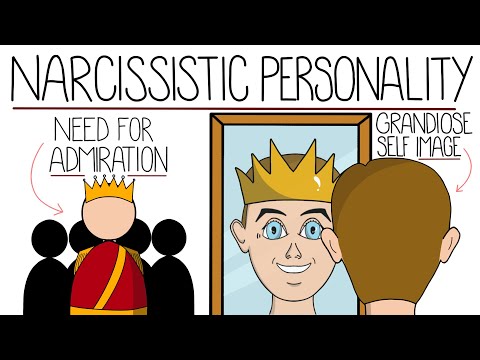
So, let’s break down Narcissistic Personality Disorder, often just called NPD. This is one of those terms that gets thrown around a lot, but it’s worth unpacking a bit. Basically, people with NPD have an inflated sense of self-importance and a deep need for admiration. It can create some pretty complicated relationships and issues in their lives.
First off, what are the main characteristics that you’d find in someone with narcissistic traits? According to the DSM-5, which is this big book used by professionals to diagnose mental health disorders, you’ll see things like:
- Grandiosity: They often exaggerate their achievements or talents. Picture someone who tells everyone they’re a “genius” at work when they barely got through high school.
- Need for admiration: They crave attention and validation. Think of that friend who always needs to be the center of attention at parties.
- Lack of empathy: It’s tough for them to understand or care about other peoples’ feelings. Imagine trying to talk about your problems and they just change the subject back to themselves.
- Entitlement: They often believe they deserve special treatment. Like seriously thinking they’re above everyone else just because they feel so special.
- Exploitation: Using others for personal gain is not uncommon. You might see them manipulatively charming someone into doing their work.
- Envy: They may feel envy toward others or believe that others are envious of them. It creates this weird competitive vibe all the time.
You might have met someone like this—someone who always takes center stage and does not seem to notice (or care) how their actions affect others.
Now, let’s chat about how these traits manifest in everyday life. People with NPD might come off as charismatic at first—who doesn’t like a confident person? But then, after some time, the cracks start showing. You might notice them getting frustrated when they don’t get enough praise or feeling insulted easily if someone challenges their opinions.
It’s interesting—this disorder doesn’t only hurt the person experiencing it but also deeply affects family members and friends as well. Relationships can feel one-sided and draining since it often seems like it’s all about them. Think about how tiring it can be if every conversation has to revolve around what they’re doing.
What you should also know is that diagnosing NPD isn’t straightforward—it takes time and careful consideration from mental health professionals since many psychopathologies can overlap there! So if you suspect someone has these traits (or even worry about yourself), consider reaching out to talk through those feelings.
Understanding Narcissistic Personality Disorder is crucial—not just for recognizing behaviors in others but also for improving your own relationships and emotional well-being! So keep an eye out for these signs without jumping to conclusions; context really matters here!
Understanding DSM-5 Criteria for Narcissistic Personality Disorder: A Comprehensive Guide
Narcissistic Personality Disorder (NPD) is one of those terms that floats around a lot, but what does it really mean? In the DSM-5, which is like the big book of mental disorders, NPD has some pretty specific criteria. If you’ve ever felt someone just couldn’t stop talking about themselves or always needed attention, well, hang on tight!
First off, let’s look at what the DSM-5 says. It lists a few key traits that define someone with narcissistic tendencies. To be diagnosed with NPD, a person generally needs to show a pattern of grandiosity. This means they often have an inflated sense of self-importance. Think of it like someone who believes they’re destined for greatness and often exaggerates their achievements.
The criteria also include:
These traits can create pretty intense issues in relationships. For instance, imagine being friends with someone who always one-ups your stories or never asks how you’re doing. Frustrating, right? That’s what can happen when dealing with narcissistic traits.
Now you might wonder how these traits actually manifest in real life. Picture going out to dinner with friends; if one person dominates the conversation without allowing anyone else to chime in—even when their thoughts are fascinating—that could be an example of grandiosity and lack of empathy. You follow me?
Another thing to think about is how these traits can change over time. Sometimes, people might not show all the signs consistently but still fit into the larger picture of NPD. It could be that during stressful times, their need for admiration spikes even more.
Also important: having some narcissistic traits doesn’t mean someone has NPD. We all have moments where we crave attention or feel proud about achievements—that doesn’t automatically make us narcissists! But when these patterns become pervasive and cause dysfunction in relationships or work life, that’s where it gets tricky.
So, understanding narcissistic personality disorder involves looking at those specific behavioral patterns outlined in the DSM-5 while also considering how they affect daily life and connections with others. It’s almost like putting together pieces of a puzzle—each trait gives insight into that person’s worldview and interactions.
The thing is, if you spot these characteristics in someone close to you (or maybe even yourself), it’s crucial to approach the situation carefully and compassionately. Everyone has their own struggles; sometimes just having awareness can help break that cycle!
Effective Evidence-Based Treatments for Narcissistic Personality Disorder: A Comprehensive Guide
Narcissistic Personality Disorder (NPD), as outlined in the DSM-5, can be a tough nut to crack. It’s like trying to juggle while riding a unicycle—challenging for the person with it and those around them. Let’s break down some effective, evidence-based treatments that can really help.
First off, **therapy** is often the go-to approach. But not just any therapy—here are a few types that shine for NPD:
- Cognitive Behavioral Therapy (CBT): This one focuses on changing negative thought patterns. You know, the kind that keeps a person stuck in their own head? CBT helps individuals recognize these thoughts and replace them with healthier ones. It can be super effective in addressing issues like self-esteem or interpersonal relationships.
- Psychodynamic Therapy: This digs deep into the past. By exploring early life experiences and how they shape current behavior, people can start to understand their motivations better. It’s like peeling an onion—there’s always another layer to uncover!
- Group Therapy: The social aspect here is key. Being in a group helps individuals see different perspectives and allows for feedback from others, which might just challenge their self-centered thinking without feeling confrontational.
Medication isn’t typically used as a primary treatment for NPD, but sometimes it can help with related symptoms like depression or anxiety—kinda like adding sprinkles on top of a sundae. You’re not there just for sprinkles; they enhance the experience.
Now let’s talk about that magical element: **empathy training**. This isn’t about sitting down and reciting “Feelings 101.” Instead, it involves practical exercises designed to help someone understand how their actions affect others emotionally. Imagine trying to walk in someone else’s shoes… but first you gotta find them!
In addition to these techniques, establishing **realistic goals** is essential. People with NPD often have inflated views of themselves; helping them set achievable targets keeps things grounded. Think of it as helping someone shift from wanting to be an astronaut overnight to focusing on passing math class first.
Another thing worth mentioning is how important **relationship-building** skills are throughout this process. Learning how to communicate more effectively and cope with conflict without resorting to manipulation or entitlement can transform not just individual lives but also entire relationships.
Lastly, it’s crucial for therapists working with clients with NPD to maintain **self-awareness** and proper boundaries—this isn’t easy! Just imagine being in a situation where you have those tendencies constantly being tested!
Treatment is no walk in the park, but sticking with these evidence-based approaches gives people dealing with narcissism a fighting chance at healthier relationships and emotional resilience over time! It’s all about growth and understanding—not just for them but everyone involved!
Narcissistic personality traits are often tossed around in conversations, right? You might hear someone say, “Oh, she’s so narcissistic!” when they’re talking about a friend who seems a bit self-centered or overly focused on themselves. But what does that really mean? Well, according to the DSM-5—the big book that psychologists use to talk about mental disorders—narcissism is a little more complex than just being full of yourself.
The DSM-5 outlines specific traits that help identify someone with Narcissistic Personality Disorder (NPD). It’s not just about being vain; it’s like a whole package of behaviors and patterns. Think entitlement, an intense need for admiration, and a lack of empathy. It’s almost as if they have this giant mirror reflecting only their greatness while ignoring everyone else. Kinda sad if you think about it.
Imagine being friends with someone who always talks about their achievements but never asks you how you are doing. You find yourself in one-sided conversations where your feelings don’t even get acknowledged. That kind of dynamic can be exhausting and frustrating! It’s like you’re there only to boost their ego, and that can really take a toll on your self-esteem.
What’s fascinating—and honestly a bit perplexing—is how these traits often stem from deep-rooted insecurities. It’s like putting on an armor made of self-praise to shield themselves from feeling vulnerable. So even though they come off super confident, underneath lies that complex emotional baggage. It’s tough because you want to understand where they’re coming from but at the same time feel drained by their constant need for validation.
But keep in mind! Not everyone who shows some narcissistic traits has NPD. We all have moments when we focus on ourselves; it’s part of being human! The thing is—when these traits become pervasive and affect relationships or daily functioning, that’s when it crosses into disordered territory.
You know what? Reflecting on all this makes me think about how important empathy can be in our interactions. If you know someone with these traits, it might help to set boundaries while also recognizing the struggles they face internally. Still, it’s totally okay to prioritize your own well-being first!
So yeah, navigating relationships with people who exhibit narcissistic tendencies can be tricky business! It remains an interesting topic for both psychology buffs and anyone trying to make sense of our social circles today.