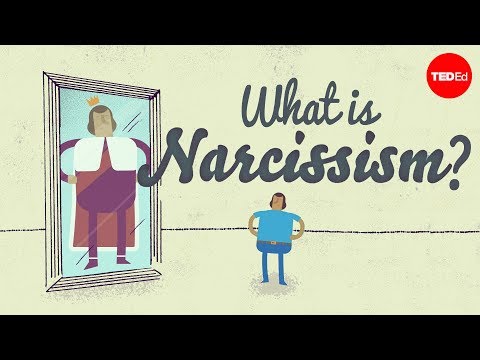
You know that one person who seems to always want the spotlight? The one who makes every conversation about them? Yeah, that’s a classic sign of a narcissistic personality.
It’s kind of wild how these traits show up in everyday life, right? You might even have someone like this in your circle.
So, let’s chat about what makes these personalities tick. There are some key traits to look out for. They can be subtle or just plain glaring!
Understanding this stuff can really help you navigate tricky relationships. Plus, it’s super interesting to see how our minds work in different ways. Ready to dive into the world of narcissism?
Understanding Narcissism: Techniques Psychologists Use to Identify Narcissistic Traits
Narcissism is one of those buzzwords we hear a lot these days, right? But understanding it can be way more complicated than just calling someone self-centered. So, let’s break it down a bit.
Narcissistic personality disorder (NPD) is a mental health condition characterized by certain traits that can really affect someone’s relationships and how they view themselves. Psychologists have some techniques to spot these traits, and it’s not always easy because narcissism exists on a spectrum. There are a few key areas they focus on.
Grandiosity is one of the first things that stands out. This means someone has an inflated sense of their own importance. They might boast about achievements or act like they’re special in some way. A classic example? Someone who constantly talks about their accomplishments but never asks about yours.
Another big trait is need for admiration. Narcissistic folks often crave attention and validation from others. They might go out of their way to ensure they’re the center of attention at parties or in discussions, often dismissing other people’s contributions as unimportant.
Then there’s the issue of lack of empathy. This is kind of a biggie in identifying narcissism. A person who struggles with this usually finds it hard to put themselves in others’ shoes. They may respond insensitively to someone else’s problems, like telling you to “just get over it” if you’re feeling down.
Also important is the sensitivity to criticism. Despite how confident they seem, many narcissists react poorly when faced with feedback or criticism. They might get defensive or even lash out if they feel criticized, all while projecting an image that they can handle anything thrown their way.
Psychologists also look at the need for control. Some narcissistic individuals like to manipulate situations to keep everything under their control, whether it’s relationships or work dynamics. This can often lead to toxic environments where others feel belittled.
Finally, there’s interpersonal exploitation. This means using others for personal gain without any regard for their feelings or needs. Think about that friend who only contacts you when they need something—like help moving or borrowing cash—but vanishes when you need support.
In practice, psychologists may use interviews or questionnaires designed specifically for diagnosing NPD; these tools help highlight whether someone exhibits these traits consistently over time and across various situations.
Understanding these traits isn’t just academic stuff—it helps us navigate our interactions with people who might lean towards narcissism more effectively, protecting our emotional well-being while fostering healthier relationships along the way! Always good stuff to keep in mind when dealing with complex personalities out there!
Understanding the 3 C’s of Narcissism: Key Concepts Explained
Narcissism is one of those buzzwords floating around a lot these days, right? You hear it tossed around in conversations about everything from reality TV stars to social media influencers. But what really is narcissism? Well, understanding the 3 C’s of Narcissism can help clear things up. These are Control, Communication, and Covert aspects. Let’s break them down so you get the full picture.
Control is a significant trait of narcissistic behavior. People with narcissistic tendencies often crave power in relationships. They may manipulate situations or people to maintain that control. Think about it like a puppet master scenario; they want all the strings in their hands. It can show up in various ways, like making decisions for others without their input or constantly needing to be the center of attention in social settings.
Then we have Communication. This aspect usually reflects how narcissists interact with others. They often prioritize their own opinions and experiences, leaving little room for anyone else’s thoughts or feelings. Imagine chatting with someone who only talks about themselves—no matter how fascinating their life might seem, it gets exhausting quickly! Narcissists tend to lack empathy and might brush off your feelings in favor of sharing another story about their latest accomplishment.
Now, let’s talk about the elusive Covert aspects. Not every narcissist is loud and brash; some can be more subtle, masking their self-involvement behind a facade of humility or self-doubt. They might appear insecure but still possess a deep-seated need for acknowledgment and validation from others. It’s like they’re hiding behind a mirror—looking humble on the outside while desperately wanting praise on the inside.
Narcissism isn’t just black and white; it has shades of gray too! Some people may display traits without fully fitting into that categorical box we think of when we say «narcissist.» It’s important to recognize that not every focus on oneself means someone is a full-blown narcissist either!
So, when looking at these three C’s—Control, Communication, and Covert aspects—it’s easier to spot those pesky narcissistic traits creeping into relationships or encounters with others around you. Just remember: while navigating interactions with those who show these traits can be tricky, understanding them helps you manage your expectations and responses better!
Top 10 Signs of Narcissism: Identifying Key Traits and Behaviors
So, let’s chat about narcissism for a second. It’s one of those topics that can feel a bit intense, but it really helps to know the signs you might be dealing with someone who has a narcissistic personality. Here are some key traits and behaviors that can hint at narcissism.
1. Grandiose Sense of Self-Importance
Narcissists usually exaggerate their achievements and talents. They want you to think they’re super special or unique, like they’re the main character in their own movie. For example, they might go on and on about how they single-handedly saved a project at work, while downplaying others’ contributions.
2. Need for Excessive Admiration
These folks thrive on compliments and flattery. If they don’t get enough praise, it can drive them nuts! You might notice them always seeking validation from others or making sure they’re the center of attention at social gatherings.
3. Sense of Entitlement
Narcissists often believe they deserve special treatment, like the world owes them something just for being who they are. This can lead to frustration or anger if things don’t go their way—even in minor situations.
4. Exploitative Behavior
A hallmark of narcissism is using others to get what they want without any guilt or remorse. If you’ve ever felt like someone only reached out when it suited their needs, you might be encountering this type of behavior.
5. Lack of Empathy
It can be tough for narcissists to understand or care about other people’s feelings. Instead of comforting a friend who’s been through something rough, they might shift the conversation back to themselves without even realizing it.
6. Envy Toward Others
They tend to feel envious of those who have what they want—like success or love—while believing that others are equally jealous of them. It’s kind of a bizarre cycle because it feeds into their grandiosity.
7. Arrogant Attitude
You’ll often find narcissists acting haughty or condescending toward others. They may look down on people who don’t meet their standards, which can make social situations pretty awkward.
8. Fragile Self-Esteem
Despite that confident front, underneath it all, many narcissists have very fragile self-esteem. Criticism hits them hard; even mild feedback can send them into a spiral where they lash out defensively.
9. Relationship Difficulties
Maintaining healthy relationships is usually not easy for someone with these traits because everything revolves around them—their needs and desires come first.
10. Overreaction to Criticism
If you ever challenge a narcissist—even gently—you might see some serious overreactions: anger, denial, or even rage! They’ll defend themselves fiercely because admitting weakness feels devastating to them.
So yeah, spotting these signs isn’t always cut-and-dry since everyone has off days now and then; but if patterns emerge consistently in someone’s behavior that align with these traits? Well, that could be your cue for caution! Just keep an eye out and trust your gut feelings when dealing with people you suspect might have these tendencies—it’s always good to stay aware!
You know, when we think about narcissistic personalities, it’s like diving into a really complex puzzle. It’s not just about someone being self-centered or thinking they’re the best. Often, there’s so much more going on underneath the surface.
I was chatting with a friend the other day who had a boss that totally fit the bill. This boss would constantly talk about their achievements and made every meeting feel like a showcase of their own brilliance. My friend felt so drained after each interaction, even though they weren’t technically doing anything wrong, just sharing their accomplishments, or whatever. But that level of focus on themselves? Phew! It was exhausting for everyone around.
When we look at narcissism in psychology, it often includes those key traits: an inflated sense of self-importance, a deep need for admiration, and a lack of empathy. You might notice they often exaggerate their talents or achievements. Like my friend’s boss who never missed an opportunity to boast about their «incredible» decisions that always led to some success—real or perceived.
And here’s where it gets tricky: while they can charm the socks off people early on with their charisma and larger-than-life demeanor, it often doesn’t last long before the cracks start showing. They might struggle to maintain relationships because of that inability to empathize with others’ feelings or needs. Instead of genuinely engaging with friends or coworkers’ ideas or emotions, it’s all about how they can steer the conversation back to themselves.
It can be tough recognizing these traits sometimes because society sometimes glorifies confidence and self-promotion; but there’s definitely a fine line between healthy self-esteem and narcissism. So if you find yourself feeling emotionally drained after spending time with someone who constantly seeks validation without considering your perspective? Yeah… that’s probably not just you being oversensitive; you’ve got some cues pointing toward possible narcissistic behavior.
And let me tell ya: understanding this stuff can really help you navigate your interactions better. You don’t have to go around labeling everyone as narcissistic willy-nilly! Just recognizing these traits means you can set boundaries and take care of your own emotional well-being as you deal with folks who have those tendencies. It’s all about healthy connections—because honestly? Who has time for draining relationships?