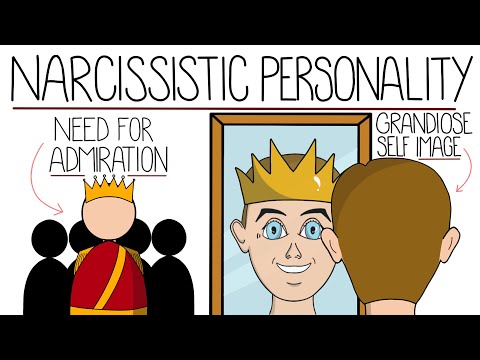
So, you know those people who just seem a bit… off? Like, they charm everyone around them but leave a weird taste in your mouth? Yeah, we might be talking about narcissistic sociopaths.
These folks are a wild mix of traits. They can be super charming one minute and completely self-absorbed the next. It’s like watching a magician pull off tricks that leave you scratching your head. How do they do it?
Let’s dig into this. You’ll get why they act the way they do, and honestly, it might even help you spot them faster in your life. It’s not always easy to understand their games, but once you get the hang of it, things start to click. Ready to unravel this puzzle?
Understanding the Traits of a Narcissistic Sociopath: Key Characteristics and Behavioral Patterns
Talking about narcissistic sociopaths can be kinda intense, but it’s super interesting when you break it down. These folks mix traits from two psychological conditions: narcissism and sociopathy. So, let’s dig into some key characteristics that can help you understand their behavior better.
First off, a major trait is an inflated sense of self-importance. They genuinely believe they’re superior to others. You might find them boasting about their achievements or talents, even if they’re not as great as they claim. For example, imagine someone bragging at a party about their promotion while glossing over the fact that they barely got through college.
Another characteristic is a deep lack of empathy. They often struggle to recognize or care about how others feel. So, if a friend opens up about a breakup, a narcissistic sociopath might change the subject to something that boosts their own ego instead of offering support.
These individuals are often skilled at twisting situations to their advantage. They might charm you one minute and then play mind games the next to get what they want. It’s like watching someone juggle – except the balls are your feelings!
Their actions are mainly driven by personal gain. If helping someone else doesn’t serve their interests? Forget it! It’s all about what benefits them.
Narcissistic sociopaths rarely take responsibility for their actions. If something goes wrong, they’ll blame everyone else or make excuses instead of owning up to it.
An anecdote comes to mind where I once knew this guy who would switch stories around whenever he was caught not being honest. Instead of admitting he’d lied about his job, he’d say his boss was just “too strict” on him or something wild like that!
You also see superficial charmfrequently in these types. At first glance, they can be charismatic and likable—drawing people in with ease! But once you’re close enough, that charm becomes manipulative rather quickly.
They really believe they deserve special treatment—whether it’s getting ahead at work without earning it or expecting friends to always pick up the tab without reciprocating.
Narcissistic sociopaths can also have unstable relationships because they struggle with commitment and often turn on people when things don’t go their way. They might flip from being super affectionate one moment to cold and distant the next.
This chaotic emotional pattern makes understanding them tricky! You may find yourself questioning your own feelings because they’re so good at twisting things around!
The bottom line here is recognizing these traits could help you deal with such individuals more effectively when you encounter them in real life. Awareness is power! Understanding these behaviors helps us protect ourselves and set firmer boundaries when necessary.
Understanding Narcopaths: Key Characteristics and Impacts on Relationships
Understanding narcissistic sociopaths, or narcopaths, is essential for navigating relationships that involve these complex individuals. They often blend traits of narcissism and sociopathy, creating a unique personality type that can have serious ramifications for those around them.
First off, let’s break down what narcopaths are like. Narcissism usually involves an inflated sense of self-importance and a deep need for admiration. On the flip side, sociopathy includes a lack of empathy and often manipulative or deceitful behavior. When these traits mix, you get narcopaths—individuals who not only seek to be the center of attention but also show little regard for the feelings of others.
One characteristic you’ll notice in narcopaths is their ability to charm people. They can be incredibly charismatic at first. For example, you might find yourself drawn to their confidence and sense of humor. But over time, their true nature can emerge as they begin to manipulate and control those around them. It’s like being pulled in by a magnet only to realize it’s actually just a trap.
Another big red flag is their tendency to gaslight others. This means they twist reality or deny facts in order to make someone question their own experiences or sanity. Imagine having a disagreement where you’re convinced you’re right, but they turn everything around so it feels like you’re the one at fault. This tactic can leave you feeling confused and even powerless.
Then there’s the issue of lack of empathy. Narcopaths often struggle—or outright refuse—to connect emotionally with others. If you’ve ever shared something personal with someone like this and felt dismissed or ridiculed afterward, that could be them showing their true colors.
When it comes to relationships, the impact can be profound and damaging. Here are some common ways narcopaths affect those close to them:
- Emotional manipulation: They might use guilt trips or blame tactics to keep control.
- Isolation: They may try to distance you from friends or family who voice concerns.
- Instability: Relationships with narcopaths are often tumultuous; moods can shift from idealization to devaluation in an instant.
- Lack of accountability: They rarely take responsibility for their actions; it’s always someone else’s fault.
Being in a relationship with a narcopath can feel like walking on eggshells—you’re constantly adjusting your behavior just to keep peace or avoid conflict! That kind of tension wears you down over time.
So how do you protect yourself? Recognizing these traits early on is crucial! Trust your gut feelings when something seems off; it’s better not to ignore those instincts if they tell you something isn’t right.
Essentially, understanding narcissistic sociopaths can give you vital insight into their behaviors and how best to navigate your interactions with them. You’re not alone if you’ve faced challenges dealing with someone exhibiting these characteristics; many people have experienced similar situations!
In short: Be aware, stay informed, and don’t hesitate to seek support if needed—your mental well-being deserves priority above all else!
Identifying the Signs of a Male Narcissistic Sociopath: Key Characteristics and Red Flags
It can be really tough to deal with someone who’s a narcissist or a sociopath. These individuals often play mind games, and their behavior can leave you feeling confused and drained. So, let’s break things down into simpler terms, yeah?
When we talk about a **male narcissistic sociopath**, there are some common traits that stand out. Here are some key characteristics and red flags:
- Grandiosity: They see themselves as superior. You might hear them bragging about their accomplishments in an exaggerated way. For example, they could claim they’re the best at their job, even if the evidence doesn’t support that.
- Lack of empathy: This is a big one. They struggle to understand other people’s feelings. If you’re upset, they might turn the conversation back to themselves or act like your feelings don’t matter.
- Manipulation: These guys can be master manipulators. They might twist situations to make you feel guilty or convince you that you saw something that didn’t happen. It’s like living in a funhouse where everything feels off-kilter.
- Charm and charisma: At first glance, they can be super charming and likable. It’s easy to get drawn in by their confidence and charm—just keep an eye out because it could just be a façade.
- Gaslighting: This tactic makes you question your reality. They may deny things they said or did, leaving you second-guessing yourself all the time.
- A sense of entitlement: They often believe they deserve special treatment or attention—like cutting in line at the store because they’re «too important» to wait.
But here’s where it gets even trickier: these traits don’t always show up in obvious ways. Sometimes, these behaviors sneak up on you little by little.
Let me share a quick story to illustrate this stuff better: Imagine you’re dating someone who seems perfect at first—charming, funny, supportive; everything feels amazing! But then he starts undermining your achievements at work or downplaying your feelings when you’ve had a rough day. You find yourself feeling more anxious around him, worried about how he’ll react when sharing something personal.
That creeping doubt? Yeah, that’s all part of the emotional rollercoaster with narcissistic sociopaths.
So when looking out for signs of a male narcissistic sociopath:
- Pushing boundaries: They may test limits gradually until what once felt wrong becomes accepted.
- Dismissing your needs: If they constantly put their own needs first or disregard yours entirely—it’s not healthy.
- Sudden anger: If they’re prone to explosive reactions over little issues—that’s another red flag.
- Cyclical love-bombing followed by withdrawal: One moment they’re showering you with affection and the next they’re distant and cold.
Recognizing these signs can help protect yourself from potential harm down the road. Remember: it’s not just about identifying someone as “bad.” It’s about understanding your own emotional well-being too.
So if anything here resonates with you—take it seriously! Setting boundaries or reaching out for support is key when dealing with complex personalities like this one. Stay safe out there!
So, let’s talk about narcissistic sociopaths. It’s kinda mind-boggling, honestly. You know, when most people think of narcissists or sociopaths, they picture someone who’s just a jerk—self-absorbed and maybe a little shady. But the traits can be way more complex than that.
Imagine meeting someone who seems charming at first. They have this magnetic personality that draws you in. But then you start noticing how they twist conversations back to themselves or manipulate situations to their advantage. You might feel like you’re on a rollercoaster of emotions—excited one moment and confused the next. That’s what dealing with a narcissistic sociopath can feel like.
Narcissism often shows up as an inflated sense of self-importance and a need for admiration. It’s not just about being vain; it’s deeper than that. It’s like they have this emotional void that they try to fill with attention from others, but nothing ever seems to satisfy them completely.
Now, add in those sociopathic traits—like lack of empathy or remorse—and it gets even trickier. Someone who fits both these molds might be great at reading people and manipulating them because they don’t really feel those emotional connections like most of us do. It’s almost like they’re playing a game, and you could be just another piece on their board.
There was this time I knew someone who seemed perfect for my friend—a real charmer who talked a big game about success and ambition. At first, everything felt exciting, but then my friend started feeling drained after every interaction—it was all take and no give from this guy! It was tough watching her go through that because she hoped he’d show some vulnerability or warmth, but he never did.
So yeah, understanding narcissistic sociopaths is no simple task. They’re layered characters with traits that can mess with your head if you get too close without realizing what you’re dealing with. The key takeaway here is to recognize those red flags early on and protect your own emotional space—because boy, can it get complicated!