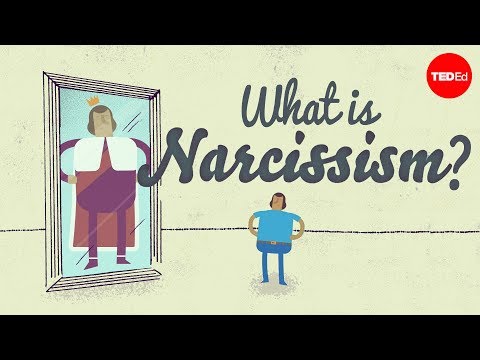
Narcissism, huh? It’s one of those terms that gets thrown around a lot. You might’ve heard it in conversations about spoiled celebrities or self-obsessed politicians. But it goes way deeper than that.
So, what’s the deal with narcissism? Well, it’s more than just being a little vain. We’re talking about some serious self-absorption issues here. Like, do you know someone who always makes everything about them? Yeah, that’s kind of what we’re getting into.
It can mess with your relationships and how you see the world. You know? It’s not just a “me” problem; it can become a “we” problem too.
Let’s dive into what narcissism really means and how it shows up in everyday life. Buckle up!
Understanding Narcissism: A Comprehensive PDF Guide on Self-Absorption Issues in Psychology
Narcissism is such a tricky subject, right? I mean, when you hear the word, you probably picture someone who’s self-absorbed and maybe even a bit arrogant. And while that’s part of it, there’s so much more going on beneath the surface. Let’s break it down.
Narcissism is often thought of in two flavors: healthy and unhealthy. Healthy narcissism can be about self-love and confidence. It helps us feel good about ourselves. But, when we talk about unhealthy narcissism, things start to get messy. This is where the self-absorption issues really kick in, affecting relationships and how one perceives the world.
People with unhealthy narcissism often have an inflated sense of their own importance. They might think they’re special or unique in ways that don’t quite add up to reality. You follow me? They can struggle with empathy too. They find it hard to see things from others’ perspectives, which often leads to misunderstandings.
Here are a few key points that help clarify what we mean by narcissism:
- Excessive Need for Admiration: Narcissists crave attention and validation like a kid craves candy.
- Grandiosity: There’s a big focus on accomplishments, sometimes way overblown—think someone boasting they’re the best at everything.
- Lack of Empathy: It’s tough for them to tune into what others are feeling or thinking.
- Fragile Self-Esteem: Surprisingly, even though they seem confident outwardly, inside they might feel really insecure.
Imagine this scenario: You’re at a party with a friend who never stops talking about their latest achievement—like getting promoted again or winning some award. At first, it feels cool hearing about their success. But as the night drags on, you realize you’ve barely had a chance to share what’s happening with you! That’s an example of how narcissism can play out in real life.
Now let’s touch on where these traits come from. Often, they can stem from childhood experiences—like being overly praised without any constructive criticism or perhaps feeling neglected at home. Such backgrounds could result in someone seeking constant reassurance as adults.
One thing that gets overlooked is that not everyone who displays selfish behavior is a full-blown narcissist. Sometimes people go through phases or situations where they’re just caught up in their own stuff for a bit.
The important thing here is understanding these patterns because awareness can pave the way for better communication and healthier relationships. So if you’re dealing with someone who seems stuck in this mindset—or maybe it’s even something you’re battling yourself—recognizing these traits can be step one toward change.
In short, understanding narcissism isn’t just about labeling people as “narcissists.” It’s really about grasping the bigger emotional picture behind those self-absorbed behaviors and figuring out how we all fit into it! You know?
Effective Strategies to Overcome Self-Absorption and Foster Meaningful Connections
Self-absorption can often feel like a heavy blanket, right? It’s that feeling when everything seems to revolve around your own thoughts and experiences. And while it’s normal to focus on ourselves sometimes, too much of it can really get in the way of forming deep connections with others. Narcissism, in psychology, is one way to describe this tendency. It involves an inflated sense of self-importance and a need for excessive admiration. So how do we break that cycle and foster genuine relationships?
First of all, self-awareness is key. Taking a step back to reflect on your behaviors and their impact on others can be incredibly enlightening. You might think about keeping a journal where you jot down your feelings and interactions with people. This helps you notice patterns—like if you’re always talking about yourself or interrupting others during conversations.
Then there’s the whole idea of empathy. It might sound cliché, but really trying to put yourself in someone else’s shoes can change the game completely! When a friend shares something—whether it’s joy or struggle—try to focus less on how it relates to you and more on what they’re feeling at that moment. Picture their emotions; imagine what they might be going through.
Another effective strategy? Active listening. It’s not just about hearing words; it’s about being fully present in those moments. Nod your head, make eye contact, ask follow-up questions. When you genuinely listen, you’re showing the other person that they matter, which fosters stronger bonds.
You could also work on shifting some habits in social settings. Like, instead of steering every conversation towards your experiences, ask open-ended questions about others’ lives or interests. Something simple like asking someone about their weekend plans can lead to richer discussions—and who knows? You might discover shared passions!
Lastly, practice gratitude. Take time each day to appreciate the people around you and what they bring into your life. This mindset shift helps move focus away from yourself toward valuing others’ contributions.
So yeah, overcoming self-absorption isn’t an overnight fix; it’s more like working at it every day bit by bit! Building these deeper connections takes time and effort but truly pays off when those meaningful relationships start blossoming around you.
Understanding the Meaning of Self-Centered Narcissism: Key Characteristics and Impacts
Narcissism can be a pretty wild topic, right? You hear the word thrown around a lot, but there’s more to it than meets the eye. When we talk about self-centered narcissism, we’re digging into this idea of people who seem really wrapped up in themselves and often struggle to empathize with others. So, let’s unpack what that looks like.
Self-centered narcissism is basically all about a person’s excessive focus on their own needs and desires. It’s like they’re living in their own world where everything revolves around them. A key characteristic? Grandiosity. This isn’t just feeling good about yourself; it’s believing you’re better than everyone else and expecting others to recognize that.
Another big piece of the puzzle is lack of empathy. Think about it like this: if you’ve ever tried sharing a personal story with someone, only for them to change the subject back to themselves immediately, you felt that lack of connection. They might nod along, but deep down, they just can’t put themselves in your shoes.
Let’s break down some key characteristics:
I once knew someone who would always hijack group conversations. Like, we’d be chatting about weekend plans when suddenly it became all about their latest promotion or how great they are at karaoke. It was exhausting! You could almost see everyone else roll their eyes while trying to pretend they were interested.
The impacts of self-centered narcissism can really ripple out into relationships and even workplaces. You might find these individuals struggle to maintain long-term friendships or keep jobs because their behavior alienates others. When you’re constantly focused on yourself, you miss the chance to build those genuine connections.
In friendships, this looks like one-sided conversations where your interests take a backseat all the time. It can leave you feeling drained or unappreciated—ever been there? Work environments might get tense too, especially when collaboration is key but someone keeps trying to hog the spotlight.
So yeah, self-centered narcissism isn’t just a quirky personality trait; it’s got real implications for both individuals and those around them. Understanding this can help us navigate our own relationships better and maybe even lead us toward healthier dynamics.
Narcissism. You’ve probably heard that word thrown around a bit, right? It’s become one of those buzzwords that just about everyone seems to have an opinion on. But when you really break it down, narcissism isn’t just about being vain or thinking you’re the best thing since sliced bread. It goes way deeper than that.
So, here’s the deal: in psychology, narcissism refers to a broader personality trait and sometimes even a full-blown personality disorder. Think of it like a sliding scale. On one end, you’ve got folks who are just a little self-absorbed; maybe they brag about their accomplishments or hog the conversation at dinner parties. On the other end is Narcissistic Personality Disorder (NPD), which affects how someone relates to people around them and can be pretty damaging—not just for others but for themselves too.
Imagine growing up with a parent who constantly needed admiration and attention. You might find yourself always walking on eggshells, trying to get their approval or avoid their wrath. That kind of environment can mess with your head big time! You might end up feeling invisible unless you perform perfectly or give them what they want.
But here’s where it gets complicated: narcissism is often rooted in deep insecurities and fears. It sounds counterintuitive, right? Someone who appears so confident and self-assured is often masking feelings of inadequacy and vulnerability underneath all that swagger.
For example, think about someone who constantly posts selfies on social media or always needs praise from friends. Sure, they might look like they have it all figured out, but maybe they’re trying to fill an emotional void by seeking validation from others. Deep down, they could be grappling with low self-esteem or fear of failure.
And let’s not forget how narcissism can skew our ability to feel empathy for others. If you’re too focused on your own needs or image, you might miss the struggles of people around you—even close friends or family members! It becomes this cycle where relationships suffer because genuine connection needs vulnerability and understanding.
So what’s the takeaway here? Narcissism is more than just big egos—it speaks volumes about human nature itself: our need for love, acceptance, and recognition in a world that can sometimes feel isolating. Understanding this can help us not only navigate relationships better but also work through our own tendencies toward self-absorption when we notice them creeping in.
In a nutshell? Just because someone seems confident on the outside doesn’t mean they’ve got it all together inside. You follow me? We’re all trying to figure this crazy life out together!