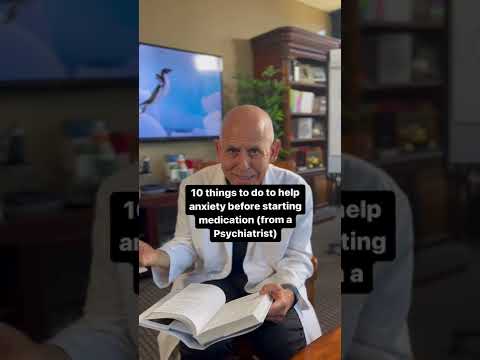
Hey, you know how sometimes life just piles on the pressure? Like, one minute you’re chilling, and the next you feel this weight on your chest. Yep, anxiety’s a sneaky little monster that can crash your party anytime.
But here’s the thing: you don’t have to let it run the show. There are some cool strategies out there—totally natural ones—that can help take the edge off. You don’t need fancy pills or elaborate therapies to manage those anxious feelings.
Imagine having a toolkit right at your fingertips! It’s like knowing how to whip up your favorite dish without a recipe. Super freeing, right? So let’s chat about some down-to-earth ways to kick anxiety to the curb and find that calm vibe again. Sounds good?
Exploring Medication Options for Overthinking: What You Need to Know
Overthinking can be a real pain in the neck, don’t you think? You know, when your mind just won’t shut up and you’re stuck swirling around the same thoughts over and over. Yeah, it can really mess with your day. Sometimes, people look for medication to help calm that chaos in their heads. So let’s take a closer look at that.
First off, you should know that there are different types of medications that might help with overthinking. Some of the most common ones include antidepressants, anti-anxiety medications, and mood stabilizers. Each of these targets different aspects of mental health.
- Antidepressants: These are often prescribed for depression but can also help with anxiety-related issues. They work by balancing chemicals in your brain. One common type is SSRIs, like fluoxetine (Prozac).
- Anti-anxiety medications: Medications like benzodiazepines provide quick relief for anxiety symptoms but can be addictive if used long-term. It’s kind of like putting a Band-Aid on a bigger wound.
- Mood stabilizers: If your overthinking comes with mood swings or emotional highs and lows, mood stabilizers can help level you out. Lithium is one example here.
But hey, medication isn’t really a one-size-fits-all solution! What works wonders for someone may not even touch the surface for you. Plus, it takes time to find the right dosage and medication that suits you best, and adjusting to them can have its own bumps along the way.
If you’re considering medication as an option, it’s super important to talk to a healthcare professional first. A doctor or psychiatrist will break things down based on your unique situation—like personal history or current symptoms—and guide you through potential pros and cons. You want someone who understands what’s going on in your noggin!
And let’s not forget about non-medication strategies either! Many people find relief through psychological strategies. Mindfulness techniques, therapy like cognitive-behavioral therapy (CBT), or even simple deep breathing exercises can also do wonders without jumping straight into pills.
You might be surprised at how much control you could gain without relying solely on medication! Seriously, give those things some thought as well! Overthinking is tough but figuring out what works best for you is key—whether that’s talking it out with someone or using medication under guidance.
The bottom line? Being open to exploring options while staying informed about them will only benefit you in managing overthinking better!
Effective Strategies to Instantly Alleviate Anxiety: Proven Techniques for Immediate Relief
Anxiety can feel like you’re drowning in a deep ocean, waves crashing over you constantly. But don’t worry; there are some effective strategies that can help you find that breath of fresh air when anxiety hits hard and fast. Here are a few techniques to consider:
1. Deep Breathing
Let’s kick it off with something super simple but oh-so-effective: deep breathing. When anxious, your body tends to go into fight-or-flight mode, and your breathing gets shallow. Try inhaling deeply through your nose for a count of four, holding it for four seconds, and exhaling through your mouth for another count of four. Repeat this several times. It calms down your nervous system and helps ground you in the moment.
2. Grounding Techniques
Grounding techniques can be lifesavers when anxiety strikes out of nowhere. One popular method is the “5-4-3-2-1” exercise. You identify:
- 5 things you see
- 4 things you can touch
- 3 things you hear
- 2 things you smell
- 1 thing you taste
This exercise pulls your focus away from anxious thoughts and back to the present moment.
3. Physical Activity
Moving your body can work wonders! Whether it’s dancing around in your room or taking a brisk walk outside, physical activity releases those feel-good endorphins that help counteract anxiety feelings. Just remember, it doesn’t need to be an Olympic sport; even a gentle stretch or some yoga can make a difference.
4. Mindfulness Meditation
Mindfulness is all about being present without judgment, and meditation is a fantastic way to practice this skill! Start with just five minutes of sitting quietly and focusing on your breath or observing thoughts as they come, letting them drift away without attaching any meaning to them. With time, this practice helps reduce overall anxiety levels.
5. Connect with Others
Sometimes just sharing how you’re feeling with a friend can lighten the load dramatically! Reach out via text or call someone who gets it; honesty works wonders for anxiety relief since talking about it normalizes those feelings rather than letting them fester internally.
In trying these methods, remember that everyone’s different—what works wonders for one person might not do much for another. So try out various techniques to see what clicks with you! Don’t give up if something doesn’t work right away; building skills takes time.
Ultimately, having these strategies at your fingertips can help put those pesky anxious vibes at bay when they pop up unexpectedly! You’ve got this!
Effective Home Remedies to Quickly Alleviate Anxiety
Anxiety can feel like that pesky friend who just won’t leave you alone. You know, the one that shows up uninvited and makes everything a bit more complicated? Thankfully, there are some home remedies that can help ease those anxious feelings. Let’s break it down!
Breathing Exercises are super effective and easy to do anytime. When you start to feel anxious, try this: take a deep breath in slowly through your nose for a count of four, hold it for another four counts, and then exhale gently through your mouth for four counts. Repeat this a few times. It’s like giving your nervous system a little hug!
Aromatherapy can also set a soothing vibe. Essential oils like lavender or chamomile are known to calm the mind. Just put a few drops in a diffuser or even on a cotton ball and breathe deeply. There’s something about pleasant scents that just lifts the mood, don’t you think?
Herbal Teas are another warm hug for your insides! Chamomile tea is famous for its calming properties. You could sip on it while curling up with a blanket after a long day; it feels cozy and comforting! Just steep the tea for about five minutes, let it cool off slightly, and enjoy.
Another great option is exercise. It doesn’t have to be intense but try going for a walk or even dancing around your living room! Movement releases endorphins—the good vibes kind of hormones—making you feel happier overall.
Meditation might sound fancy, but it really doesn’t have to be complicated. You can start with just five minutes of sitting quietly and focusing on your breath or even listening to calming music. There’s no wrong way to give it a shot!
And don’t forget connecting with nature. If you can get outside, do it! Nature has this magical ability to ground us. A simple stroll in the park or sitting under a tree can help regain perspective and reduce anxiety.
Lastly, Journaling can be therapeutic as well! Writing down what you’re feeling takes some weight off your shoulders. It helps organize those swirling thoughts in your head into something manageable—almost like decluttering your mind.
So yeah, while these remedies aren’t cure-alls by any means, they can definitely help bring some relief when anxiety knocks at the door uninvited! It’s all about finding what works best for you personally because we’re all different in how we handle stressors.
Anxiety can feel like this heavy backpack you just can’t take off, right? You walk around with it, and it’s exhausting. Sometimes, all you want is to take a breather and find some calm in the chaos. I remember a time when I had this gnawing worry about a big presentation at work. My mind was racing, and my heart felt like a drum solo gone wild. I couldn’t focus on anything but that impending doom.
What helped me was realizing that sometimes, it’s about using simple psychological strategies to channel those feelings into something a little more manageable. One effective move is practicing deep breathing. It sounds basic—and it kinda is—but seriously, taking a moment to just breathe deeply can interrupt that anxious cycle. You know how when you’re super stressed, your breath gets shallow? Slowing it down helps signal your body to chill out.
Then there’s visualization. Picture yourself in a peaceful place—maybe lying on the beach or sitting in your favorite café with a warm drink in hand. This little mental getaway can work wonders! It’s like giving your mind a mini vacation from all the worries piling up.
Another thing worth trying could be mindfulness meditation. It’s not about zoning out but really tuning into the present moment and acknowledging what you’re feeling without judgment. I remember the first time I tried it; I felt weird just sitting there doing «nothing.» But over time, I got better at letting those anxious thoughts float away like clouds in the sky.
Journaling can also be pretty therapeutic. Just getting your thoughts on paper helps clear that mental clutter. Sometimes when I write down what I’m worrying about, it feels less ominous—like shining a light on monsters under the bed.
And don’t forget about connection! Talking to someone about how you’re feeling makes such a difference. Whether it’s friends or family or even online communities—it reminds you that hey, you’re not alone in this struggle.
Sure, these strategies won’t make anxiety disappear overnight but using them regularly creates layers of resilience against stressors. Life’s gonna throw challenges our way—that’s guaranteed—but having these go-to tools helps us respond instead of react.
So next time anxiety feels like it’s gripping too tight, maybe try one of these ideas? You might just find yourself smiling again amidst chaos!