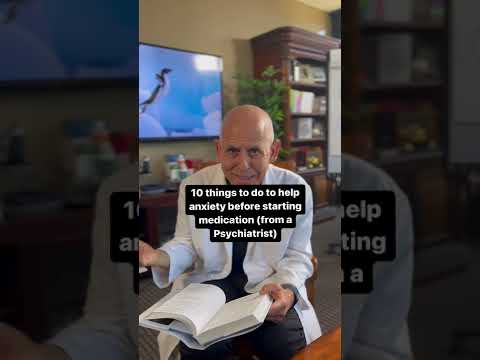
Anxiety can sneak up on you, right? One moment you’re chill, and the next, your heart’s racing like it’s in a marathon.
It’s wild how our minds can take us to these places we never asked to go. You know what I mean?
But here’s the thing: there are ways to tackle that anxiety without relying solely on meds or therapy.
Natural approaches, my friend! Simple stuff grounded in psychology that can really help ease the tension.
So let’s chat about some of those chill methods. You might find a few gems that resonate with you!
Comprehensive Strategies for Managing Anxiety and Panic Attacks: A Holistic Approach
When it comes to dealing with anxiety and panic attacks, it can feel super overwhelming. You might be surprised to find that a holistic approach, which means looking at the whole person—mind, body, and spirit—can be really effective. Let’s break down some strategies that could help you manage these feelings.
1. Mindfulness and Meditation
You know how sometimes your brain just never stops racing? Mindfulness is all about bringing you back to the present moment. Simple practices like deep breathing or even just noticing your surroundings can really ground you. Try spending just a few minutes each day focusing on your breath or listening to the sounds around you.
2. Physical Activity
Exercise isn’t just for getting fit; it’s a major stress buster too! When you move your body, it releases endorphins, which are basically your body’s natural mood lifters. Even going for a short walk can help clear your head when anxiety starts creeping in.
3. Nutrition
Your diet plays a bigger role than you might think in how you feel emotionally. Foods rich in omega-3 fatty acids, like salmon or walnuts, can boost your mood and reduce anxiety levels. Staying hydrated is key too; dehydration can lead to irritability and make anxiety feel worse!
4. Connection with Others
You’re not alone in this! Talking about what you’re feeling with friends or family can make a world of difference. Sometimes just hearing someone say “I get it” can take a weight off your shoulders.
5. Nature Therapy
Getting outside is like hitting the reset button on your mind! Research shows that spending time in nature lowers stress levels and improves mood—so maybe plan a hike or simply sit in the park for some fresh air.
6. Sleep Hygiene
A good night’s sleep is crucial for mental health! Try aiming for 7-9 hours of quality sleep each night. Create a bedtime routine that helps signal to your brain that it’s time to wind down—like reading or taking a warm bath.
7. Cognitive Behavioral Techniques
This involves changing negative thought patterns into more positive ones—or at least more realistic ones! If you’re spiraling into anxious thoughts, try challenging them: “Is this thought really true?” Sometimes we overestimate threats while underestimating our ability to cope.
A quick story: I once had this friend who got so anxious before presentations that she’d almost back out every time! But then she started combining mindfulness breathing with visualization techniques—imagining herself succeeding—and slowly but surely felt way more confident stepping onto that stage!
The thing is, managing anxiety takes practice and patience—it doesn’t happen overnight. Remember, everyone’s different; what works wonders for one person might not be as effective for another, but trying out various strategies may help create a toolkit tailored just for you!
Unlocking Relief: The Role of Vitamins in Managing Anxiety Naturally
Anxiety can really feel like this heavy weight on your shoulders, doesn’t it? Sometimes, you just want to shake it off or find a way to lighten that load. While there are tons of methods out there, one interesting angle is how vitamins can help manage anxiety naturally. It’s not the first thing people think of, but it might surprise you how much our bodies need these nutrients for optimal mental health.
First off, let’s chat about Vitamin B complex. These vitamins play a big role in brain function and mood regulation. When you’re low on B vitamins, you might notice more stress and anxiety creeping in. Ever heard someone say they feel more jittery when they skip breakfast? Well, that’s often due to low energy and nutrient deficiency. Foods like leafy greens, eggs, and whole grains are packed with these essential vitamins.
Next up is Vitamin D. This one’s often referred to as the sunshine vitamin since our bodies create it when we’re exposed to sunlight. It’s crucial for mood stabilization. Some studies suggest that people with anxiety and depression often have lower levels of vitamin D. So getting outside for a bit or enjoying some fortified foods can make a difference.
Now let’s not forget about Omega-3 fatty acids. Technically not a vitamin but super important! These guys are known for their role in brain health. They help reduce inflammation and support neurotransmitter function—both of which are vital when it comes to managing anxiety. Fish like salmon or sardines are great sources—as well as flaxseeds if you’re plant-based.
Moving along, we hit Magnesium. This mineral works wonders on your nervous system. It’s like a chill pill! A magnesium deficiency can lead to increased anxiety levels because magnesium helps your body handle stress better. Foods rich in magnesium include nuts, seeds, beans, and whole grains. So next time you’re feeling stressed out? Maybe grab a handful of almonds.
Also important is Zinc. Similar to magnesium, it’s linked with brain function and regulating emotions. If you’re feeling off-balance emotionally or mentally—a lack of zinc could be partially to blame. You can find this essential mineral in foods like meat, shellfish (hello shrimp!), legumes, seeds, nuts, dairy products—not too tough to work into your diet!
Lastly—and I can’t stress this enough—hydration plays a huge role too! While it isn’t exactly a vitamin or mineral per se, staying hydrated helps keep your body functioning well overall which directly impacts your mental state.
In essence: Vitamins and minerals have an astounding influence on our mental health—especially when dealing with anxiety! If you’ve ever felt that nagging sense of unease bubbling up for no apparent reason—it might just be your body crying out for some nutrients! You know what I mean?
So yeah, while you might not cure anxiety overnight just by taking vitamins alone—incorporating these nutrients into your daily routine could definitely help pave the way toward managing those anxious moments more naturally.
Holistic Anxiety Treatment: Comprehensive Approaches for Effective Relief
Anxiety can feel like that heavy backpack you never asked to carry. You know, the one filled with worries and what-ifs? But, there’s a bunch of ways to lighten that load, and some of them are pretty natural, or holistic, if you will. So let’s unpack this a bit.
Holistic approaches to anxiety focus on treating the whole person—body, mind, and spirit—rather than just the symptoms. This means incorporating different methods that work together, creating a more balanced life. So what are some of these methods? Let’s break it down.
- Meditation and Mindfulness: These techniques help you stay present. You might sit quietly for a few minutes, focusing on your breath or observing your thoughts without judgment. It’s like giving your brain a mini-vacation from all the chaos!
- Physical Activity: Exercise isn’t just good for your body; it’s also a fantastic mood booster! When you work out, your brain releases chemicals called endorphins which can help reduce feelings of anxiety. Even a short walk outside can do wonders.
- Nutrition: Your diet plays a huge role in how you feel emotionally. Eating balanced meals—think veggies, fruits, whole grains—can help stabilize your mood. Too much sugar or processed stuff? That might spike your anxiety levels.
- Aromatherapy: Ever sniffed lavender oil and felt more relaxed? Scents like lavender or chamomile can lower stress levels and create a calming environment at home or work.
- Sleep Hygiene: Good sleep is so key! If you’re not getting enough Zzzs, it can really ramp up anxiety. Creating a sleep-friendly space—no screens before bed or dim lighting—can make all the difference.
- Social Support: Connecting with friends or family can provide comfort when you’re feeling anxious. Talking it out helps put things into perspective and reminds you that you’re not alone in this.
So here’s where it gets interesting: instead of trying just one thing, many people find that combining these approaches works better for them. It’s kind of like putting together pieces of a puzzle—you get to see the whole picture!
Let’s say Jane has been struggling with anxiety at work. She starts by taking short breaks during her day to practice mindfulness techniques. Then she decides to go for evening jogs after work while listening to calming music. With time and consistency, Jane realizes her anxiety doesn’t feel as overwhelming anymore.
Don’t forget about therapy either! While holistic approaches are awesome on their own, sometimes they’re even more effective when paired with professional support.
To wrap this up: holistic anxiety treatments aren’t about quick fixes but creating sustainable habits for long-term relief from stressors in life. It doesn’t have to be perfect; just consistent steps toward what makes you feel good! It might take time to figure out what works best for you—and that’s okay too!
Anxiety can feel like this heavy cloud that just doesn’t lift, you know? Like, one moment you’re hanging out with friends, and then suddenly your heart starts racing for no reason. It can be really frustrating. But there are some natural ways to tackle anxiety that are pretty interesting when you dig into them.
So, picture this: it was a few months ago, and I was feeling super anxious about a job interview. Seriously, my stomach was doing flips! Instead of just letting it consume me, I decided to try some natural methods to chill myself out. I ended up taking a walk outside. Fresh air does wonders—like, it helps clear your mind and brings you back down to earth. While walking, I focused on my breathing—slow in and slow out. It’s amazing how just paying attention to your breath can help ground you.
Another thing that caught my attention is the idea of mindfulness. You might have heard of it? Basically, it’s all about being present in the moment instead of spiraling into negative thoughts about what might happen next week. I tried sitting quietly for a few minutes, letting thoughts come and go without judging them. At first, it felt weird to sit still—but after a while? It started feeling like a mini-vacation from my racing mind.
Also, reaching out to friends or family helped heaps! There’s something so comforting about talking things through with someone who gets you when you’re feeling overwhelmed. It’s like sharing the load; before you know it, those anxious feelings don’t feel as heavy anymore.
Now let’s not forget about good old physical activity! Regular exercise can be such a game changer for mental health; those endorphins are basically little happiness boosters! Whether it’s jogging or just dancing around your living room—whatever gets you moving tends to ease some of that built-up tension.
And speaking of tension… have you ever tried journaling? Writing down what’s swirling around in your head can be super cathartic! It’s almost like putting those thoughts on paper takes some power away from them.
In short, dealing with anxiety doesn’t have to involve complicated solutions or endless medications. Sometimes it’s the simplest things—a walk in nature, deep breaths, chatting with someone close—that really help soothe your mind and give you back some control over those pesky anxious feelings. So if anxiety creeps into your life now and then (and let’s be real—it probably will), remember there’s no one-size-fits-all fix but there are definitely natural ways out there waiting for you to try!