You know how sometimes you just feel stuck? Like, no matter how hard you try, getting motivated is like trying to push a boulder uphill? Yeah, we’ve all been there.
Well, it turns out there’s actually a bit of science behind it. Yup, psychology has some cool stuff to say about why we get motivated—or don’t.
One major idea is this thing called the need hierarchy. It’s like a roadmap of what drives us. From basic needs like food and safety to those deeper ones like love and purpose.
Isn’t that wild? It kind of explains a lot about why you might feel jazzed up one day and totally drained the next. So, let’s break it down together!
The Hierarchy of Needs: Understanding Motivation Theory in Depth
The Hierarchy of Needs is a cool concept developed by psychologist Abraham Maslow in 1943. It’s all about understanding what drives our behavior and motivation throughout life. Basically, he said that we have different levels of needs, and we satisfy them in a specific order.
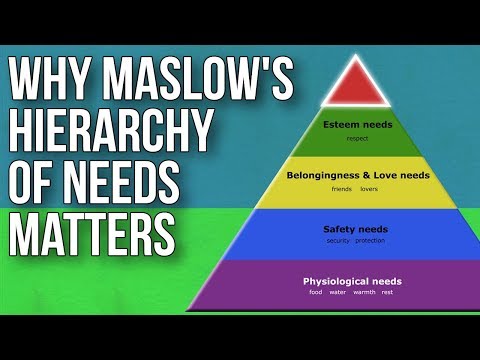
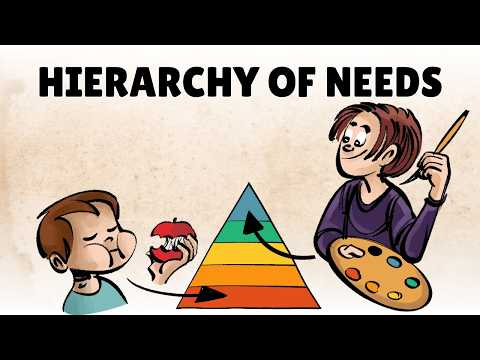
Maslow’s model is usually presented as a pyramid with five distinct layers. We start from the bottom and work our way up, moving to higher levels only after the lower ones are met.
- Physiological Needs: These are the basics for survival—food, water, warmth, and rest. Think about it: if you’re super hungry or thirsty, you’re probably not thinking about anything else!
- Safety Needs: Once we’ve got those basic needs sorted out, we seek safety and security. This could mean having a stable job or living in a safe neighborhood.
- Love and Belonging: After feeling safe, we crave connection with others. You want to be part of a community or have meaningful relationships—friends or family.
- Esteem Needs: Here’s where things get interesting! We all want to feel good about ourselves. That could be through self-esteem or respect from others. Think of it like getting recognition at work or achieving personal goals.
- Self-Actualization: This is the top tier! It’s all about reaching your full potential and becoming the best version of yourself. People who hit this level might pursue creative endeavors or seek personal growth.
So let’s say you start off in a tough spot—maybe you’re struggling to pay rent (hello stress!)—you’ll first focus on those physiological and safety needs before thinking about making friends or chasing dreams.
Now imagine someone who’s secured their basic needs but feels kinda lonely. They’ll likely work on building friendships before trying to conquer the world, right? That need for connection often gets people involved in clubs or social activities.
But it doesn’t always follow this neat path! Sometimes life throws us curveballs and we might swing back down that pyramid. For example, if someone loses their job unexpectedly, that can shake up their sense of safety again.
Maslow believed that not everyone would reach self-actualization because there are so many factors at play—cultural differences, personal experiences, socioeconomic status—all kinds of stuff! So his idea is meant more as a framework than strict rules.
In conclusion (not actually gonna use that word here!), understanding this hierarchy helps explain why people prioritize certain things over others in their lives. Motivation can be complex but knowing these levels gives us some clarity on what might be driving us at any given moment. So next time you find yourself feeling unmotivated or confused about your priorities, think back to Maslow’s pyramid—it just might give you some insight!
Exploring Maslow’s Hierarchy of Needs: Implications for Enhancing Motivation in Legal Practice
Maslow’s Hierarchy of Needs is super interesting when you think about motivation, especially in fields like legal practice. So, basically, this theory breaks down human needs into five levels arranged like a pyramid. Each level must be satisfied before we can focus on the next one.
At the base are **physiological needs**. These include things like food, water, and shelter. If a lawyer is stressed about paying rent or finding their next meal, their focus will likely shift away from their cases. A hungry brain isn’t exactly sharp in court!
Then we move up to the **safety needs**. This includes personal security and financial stability. Imagine a young attorney starting out; they might feel anxious if they’re not sure about job stability or how they’ll pay off student loans. This anxiety can seriously impact their performance.
Next up is **love and belongingness**. Humans crave social connections—whether it’s friendships or professional networks. In legal practice, having supportive colleagues can make a difference in motivation levels. Picture an attorney who feels isolated; they might struggle to find the enthusiasm to go above and beyond for their clients.
After that comes **esteem needs**—this relates to self-esteem and recognition from others. A lawyer who receives accolades for winning cases feels validated! It pushes them to want more and do better work, versus someone who feels overlooked and undervalued, you know?
At the very top of Maslow’s pyramid is **self-actualization**—reaching your full potential! In legal practice, this might mean becoming a partner at a firm or taking on high-profile cases that excite you creatively and intellectually. When lawyers work towards these goals, they often feel more fulfilled and motivated.
To enhance motivation in legal practice using Maslow’s framework:
- Ensure basic needs are met through fair compensation.
- Create an environment where safety is prioritized—think job security.
- Encourage teamwork and connection among staff.
- Recognize hard work with praise or awards.
- Foster opportunities for professional growth—like workshops or mentorship programs.
When all of these layers are supported consistently, motivation thrives! The thing is—it’s all interconnected; neglecting one level impacts everything above it. Psychology shows that recognizing your team’s needs can lead to healthier workplaces where everyone contributes better.
So there you have it! Exploring Maslow’s Hierarchy really shines a light on how understanding human motivations can elevate not just individual lawyers but entire practices as well!
Exploring Maslow’s Hierarchy of Needs: The Motivational Theory Behind Human Behavior
Maslow’s Hierarchy of Needs is one of those concepts in psychology that just makes sense when you think about it. Basically, it’s a motivational theory that tries to explain how our needs drive our behavior. You can picture it as a pyramid, where each layer represents different needs we have as humans.
At the very bottom, we’ve got physiological needs. These are the basics—food, water, shelter, sleep. If you’re starving or freezing cold, you’re not really thinking about your next vacation or your life goals! For example, imagine being out camping without enough food; all you’re going to focus on is filling your stomach.
Next up are safety needs, which include physical safety and emotional security. Once those basic needs are met, you start wanting to feel safe and secure in your environment. Think about how anyone would seek a stable job or a safe neighborhood after they’ve found their way to a decent place to live.
The third layer highlights love and belongingness needs. This is all about connections—friends, family, love interests. We humans crave social interactions and relationships. You might remember that feeling of being left out at school; it stings because belonging is such a powerful need! The absence of this can sometimes lead to loneliness or depression.
Moving up the pyramid brings us to esteem needs. This involves self-esteem and the esteem from others—like recognition for achievements or feeling respected. Imagine landing your dream job but getting zero acknowledgement; over time, that lack of appreciation can really suck the motivation out of someone!
Finally, at the top of Maslow’s pyramid is self-actualization. This is where you get into personal growth and fulfilling your potential—becoming who you truly want to be. It’s that sense of achieving personal goals like writing a book or starting a non-profit after having sorted through the previous layers.
So here’s the thing: usually, we move through these layers in order because one need tends to take precedence over another based on our situation. For instance, if you’re struggling with money (physiological), does it make sense for you to focus on building friendships (love/belonging)? Not really!
But here’s where life gets interesting: people don’t always follow this strict pattern! Sometimes we prioritize love over safety if we feel strongly connected with someone but fear for our well-being in some way. It’s all quite dynamic—you know?
This framework helps us understand why people behave differently based on their circumstances and what they prioritize at any given moment. It also highlights how important it is for societies to address these fundamental needs so everyone has a better chance at reaching their full potential.
In summary: Maslow’s Hierarchy reminds us that human motivation is complex but also pretty relatable once you break it down into layers like that. And understanding this can definitely shed light on behavior patterns in various situations!
Motivation is one of those things that can really make or break our day-to-day lives, huh? It’s like the fuel that gets us moving, whether it’s getting out of bed, pursuing a dream, or just trying to finish that Netflix series you started. But here’s the kicker: not all motivation is created equal. That’s where this whole need hierarchy concept from psychology comes into play.
If you’ve ever heard of Maslow’s hierarchy of needs, you might remember it as this pyramid of sorts. At the base are our most fundamental needs—like food, water, and shelter. Seriously, if you’re hungry or freezing, good luck focusing on anything else! Those needs are foundational. You can’t think about self-actualization—becoming your best self—if you’re worried about where your next meal is coming from.
Once those basic needs are met, we move up to safety needs. Think about it: having a roof over your head and a stable job really helps you feel secure in life. And once we have that sense of safety locked down? Well then we can delve into social connections—the love and belonging stuff. You know those nights when you’re hanging out with friends or family and everything just feels right? That’s what it’s about; we thrive when we nurture our relationships.
But let me share a little story here—there was this time I was juggling work stress and personal issues. I felt like I couldn’t find the drive to do anything productive; my motivation was at an all-time low. Then it hit me: I hadn’t been spending enough time with friends or even doing the hobbies I loved! Once I made some time for my people and got back to what made me happy, my motivation started creeping back in. It’s amazing how filling up on those social connections can totally shift your mindset!
Then there’s esteem—that feeling of accomplishment and respect from yourself and others. We all want to feel good about what we’re doing! Maybe you’ve finished a big project at work or learned something new; that sense of achievement gives you a boost—a little pat on the back that says “Hey, you’re doing great!”
Finally, up at the top of that pyramid is self-actualization—the place where dreams come true (or at least become more real). Here’s where you start pursuing your passion projects or figuring out who you really are deep down inside.
So yeah, motivation isn’t just some random spark—it has layers! It ebbs and flows based on what’s happening in our lives and whether our basic needs are being met first before we chase after higher aspirations. Understanding this hierarchy can really help us figure out why we feel stuck sometimes and what steps we might need to take to lift ourselves up again.
Next time you’re feeling unmotivated or overwhelmed with life’s demands, maybe try checking in on which level of Maslow’s pyramid feels shaky for you. You might find clarity there!