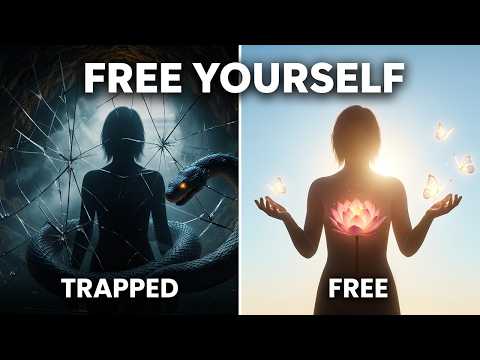
You know that feeling when life just throws a curveball at you? Like, one minute everything’s peachy, and then bam! You’re knee-deep in frustration or sadness.
Negative emotions can really suck, right? But here’s a thought: what if they’re not just annoying? What if they actually help us grow? Sounds a bit wild, huh?
It’s like when you trip and fall. At first, it hurts. But then you get up and realize how to be more careful next time.
That’s the thing about embracing our shadows—those yucky feelings we often want to shove away. They can teach us so much!
Understanding the Concept of Embracing the Shadow: A Comprehensive Guide
Embracing the shadow is a fascinating concept in psychology that digs into recognizing and accepting those parts of ourselves that we often shy away from. These are the emotions, traits, or experiences we deem as “negative” or undesirable. But, really, they’re just as much a part of who we are as our positive traits. Think of it this way: just like a shadow, these elements are always there, lurking behind us.
You know that feeling when you’re angry but you don’t want to admit it? Or maybe you feel jealous but tell yourself you shouldn’t? Well, that’s your shadow sneaking in. The thing is, acknowledging these feelings isn’t about letting them control you; it’s about understanding them.
When we embrace our shadow, we create room for growth. It’s kind of like cleaning out a closet—you might find some old stuff you thought you’d thrown away. Maybe it’s an old anger at a friend who hurt you or feelings of inadequacy because of societal standards. Whatever it is, facing it head-on can be freeing.
Why should you care about your shadow? Well, ignoring these parts can lead to what psychologists call “projection.” That’s when we see our own negative qualities in others instead of recognizing them in ourselves. Ever felt something like jealousy towards someone else? It could be your shadow trying to tell you something about yourself—maybe you’ve been feeling inadequate.
- Acknowledgment: You start by recognizing these emotions without judgment.
- Acceptance: Once acknowledged, accept them as part of your experience.
- Integration: Finally, try to find ways to integrate these feelings into your life positively.
For instance, if you’re often irritated by someone’s attitude at work and can’t seem to shake that feeling off—it might be worth asking yourself why. Is there something within yourself that embodies those same traits? Accepting this could help lighten up the emotional burden you’re carrying.
One emotional story comes to mind: I once knew someone who always seemed cheerful and upbeat. But behind closed doors, they were wrestling with deep-seated insecurities and fears of not being good enough. Instead of letting those shadows consume them, they decided to talk about their struggles with close friends—turning their shadow into a source of strength rather than shame.
So embracing your shadow isn’t just about facing those “bad” emotions; it’s like taking a trip down memory lane or digging into an old box filled with childhood mementos—there can be surprises! And by integrating those bits into who you are today, you’re not only growing but possibly becoming a more complete version of yourself.
In the end, understanding and accepting your own shadow can lead to greater self-awareness and authenticity. So next time you’re feeling something uncomfortable—don’t push it away! Invite it in for a chat instead. You may find that learning from your darker side isn’t as scary as it seems; in fact, it’s often pretty enlightening!
Understanding the Impact of Embracing Dark Emotions: Legal Perspectives and Implications
The topic of embracing dark emotions can feel a bit heavy, huh? But honestly, it’s crucial to recognize that these feelings—like sadness, anger, or anxiety—play a significant role in personal growth. You might think of them as shadows in your life. They’re not just there to rain on your parade; they can actually help you understand yourself better.
When we ignore or suppress these negative emotions, we might miss valuable insights about ourselves. Think about the last time you felt really angry about something. Instead of just pushing that anger down and pretending it didn’t matter, what if you took a moment to explore it? You could realize it stemmed from feeling unheard or undervalued. That awareness is like a little treasure map leading to self-improvement.
Now, let’s talk about the legal perspectives, which can get pretty interesting. Legal systems often reflect societal attitudes toward emotions and behaviors. For instance, if someone commits an act out of intense emotional distress, it might be viewed differently than if they acted with premeditation. That’s where things like mitigating factors come in during trials. Here’s what I mean:
- Mitigating circumstances: These are factors that might lessen the severity of a sentence because they provide context for a person’s actions.
- Emotion-driven defenses: In some cases, defendants may argue their actions were driven by overwhelming emotions.
- The role of mental health: Courts increasingly recognize how negative emotions can impact decision-making and behavior.
Let’s be real—it’s not easy to embrace these feelings when society often tells us to smile through our struggles. Remember my friend Sarah? She used to bottle up her feelings after her parents’ divorce because she thought being angry wasn’t allowed. But when she finally talked it out and expressed her hurt? Wow! It was like lifting a weight off her shoulders!
By embracing those darker parts of ourselves, we open up space for healing and personal growth. This idea filters through legal systems as well since understanding someone’s emotional state can lead to more compassionate responses—not just punishment.
However, there are implications here too! Just because we acknowledge dark emotions doesn’t mean we get a free pass to act on them without consequences. It’s important to channel those feelings constructively instead of lashing out. You know how sometimes people seem stuck in their pain? They’re not growing; they’re just stuck!
In wrapping this up—or whatever—recognizing the impact of dark emotions isn’t just about feeling good or bad; it’s about becoming whole as individuals who learn from every experience—light and shadow alike! This kind of emotional intelligence is powerful both personally and legally because it fosters understanding rather than judgment.
So next time you find yourself feeling down or frustrated, remember: there’s power in those moments. They can guide you toward who you really want to be if you’re willing to embrace them fully!
Exploring the Role of Negative Emotions in Personal Growth and Development
Sometimes, negative emotions can get a bad rap. We tend to think of feelings like sadness, anger, or even envy as the villains in our emotional stories. But, hold up! These emotions actually play a crucial role in your personal growth and development. Let’s dig into this.
When you experience negative emotions, they often act as warning signs. It’s like your inner compass nudging you to pay attention to something that needs fixing. For example, if you’re feeling really down about a job situation, it might mean it’s time to reassess what you truly want in your career. This discomfort can push you to seek change and find something that aligns better with your values.
Embracing these shadows isn’t just about understanding them; it’s also about integrating them into your life. Think of it like this: if you ignore them, they can manifest in unhelpful ways—like outbursts or withdrawal from friends and family. A personal story that comes to mind is when a friend of mine struggled with anxiety during college. Instead of pushing those feelings aside, she sought help and explored what was making her anxious. That journey led her not only to better mental health but also helped her discover her passion for psychology.
Another thing is that negative emotions can motivate action. Ever been really upset about something? That frustration might just spark the desire to make a change! Let’s say you’re frustrated with how people treat each other online; this could inspire you to start an awareness campaign or write articles addressing empathy on social media platforms.
Negative feelings also teach resilience. You know how when things get tough—say after experiencing loss—you often find strength within yourself that surprises you? Those moments are tough but they shape who you are and give you tools for dealing with future challenges.
Here are some key points on why embracing negative emotions matters:
- Self-awareness: By acknowledging what you’re feeling, it promotes understanding of your needs and desires.
- Change: Negative emotions can signal when it’s time for change—whether personally or professionally.
- Motivation: They can fuel the drive to pursue goals that genuinely matter to you.
- Resilience: Navigating through tough times builds a stronger sense of self.
So yeah, don’t shy away from those uncomfortable feelings! Instead, lean into them—and see where they take you. They’re not just hurdles; they’re stepping stones toward becoming who you’re meant to be. Seriously! Embracing the shadows can illuminate paths you’d never thought you’d walk down before.
You know, we often think of negative emotions as something we should just brush aside. Like, if you feel sad or angry, the typical advice is to just shake it off and focus on the positive. But what if I told you that those so-called “shadows” can actually help us grow in surprising ways?
I remember a time when I went through a really tough breakup. At first, I was enveloped by sadness and regret, like a dark cloud hanging over me. The instinct was to push those feelings away—to pretend everything was fine. But after a while, I started to dig into that pain instead of running from it. And wow, did it teach me a lot about myself! It helped me identify what I truly wanted in relationships and what boundaries I needed to set. Seriously, those negative feelings pushed me into a space of self-reflection that felt pretty uncomfortable but ultimately led to growth.
Now, let’s break this down a bit. When you feel things like anger or anxiety, they’re not just annoying bumps in the road; they’re signals. They can tell you that something’s off—maybe in your life or even within yourself. For example, have you ever felt overwhelmed at work? That might be your mind saying it’s time to reevaluate your priorities or maybe even consider setting some boundaries with colleagues.
Embracing these shadows doesn’t mean wallowing in them or letting them control your life. It’s more about acknowledging their existence, feeling them fully, and taking some time to understand why they’re there in the first place. It’s like turning on the lights in a dark room—suddenly, you see not just the negative stuff but also opportunities for change.
Here’s another interesting thing: when you allow yourself to experience negativity without judgment, you develop resilience. You learn how to cope better with future storms because you’ve already weathered some heavy rain before. Like my breakup taught me about vulnerability; now when tough times hit again—whether it’s personal stuff or work-related stress—I’m equipped with some tools and insights.
So yeah, while it feels super tempting to only focus on sunshine and rainbows (because who doesn’t want that?), embracing our shadows can add depth to our emotional lives and aid our personal growth journey. So next time you’re dealing with those pesky negative emotions? Instead of pushing them away like they’re bad roommates crashing on your couch forever—take a moment to invite them in for tea instead! You might find out they’ve got some valuable lessons tucked up their sleeves.