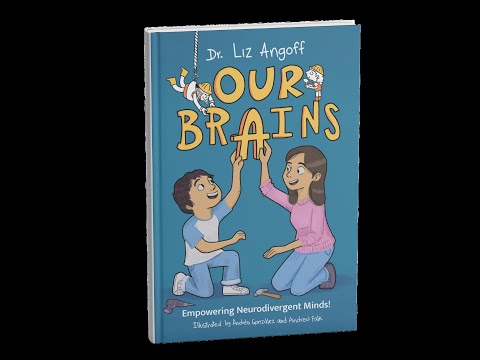
You know, everyone’s brain works a little differently, right?
Some folks think outside the box like it’s their home turf. It’s kind of like having your own special way to see the world.
Honestly, neurodivergent minds—like those of people with ADHD, autism, or dyslexia—are pretty amazing in their quirks and strengths.
Ever met someone who can focus on a million things at once? Or someone who sees patterns in ways we can’t even imagine?
That’s the beauty of neurodiversity! Each unique brain can bring a fresh perspective.
So come along as we unpack the fascinating ways these brains operate and why that’s something worth celebrating!
Understanding the Unique Characteristics of Neurodivergent Brains: Key Differences Explained
When we talk about neurodivergent brains, we’re diving into a fascinating world. Basically, neurodivergence refers to variations in how people think and process information, which can include conditions like autism, ADHD, dyslexia, and more. Each of these conditions comes with its own quirks, strengths, and challenges.
Let’s break it down a bit. Neurodivergent brains may work differently than what most of us consider «typical.» Sometimes this means they excel in areas where others struggle. For example, individuals with ADHD might have bursts of creativity and energy. But at the same time, they might find it hard to maintain focus on tasks that don’t spark their interest. You see?
- Sensory Processing: Many neurodivergent individuals experience the world through heightened sensory awareness. This can mean sounds are louder or lights are brighter. Imagine being at a concert and the music is just overwhelming—this is similar to what some people experience daily.
- Social Interactions: Some neurodivergent folks might interpret social cues differently. For instance, someone on the autism spectrum may not pick up on sarcasm as easily as others do. This doesn’t mean they’re uninterested; it’s just a different lens through which they view interactions.
- Focus and Attention: For those with ADHD, attention isn’t just about being distracted or hyperactive. It can also mean having an amazing ability to hyper-focus on something that captivates their interest—like fixing a computer or writing a story for hours without noticing time passing.
- Diverse Thinking Styles: Neurodivergent individuals often think outside the box! They may come up with innovative solutions that others might overlook because they’re following conventional paths of thought.
An important point to highlight is that these differences aren’t deficits—they’re just variations of human cognition. Like how some people are great at math while others have an incredible knack for art or sports! It’s all part of the beautiful puzzle of human diversity.
This leads us to think about support systems. Understanding these unique characteristics is crucial for education and workplace practices. Being aware means we can create environments where everyone can shine in their own way! Really, when we embrace neurodiversity, we open doors to so many possibilities!
The thing about neurodivergence is it showcases how varied our brains can be—kind of like having different operating systems on computers, right? Each has its strengths and capabilities that make them unique!
If you’ve ever felt out of place because your thoughts didn’t quite match those around you—or if you saw someone else whose brain worked differently—you’ve glimpsed into this world where neurodiversity reigns supremely!
Understanding the 6 Key Principles of Neurodiversity: A Comprehensive Guide
Understanding neurodiversity can feel like stepping into a vibrant, complex world. It’s like looking through a kaleidoscope where each turn reveals a unique pattern of thinking and behavior. Let’s break down the key principles that make neurodiversity so fascinating.
1. A Spectrum of Diversity
First off, you should know that neurodiversity recognizes that there’s a wide range of brain functioning. This isn’t just about autism; it includes ADHD, dyslexia, and other conditions too. Think of it as everyone singing in their own key—together they create a beautiful harmony.
2. Value in Difference
Next up is the idea that differences in brain function shouldn’t be viewed as deficits but as unique strengths. Like some folks might struggle with social cues, but they can also see patterns others miss! I remember my friend Ben who has ADHD; he always notices the tiniest details in paintings that leave others baffled.
3. Acceptance Over Treatment
Another principle is the push for acceptance rather than only focusing on treatment or “fixing” someone. It’s about creating environments where people feel valued for who they are. We’ve all been in situations where we felt different, right? Imagine if society embraced those differences more openly!
4. Individualized Approaches
One size doesn’t fit all when it comes to learning and support strategies for neurodivergent individuals. Each person has their own unique mix of traits and needs, kind of like customizing a pizza with your favorite toppings! Tailoring support means recognizing those individual flavors and what works best.
5. Community and Support
Being part of a community is crucial! Neurodivergent people often find strength and understanding from one another—we thrive together! This sense of belonging can foster confidence and help combat isolation because everyone wants to feel connected, don’t you think?
6. Advocacy for Rights
Finally, advocacy plays a major role here too; it’s about standing up for the rights and recognition of neurodivergent individuals in society. This means working against stereotypes and misconceptions to create more inclusive spaces everywhere—from schools to workplaces.
So there you have it! These principles highlight how varied human behavior can be based on different neurological makeups—a reminder that our world is enriched by these differences rather than hindered by them.
Exploring the Link Between Neurodiversity and Genius: Unpacking the Connection
Exploring the link between neurodiversity and genius is a fascinating topic. It’s like peeling an onion—layers of complexity that reveal so much about how our brains work. Neurodiversity refers to the idea that variations in brain function, such as autism, ADHD, dyslexia, and others, are natural and can bring unique strengths. This perspective really shifts how we view intelligence.
First off, let’s talk about what we often think of as “genius.” We usually envision brilliant inventors or artists who create amazing things. But genius isn’t just about IQ; it’s also about thinking outside the box. And guess what? Many neurodivergent individuals do exactly that! People with autism might have incredible focus on specific interests or skills, which can lead to groundbreaking work in fields like technology or science.
Creativity is another key point. Many neurodivergent people have an unusual approach to problem-solving. They often connect ideas in unexpected ways, which can result in innovative solutions. Think of someone with dyslexia who might struggle with reading but can visualize concepts like nobody else! Their brain processes information differently—sometimes leading to extraordinary artistic talents or inventive thinking.
Then there’s hyperfocus. You know when you’re super into something and lose track of time? That level of concentration can be a superpower for someone with ADHD. They can dive deeply into projects and produce amazing outcomes in short bursts. It’s this intense focus on their passions that sometimes leads to breakthroughs.
Also, neurodiversity enriches teams and collaboration—having a mix of different thinking styles boosts creativity overall. Imagine a team working on a project where one person has an eye for detail while another thinks big picture; they complement each other perfectly!
But here’s the twist: society has mixed feelings about neurodiversity and genius. Often, we highlight successful examples without recognizing the challenges faced by many within these groups. For instance, someone with ADHD may struggle with organization but shine in brainstorming sessions.
So it’s essential to remember that while neurodiversity can be linked to unique strengths and creativity, it also comes with its hurdles. It’s not just simple math; it involves complex human experiences!
In summary, the connection between neurodiversity and genius is rich and nuanced. We need both awareness and appreciation for these differences because they contribute massively to our shared world—whether through extraordinary creations or unique insights that only come from thinking differently!
You know, thinking about how different brains can work really sparks curiosity. Neurodivergence is such a broad term. It covers a lot—autism, ADHD, dyslexia, and more. Each of these experiences brings its own unique flavor to how people think and feel about the world.
I remember a friend of mine who always saw patterns where I didn’t even think to look. She was diagnosed with ADHD. While I’d be stressed over an upcoming exam, she’d create colorful mind maps to visualize her notes. Honestly, it blew my mind! Her brain just works differently, and she’d come up with these creative solutions that weren’t even on my radar.
The thing is, there’s a ton of richness in neurodivergent thinking. Many people have skills or perspectives that can really enhance creativity and problem-solving. Like, let’s face it—everyone has their own strengths and weaknesses, right? But for those who are neurodivergent, sometimes their strengths come from a place that traditional education or societal norms just don’t embrace.
Yet it’s also super important to shine light on the challenges they face too. A lot of times, neurodivergent individuals feel misunderstood or out of place in systems designed for neurotypical folks. Simple things like bright lights or loud noises can be overwhelming; tasks that seem easy can become huge mountains to climb.
It’s kind of sad when you think about how society often misses the opportunity to celebrate this diversity in brain functioning. Instead of fitting everyone into one mold, wouldn’t it be better if we all tried embracing our differences? Recognizing different ways of thinking could lead us towards innovative ideas in workplaces or schools.
So yeah, neurodivergence isn’t just about being “different.” It’s about understanding that there are so many possible ways to experience life and navigate through it all. Embracing this mixture not only enriches our interactions but also encourages more empathy among us as humans trying to coexist together!