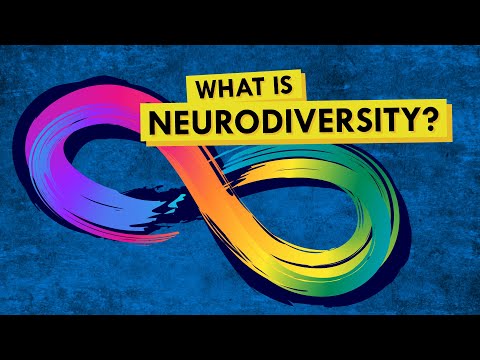
Hey! You know, neurodiversity is such a big deal these days, right? It’s like this amazing rainbow of brains working in all kinds of ways.
Think about it: not everyone thinks or processes the world in the same way, and that’s totally cool. Some folks might see patterns or connections we totally miss. Others may feel emotions more deeply, giving them unique insights into life.
I’ve always been fascinated by how our brains work differently. It’s like each mind has its own superpower. And honestly, some of the most creative thinkers out there are neurodivergent!
So let’s chat about how understanding these differences can help us all—like embracing different perspectives can spark innovation and even friendship. Sound good?
Leveraging Strengths-Based Models to Empower Neurodiversity in Legal Practices
When we talk about neurodiversity, we’re discussing the idea that brain differences like autism, ADHD, or dyslexia aren’t deficits but variations of human experience. This concept challenges the traditional views of what’s “normal” and instead celebrates our unique ways of thinking and processing information. In the legal field, where every detail matters, embracing this diversity can be a game changer.
Strengths-based models shift the focus from what someone might struggle with to what they excel at. This approach can really empower neurodivergent individuals when they work in law firms or legal departments. It’s about recognizing that different perspectives can enrich problem-solving and creativity.
You know how some people are exceptional at noticing patterns or thinking outside of the box? Many neurodivergent thinkers have these strengths! For example:
- Attention to detail: A person with autism might notice things others overlook, making them amazing at tasks like contract review.
- Creative problem-solving: Someone with ADHD might come up with innovative solutions during brainstorming sessions.
- Persistence: Neurodivergent individuals often have intense focus on topics they care about, which is handy when researching case law.
Imagine for a moment a law firm where everyone is celebrated for their unique talents. Picture meetings where neurodivergent minds contribute fresh insights that reshape strategies or enhance team dynamics. Doesn’t that sound productive?
Implementing strengths-based approaches means actively creating an inclusive environment. It’s not just about being accommodating; it’s about promoting **engagement and participation**. Here are a few ways to make this happen:
- Create mentorship programs that pair neurodiverse employees with experienced colleagues who understand their strengths.
- Encourage flexible work arrangements—some people may work better in quieter settings or may prefer remote work options.
- Provide training for all staff on neurodiversity; this helps cultivate understanding and acceptance across the board.
And let’s not forget communication! Clear guidelines and expectations can really help reduce anxiety associated with tasks. For instance, offering written instructions along with verbal cues can be a simple yet effective method.
Think of it this way: by leveraging these strengths, law firms could not only improve their internal culture but also enhance client relations. Clients appreciate diverse teams because they bring multiple viewpoints to complex issues.
In a nutshell, viewing neurodiversity through a strengths-based lens means fostering environments where everyone feels valued—a win-win situation! As practice evolves to become more inclusive, we’ll likely see a shift towards richer ideas and innovative legal solutions that benefit everyone involved.
Effective Communication Strategies for Discussing Neurodiversity in Legal Settings
When you’re discussing neurodiversity in legal settings, effective communication is super crucial. It’s not just about the words you choose but also how you say them. You want to make sure everyone feels heard and understood, right? Let’s break down some strategies that can help.
- Be Clear and Direct: Avoid jargon and complex language. Legalese can confuse anyone, especially if they think differently. Use simple words and straightforward sentences.
- Listen Actively: Encourage questions and take the time to listen. You can often learn a lot from how someone responds or what they ask. It shows respect and promotes understanding.
- Use Visual Aids: Sometimes, words alone don’t cut it. Charts, diagrams, or even videos might clarify your point better than a lengthy explanation. Visuals can help bridge gaps in understanding.
- Acknowledge Different Perspectives: Recognize that people process information differently. This recognition fosters an inclusive environment where diverse thoughts are valued.
- Create a Safe Space: When people feel safe, they open up more. Ensure the environment is comfortable for discussions; if someone’s anxious or stressed, they won’t communicate as effectively.
- Be Patient: Give individuals time to think and respond. Rushing them might lead to misunderstandings or leave them feeling overwhelmed.
- Ask for Feedback: After discussions, ask if your communication was clear or if there was anything confusing. This helps you adjust future conversations for clarity and effectiveness.
I remember once being part of a legal meeting where one participant had autism. The attorney kept using fancy legal terms without checking if everyone grasped the concepts being discussed. It was awkward—everyone seemed lost! But then someone stepped in and started breaking things down into plain language with great visuals. Just like that, the room felt less tense! People started engaging more actively; it was eye-opening to see how simple tweaks made all the difference.
This example shows how adapting your style isn’t just about making things easier; it creates a community feel too! Everyone deserves respect in these conversations—it’s not only professional but also humane.
You’ll find that employing these strategies doesn’t just facilitate discussion around neurodiversity but strengthens overall communication skills within legal settings as well! When we make an effort to be clear and considerate of different ways of processing information, we’re setting the stage for real understanding—and isn’t that what we’re all after?
Understanding Neurodiversity: An APA Definition and Insights
Neurodiversity is a term that’s gaining more traction, and understanding it can really change your perspective on how we view different brain types. In a nutshell, neurodiversity recognizes that neurological differences like autism, ADHD, dyslexia, and others are just variations of the human brain rather than deficits or disorders. Basically, it’s about embracing the fact that people think and process information differently.
So, when you look at it from a psychological angle, the American Psychological Association (APA) emphasizes that these variations can be linked to genetic factors and environmental influences. That means your brain wiring isn’t just a mixed bag of random traits; it’s shaped by a lot of different elements in your life.
Now let’s break this down a bit more. Here are some key points you should keep in mind:
- Valuing Difference: Neurodiversity promotes the idea that variations in cognition are valuable. Think about how unique perspectives can lead to creativity and innovation! Some of history’s greatest thinkers were likely neurodivergent.
- Social Acceptance: The movement encourages society to accept neurodivergent individuals instead of trying to «fix» them. This shifts the focus from changing someone’s behavior to creating an inclusive environment where everyone can thrive.
- Supportive Interventions: Instead of traditional treatments aimed at reducing behaviors associated with neurodivergence, there’s a push for support systems tailored to each individual’s strengths and challenges. It’s not about making you fit into a box but rather figuring out how to navigate life in your unique way.
- A Broader Understanding: Understanding neurodiversity helps challenge stereotypes and stigma surrounding mental health issues. Lots of people might have misconceptions about individuals with autism or ADHD—like they aren’t capable or can’t relate socially—but that’s far from the truth!
Think about someone you know who might think differently than the rest of us. Maybe they’ve got this incredible ability to focus deeply on one thing—yeah, that’s usually characteristic of ADHD or even autism! They might struggle with executive functioning stuff like planning or organizing tasks but shine bright in areas such as art or science.
Another thing worth mentioning is how workplaces and educational settings are starting to adapt as we raise awareness around these issues. More companies are realizing that hiring neurodiverse individuals boosts creativity and problem-solving capabilities. It’s like recruiting new ways of thinking!
At its core, embracing neurodiversity means accepting that every brain has its quirks and strengths—none better or worse than another. So next time you meet someone whose mind works differently than yours, remember: diversity isn’t just about race or gender; it extends deeply into how we all think too!
You know, when we talk about neurodiversity, it’s like opening a window to a whole new world. I remember a friend of mine—let’s call him Jake. He always saw patterns and connections in things that totally baffled me. Like, how could he find meaning in the way leaves swayed in the breeze? It wasn’t until I learned about neurodiversity that I really got it. His brain works differently, processing information in ways that are unique and valuable.
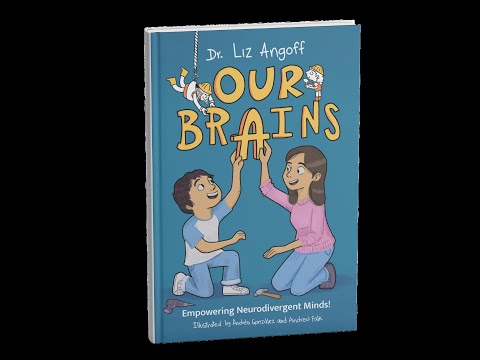
Empowering neurodivergent minds isn’t just about understanding them; it’s also about celebrating their differences. Think about all those times when someone told you to “just focus” or “stop daydreaming.” But what if those so-called distractions are actually gateways to creativity? Neurodivergent individuals often think outside the box, coming up with solutions that might never occur to us standard thinkers.
This brings us to connection—community plays a huge role here. Imagine being part of a group where your quirks aren’t just accepted but cherished! That kind of environment can help unleash potential. When Jake found his crew of fellow artists and free-thinkers, he thrived. They encouraged him, and he began creating beautiful pieces inspired by those intricate patterns he saw everywhere.
And then there’s the whole education system thing. School can be tough for many neurodivergent kids who might feel out of place when compared to their peers. Traditional methods might not click with them, leading to frustration or disconnection from learning altogether. But when we shift our approach—like introducing flexible teaching styles or hands-on projects—it opens up a path for success.
The emotional aspect is huge too. Being understood feels like oxygen for anyone feeling stifled by expectations that don’t fit them snugly! Allowing space for emotion is critical in supporting these minds; they often experience feelings intensely, which is not necessarily bad! And validating those emotions can foster resilience and self-acceptance.
So really, it’s all about perspective: viewing neurodivergence as a different way of being rather than a deficit opens so many doors! By embracing these diverse cognitive styles, society can benefit immensely—imagine the innovation and creativity waiting to burst forth! Instead of focusing solely on fitting into molds created centuries ago, let’s celebrate individuality and harness all those unique talents out there.
In short, empowering neurodivergent minds is not just beneficial for them; it’s beneficial for everyone around them! Let’s cherish that uniqueness because it adds depth and richness to our human experience—and boy do we need more of that in this world!