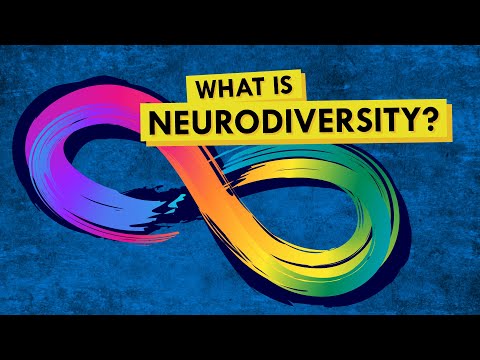
So, neurodiversity. Ever heard the term tossed around and thought, “What’s that all about?” You’re not alone! It’s like, this whole world that changes how we think about brains and differences.
Imagine a rainbow of thoughts and feelings, you know? Some folks are wired one way, others an entirely different way. It’s super interesting to dive into how each unique brain contributes to the big picture of humanity.
But here’s the kicker: understanding neurodiversity isn’t just academic stuff; it can totally change lives. Learning about different ways of thinking helps us connect better, be more inclusive, and appreciate our quirks.
So grab a comfy seat! Let’s unpack this idea together and see what it really means for all of us.
Understanding the 6 Key Principles of Neurodiversity: A Comprehensive Guide
Neurodiversity is a concept that’s gaining traction. It’s about recognizing and embracing the variety of human brains and cognitive functioning. When we talk about neurodiversity, we’re looking at a spectrum of conditions like autism, ADHD, dyslexia, and others as natural variations rather than deficits. So, let’s unpack that with some key principles.
- Variation is Normal: Just like hair color or height, brain wiring varies from person to person. This diversity in thinking styles can lead to unique perspectives and strengths.
- Strengths Over Weaknesses: Neurodivergent individuals often have exceptional skills or talents in specific areas. For instance, someone with ADHD might excel at creative problem-solving thanks to their ability to think outside the box.
- Social Model of Disability: Instead of seeing neurodiverse conditions as problems found within the individual, this principle focuses on how society fails to accommodate these differences. If a classroom environment doesn’t support all types of learners, it’s not the student’s fault if they struggle!
- Acceptance is Key: Embracing neurodiversity means accepting people as they are without trying to change them into a “normal” mold. Picture this: instead of seeing an autistic child who struggles with social cues as needing fixing, we can appreciate their unique way of experiencing life.
- Cultural Context Matters: Different cultures have diverse views on neurodiversity. Some communities might embrace certain cognitive differences while others stigmatize them. The societal context can heavily influence acceptance and support.
- Neuroscience Insight: Researchers are constantly studying the brain to understand how neurodivergent minds work differently, leading us to better strategies for support and engagement.
So here’s the thing: understanding these principles can help change how we perceive and interact with those who think differently. If you’ve ever felt out of place because you didn’t fit into conventional norms—maybe you see patterns in a way that others don’t or find it hard to navigate social relationships—you’re not alone.
Take my friend Alex; he’s brilliant at spotting trends in music but struggles with focused tasks at times. Instead of trying to make him fit a 9-to-5 routine that feels stifling for him, his workplace allows flexibility which plays into his strengths and creativity.
In a nutshell, grasping these six key principles helps us create an inclusive society where everyone has space to thrive—regardless of how their brain works!
Exploring the 11 Types of Neurodivergence: A Comprehensive Guide
Neurodivergence is a term that encompasses various neurological differences that shape how people think, learn, and behave. The idea behind it? Just like any other aspect of humanity, our brains come in different flavors. This diversity isn’t a flaw; it’s simply part of what makes us human. So, let’s explore some of these types and what they mean.
1. Autism Spectrum Disorder (ASD)
This is probably one of the more well-known types. People with ASD might struggle with social communication and may have specific interests or repetitive behaviors. Think of someone who’s really into trains or coding—sometimes, deep focus on a singular interest is their superpower!
2. Attention Deficit Hyperactivity Disorder (ADHD)
ADHD can make it hard to focus or sit still. You might find yourself bouncing from one idea to another or struggling with organization. But here’s the kicker: many people with ADHD are incredibly creative and energetic thinkers! It can feel a bit like having a race car engine in your brain but no steering wheel.
3. Dyslexia
This affects reading and language processing. If you’ve ever found someone mixing up letters or struggling to read aloud without getting flustered, that could be dyslexia at play. But those who experience it often develop unique problem-solving skills and creative approaches to communication.
4. Dyscalculia
If numbers make you want to pull your hair out, you might be dealing with dyscalculia. This is all about difficulty in understanding math concepts and performing calculations—like trying to figure out a tip at dinner while your friends are chatting away.
5. Dyspraxia
Also known as Developmental Coordination Disorder, this affects movement and coordination. You might be clumsy or have trouble with fine motor skills—the classic image being someone who keeps spilling their drink everywhere, even on good days!
6. Sensory Processing Disorder (SPD)
SPD can make ordinary sensations feel overwhelming or unnoticeable at times—like being super sensitive to sounds when everyone else seems totally fine! It’s all about how individuals interpret sensory information differently.
7. Tourette Syndrome
This condition involves involuntary tics—think sudden movements or sounds that seem pretty random but are often outside the person’s control. Tics vary greatly from one person to another; sometimes they’re mild but can also become quite noticeable.
8. Obsessive-Compulsive Disorder (OCD)
While often mistaken for quirky habits, OCD can lead to intense anxiety around certain thoughts or compulsions—like needing everything arranged just so before you can relax! But again, many find ways to channel that energy creatively.
9. Bipolar Disorder
This isn’t just about mood swings; it’s characterized by extreme highs (mania) and lows (depression). Those living with bipolar disorder often experience intense emotions that can really impact daily life but also bring incredible bursts of creativity during those high periods.
10. Schizophrenia
This involves a range of symptoms that might affect how someone perceives reality—including delusions or hallucinations—which creates unique challenges in functioning day-to-day but also offers insights into perspectives beyond typical understanding.
11. Borderline Personality Disorder (BPD)
People with BPD may struggle with emotional regulation and interpersonal relationships—feeling things intensely yet sometimes feeling disconnected from them altogether! Understanding this disorder means recognizing the depth of emotional experiences many go through daily.
So what does all this mean? The thing is, neurodiversity isn’t just something we tolerate—it’s essential for our collective growth!. Embracing these differences adds richness to our communities and helps us understand each other better across various dimensions of life!
Understanding Neurodivergence: Insights into the Psychology Behind Diverse Minds
Neurodivergence is a term you might’ve heard popping up more frequently lately. It basically refers to *different* ways of thinking, learning, and experiencing the world. This includes conditions like autism, ADHD, dyslexia, and others. So why should we care about this? Well, understanding neurodivergence helps us appreciate the vast spectrum of human minds.
Firstly, let’s look at how neurodiversity challenges traditional views on “normal” brains. We often think of a typical cognitive process as the standard—like a straight line. But in reality? It’s more like a colorful tapestry with various threads weaving in and out. Neurodivergent individuals process information uniquely; they might excel in areas where neurotypical individuals struggle.
Secondly, there are strengths that come with being neurodivergent. For example, many people with ADHD are super creative and can think outside the box. They might have trouble focusing on boring tasks but can hyperfocus on things they love! Imagine an artist pouring hours into their painting without realizing time has flown by. Pretty neat, huh?
In addition, we have to consider social dynamics too! For someone on the autism spectrum, social cues might feel overwhelming or confusing—a bit like trying to read a foreign language without a dictionary! But this doesn’t mean they can’t form deep connections or friendships; it just looks different than what we typically expect.
So what’s the deal with how society reacts to neurodivergence? There’s often stigma attached to it. People might see being different as something negative when really it’s just part of human variation. You know? Like some folks are tall while others are short. The thing is, education and awareness can help break down those prejudices.
Lastly, let’s talk about support systems and acceptance. Creating an environment that values diverse minds is key! This means tailored strategies in schools or workplaces so everyone can thrive together. Think of it as building ramps for wheelchairs; sometimes adjustments need to be made for different needs!
In short, understanding neurodivergence opens up conversations about empathy and acceptance in our communities. Embracing these differences not only enriches our society but also fosters creativity and innovation by allowing every voice to be heard!
Neurodiversity is one of those concepts that can really change the way you look at the world, you know? It’s about recognizing that brain differences—like autism, ADHD, dyslexia, and others—are just variations of human experience. Instead of seeing these as “disorders” that need to be fixed, neurodiversity encourages us to appreciate the unique perspectives and skills these individuals bring.
I remember a friend from college who was always a bit different. He struggled with traditional learning methods but had this incredible ability to think outside the box. While others were grinding through lectures, he’d come up with creative solutions that blew everyone away. It showed me early on how different brains can contribute in ways we might not always recognize.
So, what does this mean for society? Well, basically it invites us to embrace rather than stigmatize differences. It’s like shaking hands with the idea that everyone processes information in their own way. And when we accept this diversity—what happens? We create more inclusive schools and workplaces where all types of thinkers can thrive.
This isn’t just some feel-good movement; it’s backed by research that shows how varied cognitive styles can lead to better problem-solving and innovation. Imagine bringing together a team where each person’s got their own unique way of seeing things! That’s like having a toolbox full of diverse tools instead of just a hammer.
Of course, it’s not all rainbows and butterflies. Navigating life as someone who’s neurodivergent can come with challenges too. There’re societal expectations and rigid systems that often don’t accommodate different ways of thinking or processing information—and that can be frustrating!
But understanding neurodiversity helps shift those rigid views towards flexibility and acceptance. It’s like saying: «Hey! Your brain works differently? Awesome! Let’s figure out how we can support each other.»
In short, embracing neurodiversity is about celebrating human variation as something valuable rather than something to correct or marginalize. You know? It reminds us that every brain has its strengths—and maybe if we focused more on those strengths instead of weaknesses, we could create a world that’s richer for everyone involved.