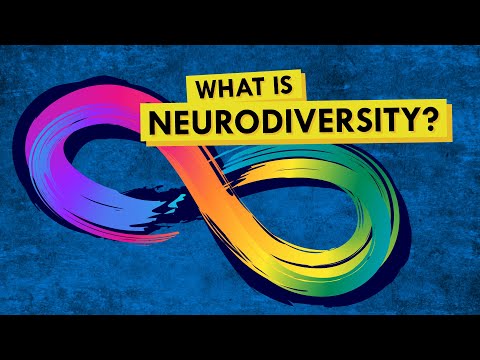
You know, we’ve all got our quirks, right? Some of us are a bit more “different” than others. And that’s totally okay!
Neurodiversity is a term you might’ve heard buzzing around lately. But what’s the deal with it? Why does it matter?
Well, here’s the thing: neurodiversity celebrates those differences instead of just looking at them as “problems.” It shines a light on how our brains can work in unique ways.
Think about all the colors in a rainbow. Each one is special and adds to the whole picture, you feel me? Similarly, every brain brings something different to the table. So, let’s chat about this idea and see how it shapes our understanding of each other!
Exploring Neurodiversity in Adults: Psychological Perspectives and Implications
Neurodiversity is a pretty fascinating concept. Basically, it suggests that variations in the human brain, like autism or ADHD, are just part of natural human diversity. It challenges the idea that these conditions are disorders that need fixing. Instead, it pushes for understanding and valuing different ways of thinking and experiencing the world.
When we talk about neurodiversity in adults, we’re looking at how these traits manifest as people grow older. For example, let’s think about someone with ADHD. As a kid, they might have struggled in school due to hyperactivity or distractibility. But as adults, their brains can help them excel in chaotic environments like emergency rooms or creative industries where rapid-fire thinking is appreciated.
The psychological implications of embracing neurodiversity are huge. For one thing, it can affect how society views mental health overall. Recognizing that differences in cognitive functioning can offer unique strengths means less stigma and more opportunities for support tailored to individual needs.
- Identity and self-acceptance: Being aware of one’s neurodivergent status can lead to enhanced self-acceptance. Imagine someone realizing they’re not inherently flawed but rather different—that shift can be incredibly liberating!
- Workplace dynamics: Companies that embrace neurodiversity often see an increase in innovation because diverse teams bring varied perspectives. Think about it: people who approach problems from different angles can collaborate to find novel solutions!
- Cognitive strengths: Many adults with conditions like autism often have heightened abilities in areas like attention to detail or pattern recognition. Ever met someone who’s amazing with numbers? That skill could stem from a neurodivergent brain!
But it’s not all sunshine and rainbows. Neurodivergent adults still face challenges, especially when navigating a world designed around neurotypical norms. For instance, social situations can be tricky if you process information differently than your peers do.
Lately, there’s been growing awareness about building supportive communities where neurodivergent individuals feel accepted and valued for who they are—a necessary step towards true inclusivity. This means not just tolerating differences but actively seeking out what each person brings to the table.
The conversation around neurodiversity is evolving rapidly! People are starting to recognize that understanding these variations in cognition enriches society as a whole. Remember: embracing this perspective doesn’t just help those who identify as neurodivergent; it opens doors for all of us to appreciate the colorful tapestry of human minds.
Understanding Neurodivergent Testing: Legal Implications and Best Practices
Neurodiversity is a term you might have heard floating around, and it’s all about recognizing that brains come in many shapes and sizes. Some folks are neurotypical (think of the majority of people), while others are neurodivergent, which includes conditions like autism, ADHD, dyslexia, and more. So, let’s break down what happens when it comes to *neurodivergent testing* and the legal stuff around it.
Understanding Neurodivergent Testing
Testing for neurodivergent conditions can be a bit complex. It’s not just about ticking boxes on a form; it’s really about understanding how someone thinks, feels, and interacts with the world. This can involve various methods like interviews, questionnaires, or even observational assessments by psychologists.
Here’s where things get interesting: legal implications. When tests are done to determine if someone is neurodivergent—especially for things like getting accommodations in school or at work—there are legal standards that come into play. You know how people have rights? Well, when you’re testing for neurodiversity, ensuring fairness and accuracy is crucial.
Key Legal Considerations
- Disability Rights: Under laws like the ADA (Americans with Disabilities Act), everyone has a right to proper accommodations if they are diagnosed with a condition.
- Confidentiality: Any testing should protect privacy. Your personal info is yours alone.
- Informed Consent: Before any evaluation happens, the person (or their guardian) needs to understand what will be tested and why.
Let me share a quick story: Imagine Sam, a high school student struggling with reading comprehension due to dyslexia. When his school decided to evaluate him for accommodations, they made sure to follow all legal protocols – from explaining the process clearly to respecting his privacy throughout. Because of this careful attention to detail in testing and adherence to legal guidelines, Sam got the support he needed without any hiccups.
Best Practices in Neurodivergent Testing
So what does “best practices” look like here? It’s about creating an environment that respects individuality.
- Cultural Sensitivity: Test administrators should be aware of cultural backgrounds since these can affect responses.
- Diverse Methodologies: Use various assessment tools tailored for different neurotypes instead of one-size-fits-all tests.
- Collaboration: Involve parents or guardians in the process as they know their child best.
The aim is always to get an accurate picture while providing support along the way. Testing shouldn’t feel like an interrogation; it should feel more like a conversation where you’re understood.
In summary, understanding neurodivergent testing involves knowing not just how it’s done but also recognizing its significance legally and ethically. It’s about fairness—giving everyone access to opportunities based on their unique brain wiring while ensuring they’re treated with respect and dignity throughout the whole process.
Understanding Neurodiversity: Definition, Importance, and Implications
Neurodiversity is a term you might have heard tossed around more and more these days. Basically, it refers to the idea that neurological differences—like autism, ADHD, dyslexia, and others—are just natural variations of the human brain. Imagine a garden with different types of flowers; each one brings its own unique beauty and function. That’s kind of like how neurodiverse minds contribute to our world.
Understanding Neurodiversity means recognizing that these neurological differences aren’t deficits or disorders but rather distinct ways of thinking and processing information. This perspective shifts the focus from trying to «fix» someone to appreciating how their brain works differently.
But why does this matter? Well, embracing neurodiversity can lead to greater acceptance, inclusivity, and understanding in society. It challenges outdated stereotypes and stigmas surrounding mental health conditions. For instance, someone with ADHD might struggle with focus in traditional settings but excel creatively or think outside the box in ways that others might not even consider.
Importance lies in this shift towards acceptance. When you recognize neurodiversity, you’re not only validating those experiences but also making room for innovation and diverse perspectives in various fields like education, technology, and art. Imagine if schools tailored learning environments that accommodated different learning styles rather than forcing everyone through the same rigid system; it could ignite potential in so many kids!
Now let’s talk about some implications. Accepting neurodiversity can reshape workplaces too. Companies that value neurodiversity often see an increase in creativity and problem-solving skills among their teams. Think about it: if everyone on your team thinks exactly the same way, how would you come up with fresh ideas? By valuing diverse cognitive styles, businesses can promote a culture where every voice counts.
However, there are challenges as well—like addressing biases or making spaces more accessible for people who think differently. Society needs to come together to help make adjustments that benefit everyone.
In short, understanding neurodiversity isn’t just about recognizing differences; it’s about celebrating them! It opens doors for connection and collaboration while fostering an environment where everyone can thrive—no matter how their brains are wired. So next time you bump into someone who thinks differently or approaches problems from a unique angle, remember they might just be adding a little extra color to life’s canvas!
Neurodiversity is an interesting concept, right? It’s basically this idea that brains come in all sorts of shapes and sizes. You know how some people are great at math, while others might struggle but can paint like a pro? That’s neurodiversity for you! It embraces the idea that variations in thinking and learning are completely normal.
Let’s be real. I remember a buddy of mine who always had his head in the clouds, not because he was daydreaming, but because he navigated the world differently. School was tough for him, not because he wasn’t smart, but because traditional teaching methods didn’t really click for him. He had ADHD, which made it hard to focus on one task at a time while his mind raced with ideas. But when it came to anything creative? Man, he could flow like a river!
So what does this teach us about neurodiversity? Well first off, it pushes back against the notion that there’s only one right way to think or learn. That rigid mindset kinda ignores the beauty of human experience and potential. There are so many ways to be brilliant!
When we talk about psychology here, it’s crucial to shift our perspective from viewing neurodivergent traits as deficits or disorders to seeing them as different kinds of strengths. It’s like flipping a script; some people might see challenges where others see unique abilities.
So why should we care? Because understanding and embracing neurodiversity can totally change how we interact with each other. If educators and employers recognize these differences and adapt their strategies accordingly, everyone gets a chance to shine—not just those who fit the conventional mold.
At the end of the day, it’s about respect and appreciation for everyone’s mind—the quirky thoughts, unique talents, and even those struggles that make us who we are. So next time you meet someone whose thinking feels out there or different from yours, remember: they might just see things in color when you’re stuck in black and white!