You know how sometimes your brain feels like a total mystery? Like, one minute you’re zoning out, and the next minute, bam! You’re deep in thought about that thing you said five years ago?
Cognitive science is all about figuring out that brain magic. It’s like mixing a bit of psychology with some neuroscience. Seriously, it’s fascinating!
Imagine understanding not just what you think or feel but why you think and feel it. That’s where the fun begins! You get to see how your mind works on a whole new level.
So, let’s explore how these two worlds collide and what that means for us as humans navigating life. Spoiler alert: it’s pretty cool!
Exploring Career Opportunities with a Psychology and Cognitive Neuroscience Degree: Your Path to Success
When you think about a degree in psychology and cognitive neuroscience, it’s like having a ticket to explore a bunch of exciting career paths. You’re not just learning about the mind; you’re also diving into the workings of the brain. Together, they open up many doors for you.
Researcher: One common path is becoming a researcher. You could work in a lab, investigating how people think, learn, and remember. Let’s say you’re studying memory loss; your findings could impact how we treat conditions like Alzheimer’s disease. It’s incredible to think about how your work could change lives, right?
Clinical Psychologist: Then there’s the option of going down the clinical route. With further training and credentials, you could provide therapy to individuals dealing with various mental health issues. Picture yourself helping someone overcome anxiety or depression by using methods grounded in psychological research. It feels rewarding knowing that you’re making a real difference.
Neuroscientist: If diving deep into brain science sounds appealing, consider becoming a neuroscientist. You’d study the nervous system and examine how it influences thoughts and behaviors. Imagine working on groundbreaking treatments for mental illnesses or studying how different parts of the brain communicate with each other!
Human Factors Specialist: Another interesting path is becoming a human factors specialist. This means you’d focus on improving technology and systems to better suit human needs and behaviors. Think about designing user-friendly apps or developing safer car interfaces— pretty cool stuff!
Educational Psychologist: If education sparks your interest, why not look into educational psychology? This role involves applying psychological principles to help students learn better and overcome challenges in school settings—something that can have significant long-term impacts on someone’s life!
Consultant: There’s also consulting work available where you can use your knowledge to help organizations optimize their processes or improve workplace environments based on psychological principles. It’s like being the go-to expert who helps businesses understand their employees better.
In sum, grabbing a degree in psychology and cognitive neuroscience offers many opportunities where you can make an impact in various fields! Whether you’re leaning towards research, clinical practice, or even technology design, remember this discipline gives you insights into one of life’s biggest mysteries—the human mind!
Exploring Career Pathways: Becoming a Neuroscientist with a Cognitive Science Degree
Exploring a career as a neuroscientist with a cognitive science degree is pretty exciting! Seriously, the intersection of psychology and neuroscience opens up a treasure trove of possibilities. Let’s unpack this journey together.
First off, what is cognitive science? Well, it’s basically about understanding how the mind works, blending fields like psychology, artificial intelligence, linguistics, philosophy, and neuroscience. As a cognitive scientist, you’re diving into how we think, learn, and remember. This knowledge is crucial if you want to venture into neuroscience.
Now, let’s talk about **neuroscience**. This field focuses on the nervous system—how our brain communicates with our body and processes information. It’s where biology meets psychology. If you enjoy studying both the *physical* and *mental* aspects of behavior, neuroscience could be your jam!
What does it take to become a neuroscientist? To start with:
- Education: Usually, you’ll need at least a bachelor’s degree in cognitive science or related fields. If you’re really aiming for that neuroscientist title, consider going for a master’s or Ph.D.
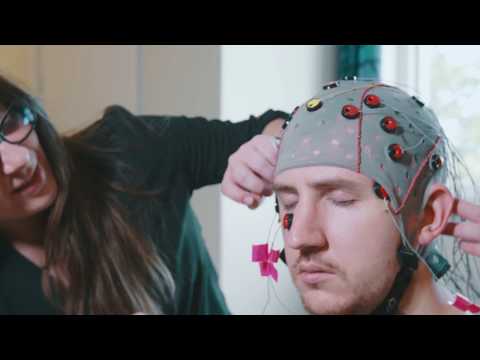
- Research Experience: Getting involved in research during your studies is key. It helps you gain hands-on skills and understand intricate experiments—like using brain imaging techniques!
- Skills Development: You’ll want to develop solid analytical and programming skills too. Neuroscientists often use data analysis software to make sense of their findings.
- Networking: Connecting with professionals in the field can lead to internships or job opportunities down the line.
A friend of mine once interned at a neuroscience lab during college. She worked with researchers analyzing brain scans from patients with various neurological disorders. It was intense but also incredibly rewarding! She got hands-on experience that deepened her understanding beyond textbooks.
So why consider this pathway? For one thing, it feels super fulfilling to contribute to our understanding of brain function and mental health issues. Many neuroscientists work on cutting-edge research that could lead to new treatments for conditions like Alzheimer’s or depression.
However, it’s not all sunshine; there are challenges too! The field can be competitive and demanding; many positions require extensive education and training. Plus, securing funding for research can sometimes feel like climbing Mount Everest.
In summary, merging a cognitive science degree with a passion for neuroscience opens doors to fascinating career paths! You’ll have the chance to explore human thought processes while making significant contributions to mental health research and more.
So yeah—if you’re curious about how we think or want to help others through scientific discovery, this could be your calling!
Exploring the Intersection of Cognitive Science: Bridging Neuroscience and Psychology on Reddit
Exploring the intersection of cognitive science is like wandering through an exciting maze where psychology and neuroscience meet. Both fields are pretty much best buds, working together to unravel the mysteries of how we think, feel, and behave. So, what’s going on here? Let’s break it down!
Cognitive Science is a broad field that looks at how our brains process information. It includes stuff like psychology, neuroscience, philosophy, linguistics, and even anthropology. The aim? Understanding the mind and its functions!
When we talk about neuroscience, we’re diving into the brain’s biology. This is all about neurons and synapses—the tiny building blocks of our thoughts and behaviors. Neuroscience helps us see what happens in our brains when we make decisions or learn something new.
On the flip side, psychology takes a more holistic view. It’s about understanding mental processes through behavior and emotions. Psychologists might study how stress affects decision-making while neuroscientists could look at brain patterns during stressful situations.
In places like Reddit, communities dedicated to cognitive science explore this intersection in real-time! You can find discussions where people share their thoughts on studies linking brain activity with psychological theories. It’s a vibrant space filled with curiosity!
Consider how certain psychological disorders manifest physically in the brain. For example:
- Anxiety: Neuroscientific research shows heightened activity in areas like the amygdala.
- Depression: Studies highlight changes in neurotransmitter levels that affect mood.
When folks on Reddit discuss these topics, they’re not just sharing info; they’re engaging with ongoing research and personal experiences. It creates a dynamic learning environment where everyone’s voice contributes to our understanding of the mind.
Another fascinating aspect is cognitive behavioral therapy (CBT). This therapeutic approach blends psychological principles with findings from neuroscience to change thought patterns and behaviors effectively.
So picture this: you have someone who struggles with negative self-talk. A psychologist trained in CBT might help them reframe those thoughts. Meanwhile, neuroscientists study how these changes affect brain activity over time—like seeing improvement on brain scans!
In essence, bridging neuroscience and psychology helps create a fuller picture of human behavior. The two fields complement each other beautifully; it’s like having both sides of a coin when examining why we think or act a certain way.
And if you’re hanging out on Reddit? Don’t hesitate to jump into conversations! You’ll find passionate individuals eager to share insights or ask questions that spark deeper understanding across these fascinating domains!
Cognitive science is kind of like that cool, eclectic club that pulls together all the brainiacs from different fields. You’ve got neuroscientists, psychologists, linguists, and even philosophers hanging out and comparing notes about how we think and act. It’s pretty fascinating how they all come together to tackle those big questions about the human mind.
Think about it: neuroscience is all about the nitty-gritty physical side of things. It digs into our brains’ wiring and chemistry—how neurons zap signals around and create those wild bursts of thought or feeling. On the flip side, psychology looks at those thoughts and feelings in a more general way, exploring how they shape our behaviors or how we interact with others. Now, combine those two worlds—it’s like mixing peanut butter with chocolate! You get this greater understanding of what makes us tick.
I remember going to a lecture once where a neuroscientist was explaining something really complex about brain plasticity—how our brains can change based on experiences. It was crazy to think that every little thing we do reshapes our minds in some way! Then a psychologist chimed in with an example about how trauma can affect behavior long after the event itself. That’s when it hit me: understanding just one side isn’t enough to get the full picture; you need both perspectives to really grasp what’s going on.
You know, it’s not just academic curiosity; it has real-life implications too. Like when people talk about mental health treatment—the more we learn from both neuroscience and psychology, the better equipped we are to help folks heal or thrive. Whether it’s through medication that’s targeting specific brain pathways or therapy that helps shift thinking patterns, it’s all connected.
But here’s the kicker: sometimes these fields don’t always see eye-to-eye. Neuroscience might focus on brain scans and data while psychology leans into theories of behavior and emotion—sometimes missing out on how they could complement one another! That’s why bridging these gaps is so crucial; when researchers collaborate across disciplines, you uncover insights that can really illuminate human experience.
In a world where we’re constantly trying to make sense of ourselves and each other, cognitive science offers a broad lens—a way to blend science with understanding what makes us human. So the next time you find yourself pondering why you reacted a certain way or felt something deep down inside during an event, remember there might be layers of brain activity behind it all. It’s like peeling back an onion—each layer revealing something fascinating about who you are!