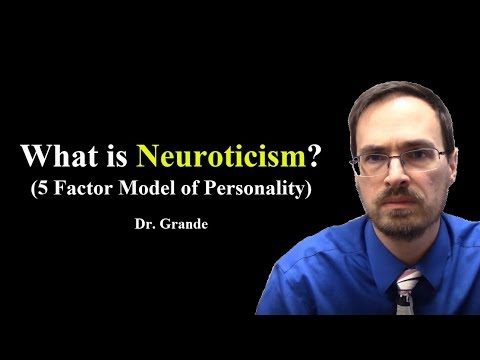
Ever notice how some people seem to worry about everything? Like, they can’t help but stress over the smallest things? That’s what we call neuroticism.
You might be thinking, “What does that even mean?” Well, it’s all about how our emotions play into our personalities. It’s kind of wild, really. You see, understanding this part of ourselves can shed light on why we react the way we do.
I remember a friend who’d freak out about making a mistake in front of others. Just the thought of it would send him into a spiral! And it made me wonder—what’s going on inside his head?
So, let’s chat about neuroticism. It’s not just a fancy term; it’s like a lens into how we cope with life. Ready to explore this quirky side of personality psychology with me?
Identifying Neurotic Traits: A Comprehensive Guide to Recognizing Neurotic Behavior
Neuroticism is such an interesting trait in personality psychology. Basically, it refers to a tendency to experience negative emotions more frequently. If you’re wondering how to spot these neurotic traits in someone—or maybe even in yourself—let’s break it down.
First off, what does neuroticism look like? Imagine someone who tends to worry a lot. You know, like that friend who gets anxious about every little thing? They might stress about their job, relationships, or even just what to have for dinner. This level of anxiety can be pretty overwhelming!
Here are some common neurotic traits:
So, let’s say you’re out with friends and one of them suddenly gets upset over a comment that wasn’t meant to be hurtful at all. That could be a sign of neuroticism at play. It doesn’t mean they’re bad people; it’s just part of their personality makeup.
Anecdote time! I remember this one time when my buddy freaked out over an email he sent at work. He spent hours replaying every word in his head, convinced he’d messed up big time (spoiler alert: he didn’t). That constant need for reassurance is classic neurotic behavior!
Another important point is that while some level of neuroticism can be normal, too much can lead to issues like anxiety disorders or depression. So if you—or someone you know—exhibits these traits regularly, it might help to think about ways to manage those feelings.
It’s also worth noting that not all aspects of neuroticism are negative. Being sensitive and intuitive can foster creativity and empathy. It’s just about finding the right balance!
So there you have it! Recognizing these traits isn’t only about identifying potential issues; it’s also about understanding yourself or others better. Who knows? A bit of awareness might just help your relationships thrive!
Exploring the 10 Neurotic Needs: Understanding Psychological Motivations and Behaviors
There’s this concept in psychology about neurotic needs that’s pretty interesting and can help you understand behaviors better. Basically, neurotic needs are these psychological motivations that can push us into certain emotional patterns. They often stem from anxiety or insecurity and somehow influence how we interact with the world.
Neuroticism is one of the big five personality traits, and it’s all about how we handle our emotions. Folks high in neuroticism might struggle more with stress, anxiety, and feelings of sadness. This makes sense because their needs can kinda pull them into a cycle that keeps those negative feelings going.
Now, let’s get to those neurotic needs! They usually fall into ten categories, and here’s what they look like:
- The Need for Affection and Approval: This is when someone craves love and validation from others. It can lead to people-pleasing behavior or avoiding conflict, just to keep everyone happy.
- The Need for a Partner: Some folks feel incomplete without a significant other. They might cling too tight to relationships or fear being alone.
- The Need for a Unique Identity: This involves wanting to be recognized as special or different. It can lead some people to show off or act out just to stand out.
- The Need for Power: Some people really want control over their environment. This need can manifest in dominance or manipulation of others.
- The Need for Independence: Oh man, this one is tricky! People may push away relationships because they fear losing their freedom.
- The Need for Perfection: Ever felt like you had to do everything perfectly? This need leads folks to be overly critical of themselves (and others!), creating loads of stress.
- The Need for Order: Routines are comforting but needing order too much might make situations feel overwhelming when things go awry.
- The Need for Security: It’s totally natural to crave safety, but some might take it too far, leading them to constantly worry about potential threats.
- The Need for Understanding: Some people need deep conversations and insights from others. If they don’t get that feedback, they may feel isolated or misunderstood.
- The Need for Achievement: There’s nothing wrong with wanting success! But if this need becomes obsessive, it can cause burnout or frustration over unmet goals.
Let’s say you know someone who’s always looking for approval—maybe your friend who constantly posts on social media seeking likes and comments. They’re probably caught up in that first neurotic need: affection and approval! They might feel anxious without the validation from others.
Understanding these needs helps us recognize why we do what we do—or why others act the way they do! You see patterns in behavior more clearly when you connect them with deeper emotional drivers.
The thing is, these neurotic needs aren’t inherently “bad.” Everyone has some level of them because they’re part of being human; it just becomes an issue when they interfere with daily life or relationships. When you find yourself stuck in one of these patterns, it could lead to anxiety spirals—you know what I mean? So recognizing those triggers is quite empowering!
In short, diving into neurotic needs allows you to see the underlying motivations behind people’s actions—your friends’, your own—shining a light on our quirks and challenges as humans navigating this wild ride called life. Pretty insightful stuff when you think about it!
Exploring the Connection Between Neuroticism and Personality Traits: Insights and Implications
Neuroticism is like that nagging voice in your head that worries about everything. You know? It’s part of the Big Five personality traits, which also includes openness, conscientiousness, extraversion, and agreeableness. So here’s the deal: people high in neuroticism tend to experience emotional instability, anxiety, mood swings, and even feelings of inadequacy. But how does this play into other personality traits?
First off, let’s talk about how neuroticism interacts with extraversion. Imagine two friends at a party: one is super outgoing and thrives in social situations, while the other hangs back, feeling anxious. The extravert is probably low in neuroticism; they enjoy being around people without worrying too much. In contrast, the more neurotic friend might overthink every interaction or fear judgment from others.
Now let’s switch gears to conscientiousness. High scores in conscientiousness mean you’re organized and responsible. For someone high in both conscientiousness and neuroticism, there can be a mixed bag of feelings. Sure, they may plan everything down to the last detail—which can prevent some anxiety—but they might also stress excessively about making mistakes or not meeting their own high standards.
Also worth mentioning is the relationship between neuroticism and agreeableness. People who score high on agreeableness are typically kind-hearted and empathetic. However, if you’re also high in neuroticism, you might find yourself second-guessing your intentions or worrying too much about how others perceive you. So instead of just going with the flow during a disagreement with a friend—like saying “Hey, it’s cool!”—you could end up obsessively replaying that moment in your head.
One interesting implication of all this is how it can affect relationships. A partner who has higher levels of neuroticism might create tension or misunderstandings because they react more strongly to criticism or perceived slights. It can lead to cycles of conflict, where one person’s anxiety affects the other’s mood and responses.
Lastly, let’s talk about mental health for a second. High levels of neuroticism are linked to various mental health challenges like anxiety disorders or depression. That’s because when you’re chronically worried or emotionally reactive, it can wear you down over time.
So basically: understanding where someone sits on the neuroticism scale can give you valuable insights into their behavior and emotional patterns. It’s all interconnected! You follow me? These intersections between neuroticism and other personality traits can help us—well—navigate our relationships with more awareness and compassion.
In summary:
- Neuroticism leads to emotional instability.
- Extraversion counters worries.
- Conscientiousness may heighten stress over performance.
- Agreeableness paired with high neuroticism fuels insecurity.
- Mental health risks increase with higher neuroticism.
Pretty fascinating stuff when you think about it! It really shows how complex human behavior can be—and why we sometimes need a little patience with ourselves and each other.
Neuroticism is one of those terms that gets thrown around a lot in personality psychology, and it can be quite the head-scratcher if you’re not familiar with it. Basically, it refers to the tendency to experience negative emotions like anxiety, anger, or sadness more intensely than others. So, if your friend tends to freak out about small things—like forgetting their keys again—they might just have a higher level of neuroticism.
So here’s a little story for you: I remember my buddy Alex. He was one of the smartest people I knew but man, was he a worrier. If we had plans and the weather looked even slightly cloudy, he’d start stressing about everything—canceled plans, getting soaked, or how awful it was going to be if we had to reschedule. Watching him go through all that made me realize how much his personality shaped his experiences. The thing is, neuroticism isn’t just about being moody; it’s like having this emotional filter that turns every little bump in the road into a mountain.
Now, when you think about it more deeply, neurotic traits can have advantages too. People high in neuroticism might be more sensitive to danger or threats. It could make them more cautious and lead them to think ahead in situations where others might just waltz through carelessly. But then there’s that flip side where all those worries can spiral into overthinking and even paralyze decision-making.
In relationships too, neuroticism plays its part. Imagine two friends: one is chill and laid-back while the other is super sensitive and anxious about everything—those dynamics can clash or complement each other in surprising ways. That emotional intensity can lead to misunderstandings but also foster deeper connections when both parties navigate their feelings with understanding.
Ultimately, understanding neuroticism helps us see ourselves and others with a kinder lens. It’s not simply good or bad; it’s part of the colorful spectrum of personality traits that makes each person unique. By recognizing where we fall on that scale—and encouraging our friends to do the same—we can create healthier interactions and maybe even lighten those potential emotional loads a bit!