So, you just became a parent. Big life change, right? Suddenly, you’re responsible for this tiny human who depends on you for everything. It’s like being a superhero—only with less sleep and more diaper changes.
You might find yourself filled with questions about how to support your little one’s development. What are they thinking? How do they learn? Seriously, it can feel overwhelming at times.
Here’s the kicker, though: understanding your child’s psychological growth can actually make things smoother. Knowing what to expect helps you connect better and ease those late-night worries.
So let’s chat about some cool insights into child development that can make this parenting gig a bit easier. Ready to dive in?
Essential Psychological Insights for New Parents: A Comprehensive Guide to Child Development (PDF)
Being a new parent can feel like jumping into the deep end of a pool without knowing how to swim. There’s just so much going on, right? You want to do everything perfectly, but you might feel overwhelmed at times. Well, here’s some essential psychological insights that could help you navigate this wild ride of child development.
Understanding Attachment
One key thing to keep in mind is the concept of attachment. Basically, it’s this emotional bond that develops between you and your baby. This bond shapes how they view relationships later in life. For example, if you consistently respond to your baby’s needs—like feeding them when they’re hungry or comforting them when they cry—they’re likely to develop a secure attachment. This makes them more confident when exploring the world around them.
Emotional Regulation
As your little one grows, they’ll start experiencing a whirlwind of emotions. And guess what? They look to you for guidance on how to handle those feelings. If you model healthy emotional regulation—like expressing your feelings appropriately and handling stress calmly—they’ll pick up on that behavior. It’s like teaching them the ropes without saying a word.
Cognitive Development
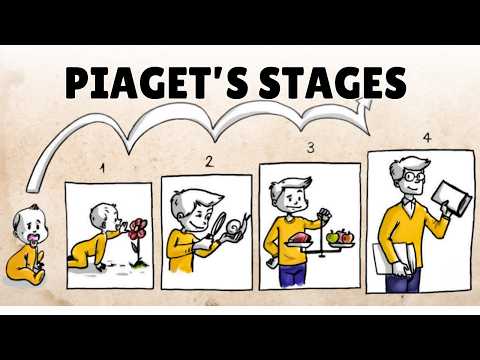
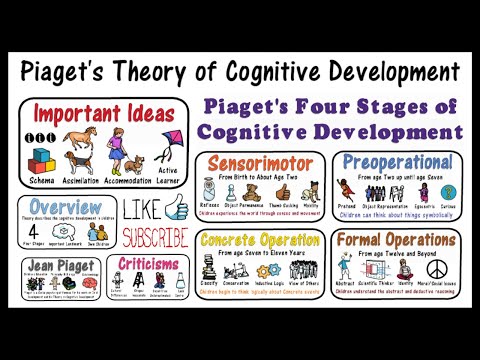
Now, let’s talk about cognitive development. This is all about how your child thinks and learns. Initially, they’re like little sponges soaking up everything around them! Simple things can make a huge difference in their learning—reading together or playing with blocks helps enhance their problem-solving skills! When you engage them in fun activities, you’re setting the stage for their future learning.
Language Development
Speaking of cognitive stuff, language development is super important too! The more you talk to your baby—even if it feels silly—the better their vocabulary will be down the line. Try narrating what you’re doing during everyday tasks or reading colorful books together. It’s all about exposure; the more words they hear, the better!
Social Skills
Let’s not forget social skills! They start developing from an early age as well. When your kiddo interacts with other kids or family members, they learn sharing, empathy and even conflict resolution. So scheduling playdates or family gatherings can offer valuable learning experiences!
The Role of Play
And then there’s playtime! Seriously, it’s not just for fun; it’s crucial for growth! Through play, children explore their environment and test out new ideas and concepts. Whether it’s building towers with blocks or pretending to cook in a toy kitchen, these activities foster creativity and problem-solving abilities.
Your Own Well-being Matters
And hey—don’t forget about yourself! Parenting can be exhausting both mentally and physically. Taking care of your own mental health is vital because happy parents lead to happy kids! Even small self-care practices can recharge your batteries; whether it’s grabbing some “me” time or talking things out with friends.
In summary: every little moment spent nurturing these aspects helps create a solid foundation for your child’s future growth. It’s like watering a plant—consistent love and care will help it flourish over time! Just remember: there are always ups and downs on this parenting journey; embrace every twist and turn because you’re shaping an incredible individual at the same time.
Understanding the Different Types of Parent-Child Relationships: Dynamics and Impacts
Let’s chat about parent-child relationships because, honestly, they play a massive role in how kids develop. You might not even realize just how much your vibe with your kid shapes their world. It’s like the foundation of their emotional and social skills.
Authoritative parenting is often seen as the gold standard. Picture this: a parent who sets clear rules but also listens and provides warmth. They’re not just dictating what to do; they explain why it matters. Kids in these homes usually feel secure and valued, which is great for their self-esteem. They’re more likely to be independent thinkers, making decisions confidently when they grow up.
But then there’s authoritarian parenting. This style’s all about strict rules and high expectations without much warmth or feedback. Imagine a parent saying, “Do it because I said so!” Kids raised this way might do well academically but can struggle with anxiety or low self-worth because they often feel like they can’t meet those high bars set for them.
On the flip side, we have permissive parenting. Here, parents are super loving but tend to avoid setting boundaries. It’s like being friends with the kids instead of guiding them. So, you end up with kids who might struggle with self-discipline and decision-making later on since they never really learned limits. They can be impulsive too! Ever see a teenager throw a party when the parents are away? That’s permissive parenting in action!
Then there’s the neglectful or uninvolved style. This one’s kinda sad, honestly. Parents here may be physically present but emotionally absent—like just going through the motions without really engaging with their child at all. These kids can end up feeling unwanted or unimportant, which tends to affect their emotional development negatively.
Now let’s take a moment to consider how these dynamics impact development overall:
- Emotional regulation: Authoritative kids often have better emotional control because their parents model good communication.
- Social skills: Kids from warm, responsive homes are generally better at forming friendships.
- Coping mechanisms: Those raised in supportive environments learn healthier ways to handle stress.
- Academic success: Kids who know the rules but also feel supported typically perform better in school.
Think about your own childhood for a second—how did your parents’ styles shape who you are today? My friend once told me about her strict upbringing where every mistake felt like a failure; she later realized that affected her confidence at work years later! It just goes to show how deeply these dynamics run.
In wrapping this up, understanding these different types of relationships isn’t just interesting—it’s crucial for new parents! The way you interact with your child lays down tracks for their future actions and feelings. By being aware of your style and its effects, you’re already one step closer to fostering that healthy environment where your kiddo can thrive.
The Role of Family in Child Development: Insights and Research Findings (PDF)
Understanding how family influences child development is like peeling an onion—there are layers and layers to explore! From the moment a child is born, their family environment plays a crucial role in shaping who they become. So, let’s break it down!
The Family Environment
What happens at home sets the stage for a child’s growth. A warm, loving atmosphere helps kids thrive emotionally. Studies show that supportive families can lead to better emotional regulation and social skills. It’s all about those cozy moments like reading bedtime stories or sharing meals together!
Attachment Styles
The way caregivers interact with children creates attachment styles. Think of attachment as the kid’s emotional safety net. A secure attachment means they feel safe exploring the world, knowing they have a rock-solid base to return to. If caregivers are inconsistent or neglectful, it can lead to anxiety or avoidance issues later on.
Modeling Behavior
Kids are like little sponges, soaking up behaviors from their family members. If they see kindness and respect at home, they’re likely to replicate those values outside of it. For instance, a parent who listens attentively teaches their child the importance of communication. Crazy how much kids learn just by watching, huh?
Socioeconomic Status
Let’s talk about resources! Families with more financial stability can provide better educational opportunities and healthcare access for their kids. This affects everything from school readiness to social interactions. But there’s also resilience! Some families thrive despite challenges, using creativity and support networks.
The Role of Siblings
Having siblings can add another layer of complexity! Depending on dynamics, siblings can teach sharing and cooperation—or rivalry! Those relationships significantly shape social skills and conflict resolution abilities as kids learn to navigate their small world.
Cultural Influences
Family culture really shapes values and beliefs! Whether it’s traditions around holidays or approaches to education, these influences impact how children view themselves and their place in society. For example, cultures that emphasize collectivism may encourage children to prioritize family needs over individual desires.
The Impact of Parenting Styles
The style parents adopt—authoritative, authoritarian, permissive—shapes a child’s personality too! Authoritative parenting often leads to more balanced outcomes because it combines warmth with structure; think rules paired with love!
In summary, family is a cornerstone in child development nurturing emotional bonds that affect social behavior and cognitive growth throughout life stages! Each family’s unique mix of love, interaction patterns, roles—all contribute seriously shaping future adults out there in the big wide world.
So next time you think about family dynamics in relation to child development remember—it’s an ongoing journey filled with lessons at every stage!
Becoming a parent is a wild ride, isn’t it? You go from being your own carefree self to suddenly having this tiny human who depends on you for everything. It’s like, whoa, what just happened? Through all the sleepless nights and overwhelming love, there’s a whole world of child development that can feel pretty mind-boggling.
Let’s talk about something really cool—attachment. This is basically the bond you build with your baby. Think of it as their emotional safety net. When you respond to their needs (like feeding or comforting when they cry), you’re helping them feel secure. I remember when my friend had her first baby; she was so worried about how to soothe him. She started just holding him close and talking softly, and after a while, he learned that he could trust her, that she was his safe place. It sounds simple, but it’s foundational stuff.
Then there’s the whole idea of milestones. You know, those little checkpoints like rolling over or saying “mama.” It’s so easy to get caught up in comparing your kid with others—you see those posts online about babies walking at eight months or whatever—and suddenly you’re freaking out if yours isn’t doing the same! The thing is, every kid develops at their own pace. Try not to sweat it too much! Supporting them in exploring and learning in their own way will do wonders for their confidence.
Also, let’s touch on emotional regulation for a sec. Kids aren’t born knowing how to handle big feelings; they learn from watching you. When a toddler throws a tantrum (and trust me—they will), it’s an opportunity for you to model some calmness and understanding. Maybe take a deep breath together or talk through what they’re feeling instead of just saying “no” all the time. I’ve seen parents turn these moments into learning experiences rather than just frustration.
And don’t forget about play! It might seem like just fun and games but actually, playtime helps develop social skills and creativity. That little dance party in the living room? Yeah, that’s building confidence and communication skills right there! I chuckle thinking back to how my cousin would turn laundry day into a mini concert with her kids—best way ever to make chores less boring!
So really, as new parents, focus on nurturing that bond with your child while fostering an environment where curiosity blooms and emotions are validated. Just remember: it’s okay not to have all the answers right away; parenting is more of an experience than an exact science anyway!