You know that feeling when your mind is just racing? Like, a thousand thoughts are zooming in and out, and you can’t catch a break? Yeah, many of us have been there.
What if I told you there’s this cool thing called mindfulness that can help you chill out a bit? It’s not some magical solution or anything, but it really does have its perks.
Imagine being able to take a step back from that whirlwind of thoughts, just for a moment. Seriously, it’s all about being present and soaking up those little moments in life.
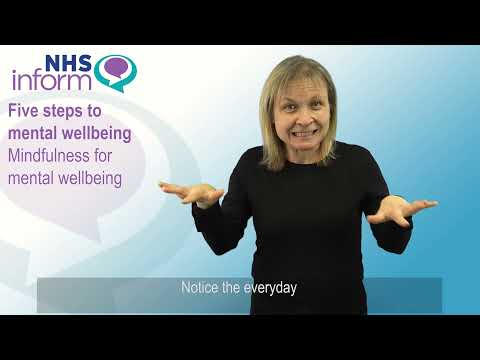
And guess what? The NHS has jumped on board with this whole mindfulness thing. They’re using it as part of their mental health approach to boost our well-being. How awesome is that?
So if you’re curious about how this works and why it might make your life feel a little lighter, stick around!
NHS 5 Steps to Wellbeing: Enhance Your Mental Health and Resilience
So, the NHS 5 Steps to Wellbeing is a cool framework designed to give your mental health a little boost. Think of it like a guide to help you feel more balanced and resilient. The steps are pretty straightforward, but they pack a punch when it comes to impact!
1. Connect: Building strong relationships is huge for your wellbeing. When you connect with friends or family, it creates a support system that helps during tough times. Imagine sharing a laugh with an old buddy or simply having coffee with someone who gets you—it’s those little moments that can make all the difference.
2. Be Active: Moving your body can seriously up your mood! Whether it’s going for a walk, hitting the gym, or dancing in your living room, exercise releases endorphins—those feel-good chemicals that give you a natural high. Even I remember feeling way more upbeat after just thirty minutes of light jogging back in college.
3. Take Notice: This one’s about being present and mindful. When was the last time you stopped to appreciate the little things? Like feeling the sun on your face or noticing how beautiful the trees look in fall? Practicing mindfulness helps you stay grounded and can reduce feelings of stress.
4. Keep Learning: Trying new things keeps your brain engaged and excited about life! Like, learning a new skill, taking up a hobby, or even just reading an interesting book expands your horizons and gives you something fresh to think about. Remember when I picked up cooking? It turned into not just meals but an adventure!
5. Give: Helping others feels good—seriously good! Whether it’s volunteering, helping a friend move, or even just being there for someone in need contributes positively to your own mental health as well as theirs. It’s like this neat little cycle of kindness that keeps everyone uplifted.
So basically, each of these steps plays a part in creating a happier mind and stronger resilience over time. It’s not about perfection; it’s more like finding what works for you personally within these five areas and adding them into your life gradually! You follow me? It’s just about making little changes that lead to bigger shifts in how we feel overall.
10 Essential Tips for Safeguarding Your Mental Health
Sure! Here’s a friendly take on safeguarding your mental health, with some key points to consider.
1. Prioritize Self-Care
Taking time for yourself is super important. Whether it’s a warm bath, reading a book, or just chilling with your favorite music, you gotta squeeze in moments that make you feel good. It’s like charging your phone; if you don’t recharge, it runs out of battery!
2. Stay Connected
Human beings are social creatures. So spend time with family and friends! Share your thoughts and feelings; it can lighten the load. I remember chatting with my buddy during a tough time, and just that connection helped me feel way less alone.
3. Move Your Body
Exercise isn’t just for getting fit; it releases happy chemicals called endorphins! You don’t need to run a marathon—just a walk around the block can lift your mood and clear your mind.
4. Practice Mindfulness
Mindfulness means paying attention to the present moment without judgment. Try simple breathing exercises or just notice what’s around you—the colors, sounds, feelings. It helps you ground yourself when life feels overwhelming.
5. Set Boundaries
Learning to say “no” can be tough but necessary for your mental well-being. Protect your energy by recognizing what drains you and what lifts you up. If something feels too much, trust yourself to step back!
6. Limit Social Media
Scrolling through feeds can be fun but also exhausting and anxiety-inducing at times. Try taking breaks—like digital detox weekends—to refresh your mind.
7. Embrace Routine
Having some daily structure can really help in maintaining balance in life. Create simple schedules for work, relaxation, and social activities so that each day has purpose without too much chaos.
8. Pursue Hobbies
Engaging in activities that interest you can really boost emotional health! Whether it’s painting, writing or gardening—whatever makes your heart sing is worth putting time into.
9. Seek Professional Help If Needed
If feelings get overwhelming or persistent, reaching out for support is completely okay! Talking to someone trained can feel like lifting weights off your chest—you don’t have to carry everything alone.
10. Focus on Sleep
Never underestimate the power of a good night’s rest! Sleep impacts mood and cognition significantly; try sticking to regular sleep patterns if you can.
So yeah, safeguarding mental health is about balance, connection, and self-awareness more than anything else! Everybody’s journey looks different—but small steps count big time when it comes to taking care of yourself!
Exploring the Integration of Mindfulness Practices in NHS Mental Health Services
Oh boy, let’s talk about mindfulness and how it’s fitting into the NHS mental health services. It’s a pretty interesting topic, honestly. Mindfulness is all about being present in the moment and accepting it without judgment. You know, like when you’re eating a piece of chocolate cake and you really focus on the taste rather than just chomping down mindlessly? Yep, that’s mindfulness for you.
Now, integrating mindfulness into mental health services can be super helpful. Recent studies show that practices like mindfulness meditation can help reduce symptoms of anxiety and depression. Imagine if people could take a moment to breathe deeply or notice their thoughts without getting swept away by them? That sounds pretty calming, right?
The key benefits of mindfulness in mental health might include:
- Stress Reduction: Practicing mindfulness can lower stress levels significantly.
- Emotional Regulation: It helps people recognize their emotions and respond to them more effectively.
- Improved Focus: Mindfulness can enhance concentration and cognitive function.
- Better Relationships: Being more present often leads to improved communication with others.
So how is the NHS putting this into practice? Well, some services have started incorporating mindfulness-based interventions as part of their therapy options. This could look like group classes where people learn techniques together or even individual sessions where someone guides you through breathing exercises.
You might remember the story of a friend who felt overwhelmed with work stress. They began attending a weekly mindfulness workshop through their NHS local service. At first, they were skeptical—“How will breathing help me?” they thought. But over time, they found themselves feeling calmer during stressful times at work.
Mindfulness doesn’t just happen overnight though; it takes practice! The NHS recognizes that not everyone will respond to it in the same way. That’s why offering various approaches within mental health care is crucial.
The future integration of mindfulness looks promising too! As more research backs up its effectiveness, we could see even more programs popping up across different regions. If more healthcare providers jump on board with this approach, there might be an increase in positive outcomes for patients seeking help.
In short, integrating mindfulness into NHS services feels like a step towards creating a more holistic approach to mental wellness. It’s not just about treating symptoms; it’s about equipping individuals with tools for long-term well-being—you know?
So, let’s chat about this whole NHS Mindfulness thing. You know, mindfulness has been popping up everywhere—it’s kinda like that friend who never leaves the party because they’re just having too much fun. But what’s the deal, really? It’s all about being present and aware of your thoughts and feelings without judgment. Think of it as a mental spa day.
I remember a time when I was super stressed out. I had deadlines piling up and felt like a balloon ready to burst. A friend suggested trying mindfulness, which sounded a bit… well, out there at first. But hey, anything was better than feeling like I was on the brink of losing it! So I gave it a whirl.
One thing that struck me was how simple it actually is—just focusing on your breath for a few minutes or paying attention to your surroundings. It sounds almost too easy, right? But that’s where the magic is. When you’re mindful, you’re not caught up in the chaos of your thoughts. It’s like stepping out of the whirlwind for just a moment.
The NHS promotes mindfulness as part of its approach to mental health, encouraging people to take care of their minds just as much as they do their bodies. They recognize that mental well-being is crucial and that techniques like mindfulness can be super helpful for anxiety and stress reduction. You don’t need crazy elaborate methods or fancy equipment—just you and your breath.
It’s not about getting rid of all negative thoughts; it’s more like watching them float by without getting tangled up in them. Kind of like clouds moving across the sky—you see them but don’t have to let them rain on your parade.
Practicing mindfulness can help shift perspectives too—it helps you realize that feelings come and go. The more you practice, the better you get at handling whatever life throws at you. And honestly? That feels pretty empowering!
Anyway, if you’re looking for a way to enhance your overall sense of well-being without diving into complicated therapy sessions or emotional gymnastics, give mindfulness a shot! Who knows? It might just become your new best friend in navigating life’s ups and downs!