So, have you ever tried to just chill and clear your mind? It’s way harder than it sounds, right?
That’s where Nidra meditation comes in. Seriously, it’s like a cozy blanket for your brain. You lie down, relax, and let your thoughts drift away—no pressure.
People have been raving about how it enhances well-being and even boosts insight. Sounds pretty neat, doesn’t it?
Imagine coming out of a session feeling more centered and aware of yourself. That’s the magic of it!
Ready to explore this chill world a bit more? Let’s dive into the why and how of Nidra meditation!
Unlocking Rest: The Sleep Equivalent of 30 Minutes of Yoga Nidra
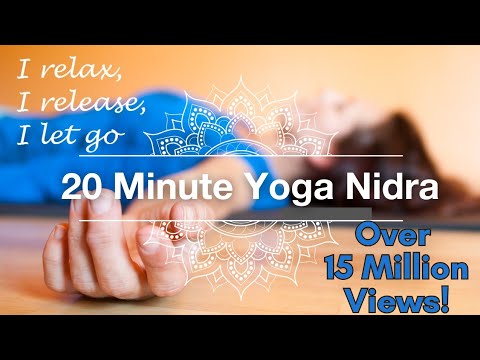
Finding a way to relax and recharge is something we all need, right? When it comes to rest, sleep is essential, but sometimes we can’t get those z’s. That’s where things like yoga nidra come in. Basically, it’s a form of guided meditation that helps you settle into deep relaxation without actually falling asleep.
So, what’s the big deal about yoga nidra? Well, studies suggest that just 30 minutes of this practice can provide you with benefits similar to a full night’s sleep! It’s like pressing the reset button on your mind and body. You might find this surprising but there’s some interesting science behind it.
When you’re in yoga nidra, your brain waves slow down. This state is similar to what happens during deep sleep. And this can lead to enhanced psychological well-being. When you let go of stress and anxiety, you’re more open to insight and creativity. Seriously! It’s not just woo-woo stuff; there’s evidence showing that people report feeling more balanced and focused after practicing yoga nidra.
- Mental clarity: Many people find when they do yoga nidra regularly, their ability to think clearly improves.
- Emotional release: It can help you let go of pent-up emotions—like those times when you feel anxious or overwhelmed. Perfect for after a long day!
- A total relaxation experience: The whole idea here is to help you reach that sweet spot between wakefulness and sleep.
An anecdote: I remember a buddy who tried yoga nidra after struggling with insomnia for ages. One night he decided to give it a shot before bed instead of scrolling through his phone—trust me, we’ve all been there! The next day he said he felt more rested than ever. He even mentioned how ideas for his work started flooding in after those sessions!
You might be curious about how it actually works. Well, while lying down or sitting comfortably, an instructor guides you through body awareness techniques. You focus on different parts of your body while breathing deeply—almost like you’re floating in space! That sounds dreamy right?
The amazing thing about this practice is that it’s accessible for everyone; you don’t need any fancy equipment or years of experience. Just cozy up somewhere quiet and let someone guide you through it.
Add it all together, and yoga nidra could be the key ingredient missing from your self-care routine. It’s not just about catching some extra sleep but unlocking a treasure chest full of mental benefits.
The bottom line: if you’re searching for deeper rest amidst the chaos of life or simply want to boost your overall well-being, consider giving yoga nidra a whirl! Sometimes slowing down is exactly what we need.
Discover the Benefits of Nidra Meditation for Enhanced Psychological Well-Being and Insight | YouTube Guide
Nidra meditation, often referred to as yogic sleep, is a unique practice that can lead to some pretty amazing benefits for your psychological well-being and insight. So, let’s get into it!
First off, what’s Nidra meditation? It’s a state between wakefulness and sleep where you’re guided through deep relaxation. Unlike regular meditation that often requires focus on your breath or thoughts, Nidra allows you to drift into a state of awareness while your body rests. It’s super interesting because you’re awake enough to absorb the experience but relaxed enough to let go of stress.
Some key benefits include:
- Stress Reduction: Nidra helps calm the nervous system. When you’re in that deep relaxation phase, your body’s stress response dips significantly. You know how sometimes just lying down can feel like a mini-vacation? Well, this takes it up a notch.
- Improved Sleep Quality: Regular practice can help with insomnia and enhance overall sleep quality. It’s like training your body to unwind more efficiently! Imagine waking up feeling rested and ready for the day.
- Enhanced Emotional Health: By diving deep into relaxation, you allow yourself to process emotions without judgment. Ever had one of those days where everything feels heavy? Nidra can lighten that emotional load.
- Increased Self-Awareness: As you journey through the practice, you’ll likely find insights about yourself popping up—thoughts or feelings you’ve pushed aside may come forward. It’s almost like having a mental chat with yourself!
Think about a time when you felt overwhelmed or anxious. Maybe you’ve had those moments lying in bed, just dealing with racing thoughts. Nidra could help transform that tension into peace.
The science behind it is also fascinating! Studies have shown that Nidra meditation can lower cortisol levels (that pesky stress hormone) and enhance overall mood by increasing levels of serotonin and dopamine—the feel-good chemicals in our brain.
You might be wondering how long this all takes? Great news! You don’t need hours to reap these benefits; even 20 to 30 minutes of focused nidra practice can make a significant difference in how you feel emotionally and mentally.
So if you’ve been curious about trying out some form of meditation but felt intimidated by sitting still or focusing intently on your breath, nidra might just be your new best friend! It’s all about creating space for yourself—no pressure, just gentle exploration.
Give it a shot next time you’re feeling stressed or simply need some downtime for your mind! You may find that it’s not only refreshing but also eye-opening in ways you’d never expect!
Unlocking Restful Sleep: The Benefits of Yoga Nidra for Managing Anxiety
Yoga Nidra, or «yogic sleep,» is kinda like a mini vacation for your mind. It’s a state of consciousness between waking and sleeping, and it can be super helpful when you’re dealing with anxiety. If you’re wondering how this practice can help you get some restful sleep while easing those anxious vibes, stick around!
First off, let’s talk about anxiety. It’s that nagging feeling that just won’t quit. You might feel it in your chest or notice those racing thoughts keeping you awake at night. When you’re anxious, your body goes into fight-or-flight mode, which makes it tough to relax and drift off to dreamland.
Now, this is where Yoga Nidra comes into play. During a typical session, you lie down comfortably and follow a guided meditation. The voice leading you helps direct your attention away from those anxious thoughts and towards relaxation. It’s like hitting the reset button for your brain!
So why is this beneficial? Well, when you’re in that relaxed state achieved through Yoga Nidra, your body gets a chance to heal. Stress hormones like cortisol decrease significantly. And what does that do? It reduces anxiety levels! Imagine lying there, feeling all the tension melt away… feels good right?
Here are some key points about how Yoga Nidra helps manage anxiety:
- Promotes deep relaxation: Your mind quiets down, giving your body time to unwind.
- Improves sleep quality: Regular practice can lead to longer periods of uninterrupted sleep.
- Aids emotional regulation: You learn to observe emotions without getting overwhelmed by them.
- Cultivates mindfulness: Enhances awareness of thoughts and feelings, which makes them less scary!
Think about it this way: have you ever had a day where everything felt too much? Then imagine lying down after that day and being guided through a soothing experience that leaves you peaceful—like magic!
And here’s an interesting tidbit: many people report falling asleep during their first few sessions of Yoga Nidra. But don’t worry if that happens; it just means your body really needed the rest! Over time though, as you become more familiar with the practice, you’re likely gonna stay awake and enjoy the benefits fully.
You might be wondering how long does one need to practice Yoga Nidra? The awesome part!: even 20-30 minutes can do wonders. Just set aside some quiet time before bed and give it a shot.
In short, if managing anxiety while improving your sleep sounds appealing (and who doesn’t want more restful nights?), giving Yoga Nidra a try could be worth it. It’s all about finding what works for you—remember everyone’s journey is unique!
So next time you’re feeling those anxious thoughts creeping in before bedtime, consider rolling out your mat and diving into some relaxing Yoga Nidra instead of scrolling through Instagram or worrying about tomorrow’s plans. Your mind (and body) will definitely thank you!
Nidra meditation, or yoga nidra, has this unique vibe to it that makes you feel cozy and relaxed, like curling up with a good book on a rainy day. You know what I mean? It’s this state between being awake and asleep, where you can really dig deep into your mind without all the usual distractions.
When I first tried it, I was skeptical. Laying there, just focusing on my breath and body sensations? It felt too simple to have any real impact. But then something clicked! As I drifted deeper into that relaxed state, I could almost feel the weight of stress lifting off my shoulders. Seriously, it’s like finding a hidden stash of chocolate when you’re having a rough day—it just makes everything better.
The beauty of Nidra is its accessibility. Anyone can jump in without needing to be super experienced in meditation practices. Maybe you’ve had those days when your mind just won’t shut up? With Nidra, the whole point is to observe those thoughts without getting caught up in them. You’re basically giving yourself permission to let go… and that feels liberating.
What’s cool is how it correlates with psychological well-being. Practicing regularly could help reduce anxiety and improve overall mental clarity because you’re tuning into yourself rather than letting life’s chaos take over. It’s like taking a moment to reset your computer—suddenly everything runs smoother!
Plus, there’s something about setting an intention during Nidra that really sticks with me. When you’re conscious of what you want or need from the experience—whether that’s peace, understanding, or just some space—it helps shape your journey within those moments. It’s almost like whispering a little secret to yourself about what matters most right now.
In essence, Nidra meditation isn’t just about relaxation; it’s about connection—connecting with yourself on a deeper level and fostering insight into what really drives your emotions and behaviors. Like peeling back the layers of an onion (without the tears!), each session brings more clarity.
So if you haven’t tried it yet—or even if you’ve dipped your toes but never truly dove in—consider giving Nidra meditation another shot. It might just surprise you with how much insight and peace it can bring into your life!