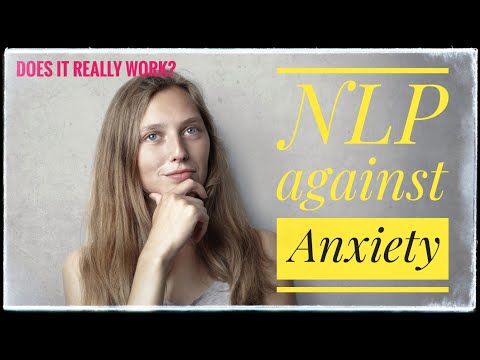
So, let’s chat about something pretty cool—NLP therapy. You might be thinking, “What’s that?” or “Does it even work?” Well, you’re not alone in that!
Imagine having a toolset for your brain. Sounds nice, right? NLP, or Neuro-Linguistic Programming, is all about how our thoughts and language shape our experiences.
You’ve probably had those moments when your brain just won’t chill out. Or maybe feelings seem to take over outta nowhere? Yeah, we’ve all been there. NLP can help with that kind of stuff in a fun way!
It’s more than just talking things out; it’s like rewiring your brain to think differently. Curious yet? Good! Let’s dive into how this works and why it might help you feel a bit better about life.
Exploring the 7 Essential NLP Techniques for Effective Communication and Personal Development
Communication is a fundamental part of being human. When you think about it, we’re always trading words, ideas, and emotions. It’s pretty wild, right? Enter NLP, or Neuro-Linguistic Programming. Now, that might sound super fancy, but it basically explores how our thoughts (neuro), language (linguistic), and behaviors (programming) tie into the way we communicate with ourselves and others.
So, let’s explore seven essential NLP techniques that can help you sharpen your communication skills and contribute to personal development.
1. Anchoring
This technique taps into your memories to create emotional triggers. For example, if you always listen to a specific song while studying and then nail your exams, that song can become an “anchor” for focus and motivation in the future. Anytime you hear it again, it’s like hitting the reset button on that productive vibe.
2. Mirroring
You ever notice how people often mirror each other’s body language? When you subtly mimic someone’s posture or gestures during a conversation, it creates a sense of connection and trust. This doesn’t mean you should be weird about it—just pick up on their flow naturally.
3. Reframing
Sometimes our minds get stuck in a negative cycle—like when we see failure as the end of the world! Reframing helps switch up those thoughts. Instead of thinking “I messed up,” try seeing it as “I learned something valuable.” It’s about shifting perspectives to make experiences more positive.
4. Visualizations
Imagine you’re preparing for a big presentation. Instead of feeling anxious about it, close your eyes and picture yourself smashing it—confidently addressing everyone with passion! This mental rehearsal actually preps your brain for success.
5. Language Patterns
The choice of words can shape conversations significantly. You might say “I can’t do this,” which sounds pretty final, but what if you switched that up to “I’m learning how to do this”? That little change opens doors instead of closing them!
6. The Swish Pattern
Here’s where things get interesting! If there’s an unhelpful behavior or thought pattern bugging you—not being confident in social situations, for example—you visualize that thought as an image in your mind. Then imagine replacing it with a more positive image—like yourself confidently chatting away at a party! It sounds strange but can be quite effective over time.
7. Goal Setting with SMART Goals
NLP encourages setting S.M.A.R.T. goals—Specific, Measurable, Achievable, Relevant, Time-bound goals make things clearer than just saying “I want to be better.” Think about how much clarity comes from saying «I want to read one book per month» instead of just wanting to read more.
And look—it may sound like magic or some cutting-edge technique outta sci-fi but really—it’s all about understanding how we communicate internally and externally in ways that build better connections with ourselves and others around us. You know? So next time you’re in a tricky conversation or feeling stuck on something personal, consider reaching into these NLP techniques!
Understanding the Key Differences Between EMDR and NLP: A Comprehensive Guide
So, let’s break down the key differences between EMDR (Eye Movement Desensitization and Reprocessing) and NLP (Neuro-Linguistic Programming). They’re both popular in the mental health realm, but they’re pretty different in terms of approach and techniques.
EMDR is primarily used for trauma treatment. Imagine someone who’s been through a tough car accident. Their brain might keep replaying that event, making it hard to move on. EMDR helps by using bilateral stimulation—like moving your eyes back and forth while recalling the trauma—to process those memories in a healthier way.
On the flip side, NLP is more broad and can be used for various applications like personal development and communication improvement. Picture someone who wants to boost their confidence before giving a presentation—NLP offers tools for that!
A little emotional story: Imagine a friend named Sarah who struggled with anxiety at work because of her previous job where she faced constant criticism. After going through EMDR therapy, she was able to revisit those harsh experiences in a safe space while processing them with her therapist. Gradually, Sarah found herself feeling less anxious when giving updates at meetings!
If Sarah had chosen NLP instead, she might’ve worked on boosting her confidence through visualization techniques or by learning specific language patterns to communicate more effectively without digging into past traumas.
The thing is: while both methods aim for improvement in mental well-being, they approach it from different angles. If you think about what you’re looking for—healing old wounds versus revamping current thought patterns—that could help guide your decision on which method feels more right for you or someone else seeking support.
Insights from Psychologists on Neuro-Linguistic Programming (NLP): Perspectives and Opinions
Neuro-Linguistic Programming, or NLP for short, has been a popular topic in psychology circles for a while. It’s all about how language and behavior influence the way we think and feel. Basically, it’s like a toolkit designed to help you understand and change your patterns of thinking.
What is NLP? Well, at its core, it combines elements of neuroscience, linguistics, and psychology. The idea is that by changing your language patterns or thoughts, you can shift your emotional experiences. So if you’re stuck in negative thinking, NLP suggests that tweaking how you talk to yourself can actually lead to a more positive mindset.
Insights from psychologists vary widely when it comes to NLP. Some see it as a set of valuable tools that can promote personal development. Others are pretty skeptical. This skepticism often comes from a lack of rigorous scientific backing for many of its techniques.
Our self-talk can shape our reality in profound ways! For instance, if you’re always saying «I can’t do this,» you’re likely setting yourself up for failure. Changing that internal dialogue to «I’m learning how to do this» can open up new possibilities. It’s like giving your brain a little nudge in the right direction.
One part of NLP involves studying successful people and mimicking their behaviors or thought patterns. Some psychologists find this part useful—like if you’re trying to improve at public speaking by observing great speakers.
But there’s a flip side too! Critics argue that NLP lacks empirical evidence—it hasn’t been thoroughly tested with scientific methods like some other therapeutic approaches have been. This leads them to question its effectiveness in clinical settings.
You might hear therapists saying things like “The proof is in the pudding!” This basically means that if something works for you—even without solid evidence—that’s what matters most at the end of the day. But just remember: what works for one person may not work for another.
Psychologists also emphasize the importance of context. NLP techniques might be helpful in specific situations or for particular goals—like boosting confidence before an interview—but relying solely on them could overlook deeper psychological issues that need addressing.
So here’s where things get personal! Imagine someone who feels anxious about social situations—they might use NLP techniques like visualization or reframing their thoughts before heading to an event. If they keep practicing these tools and find success over time, then who’s to say it’s not doing some good?
In summary, insights from psychologists on NLP offer a mixed bag: there are definitely useful aspects related to language and behavior change but also valid critiques regarding scientific support. It’s always worth considering both sides! Whether you’re diving into NLP or exploring other psychological resources, what matters is finding what resonates with you personally and helps improve your well-being!
You know, when it comes to feeling better about ourselves and tackling life’s curveballs, the term “NLP therapy” has been making some waves. NLP stands for Neuro-Linguistic Programming. Yeah, it sounds a bit fancy and technical, but let’s break it down a little.
Basically, NLP is all about understanding how our thoughts and language shape our experiences. It’s like realizing that the way we talk to ourselves can seriously influence how we feel about things. When you think about it, that’s pretty powerful! Have you ever caught yourself spiraling into negative thoughts? Maybe after a rough day at work or after an awkward interaction? Those moments can be tough, right? And NLP suggests that by changing those thought patterns, we can change how we feel.
Imagine this: you have this nagging voice in your head telling you you’re not good enough at something. But with NLP tools, you might learn to reframe that thought—like instead of saying “I’m terrible at this,” you could shift to “I’m learning and improving.” It’s kind of like changing the script in your mind from a drama to a comedy!
Also, think about how language plays a role in our emotions. Words are potent! Using positive language can boost your mood and energy. But conversely, negative words can bring you down. Learning to recognize the impact of what we say—both to ourselves and others—can help create a healthier mindset.
But hey, let’s not overlook the human side of this too. Engaging with something like NLP often requires genuine effort and self-reflection; it’s not just waving a magic wand and feeling great overnight. And sometimes it means facing uncomfortable truths head-on—which isn’t exactly fun!
So yeah, if you’re curious about harnessing NLP for your own psychological wellbeing, it’s all about being aware of those thought patterns and actively working on reshaping them. It’s not some one-size-fits-all solution; more like adding some new tools to your mental toolbox! The trick is finding out what resonates with you personally because everyone’s journey is different.
In short? Embrace the power of your mind and words—they really do shape your reality in more ways than you might expect!