So, let’s talk about narcissism. You know, that thing where someone seems super into themselves? It’s more than just being a little self-absorbed.
There’s actually a whole psychological deal behind it called Narcissistic Personality Disorder (NPD). It might sound heavy, but it’s pretty intriguing when you dig into it.
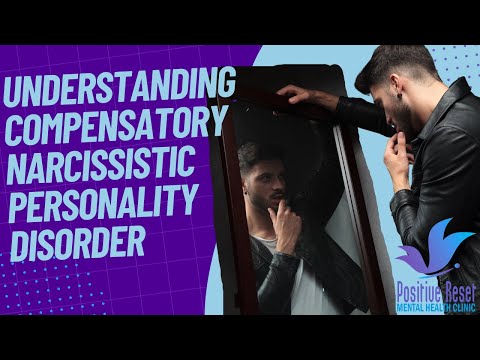
I mean, think about it—someone who’s all about their own reflection. What’s going on there? Seriously, it can mess with relationships and feelings in some serious ways.
So, grab your favorite drink and let’s unravel some of what makes this personality style tick.
Understanding DSM-5 Narcissistic Personality Disorder: Comprehensive PDF Guide
Narcissistic Personality Disorder (NPD) is one of those terms you hear tossed around a lot, but let’s break it down. The DSM-5, which stands for the Diagnostic and Statistical Manual of Mental Disorders, Fifth Edition, is like the encyclopedia for mental health professionals. It helps them classify and understand different mental disorders, including NPD.
People with NPD often have an inflated sense of self-importance. They might believe they’re superior to others or have a deep need for admiration. This isn’t just some casual confidence; it’s like they’ve built their entire self-image on being the best at everything—kind of exhausting, right?
So, what does that look like in real life? Well, folks with this disorder might come across as really charming at first. They can be super charismatic! But underneath all that sparkle lies a tendency to exploit relationships. They may take advantage of others or lack genuine empathy. You know those times when you feel someone just doesn’t get your feelings? Yeah, that’s often what happens here.
Here are some key traits outlined in the DSM-5 for NPD:
- Grandiosity: An exaggerated sense of self-importance.
- Narcissistic Fantasies: A preoccupation with unlimited success or power.
- Need for Admiration: Constantly seeking approval.
- Lack of Empathy: Difficulty recognizing and understanding others’ feelings.
- Exploitativeness: Taking advantage of others to achieve personal goals.
Now, let’s chat about impact. Having NPD can seriously mess with relationships. Imagine living with someone who only cares about their own needs—frustrating, huh? This can lead to breakdowns in friendships and family dynamics over time.
And it’s not just those around them who suffer; people with NPD often feel lonely despite the bravado. Their inability to connect deeply can make them feel isolated; it’s a crazy paradox. It reminds me of a friend I had once who shone brightly in social settings but always felt empty afterwards. She was charming but struggled to form meaningful connections because her focus was often on how others perceived her.
Treatment is complicated because many don’t see their behavior as problematic—it can be hard to change if you think you’re already perfect! Therapy could help individuals become more aware of how their actions affect others, but progress takes time.
So yeah, understanding Narcissistic Personality Disorder isn’t just about knowing what it is; it’s also about recognizing how it plays out in people’s lives and impacts everyone around them. If you find yourself dealing with someone who shows these traits or struggle yourself, getting informed is a solid step toward navigating these tricky waters better!
Understanding the 9 Criteria for Narcissistic Personality Disorder: A Comprehensive Guide
Narcissistic Personality Disorder (NPD) sounds intense, right? It’s a condition where someone often has an inflated sense of their own importance, alongside a deep need for admiration and a lack of empathy for others. But let’s break it down into the nine criteria that can help you understand it better.
The DSM-5 Criteria: The Diagnostic and Statistical Manual of Mental Disorders, Fifth Edition (DSMV-5) outlines these nine criteria. For someone to be diagnosed with NPD, they must meet five or more of the following:
- Grandiosity: This is when someone thinks they’re way more important than they really are. They might brag about their achievements or talents, expecting others to recognize them without any real proof.
- Need for Admiration: Ever met someone who just needs constant praise? That’s part of NPD. They thrive on attention and compliments.
- Lack of Empathy: Here’s where it gets tricky. Individuals with NPD often struggle to recognize or care about other people’s feelings. It’s like everyone else is in black and white while they’re in full color.
- Entitlement: They might expect special treatment or believe that others should cater to their needs without question. Think of that friend who always wants the best table at a restaurant just because.
- Exploitativeness: People with NPD may use others to get what they want, showing no remorse afterward. It’s not so much about teamwork; it’s about winning at all costs.
- Arrogance: Often seen as haughty behavior, it’s when someone displays condescending attitudes towards those they see as inferior.
- Sensitivity to Criticism: Ironically, for someone so grandiose, criticism can really sting! They often react with rage or contempt instead of taking a step back to reflect.
- Pretentiousness: Many will present themselves as more successful or cultured than they actually are—like wearing designer clothes but living paycheck to paycheck.
- Fantasies of Success and Power: They might have elaborate daydreams about unlimited success or power but rarely take steps towards meaningful achievements in real life.
Understanding these criteria can give you insight into how individuals with NPD might behave in interpersonal relationships. It’s kind of like being trapped in their world where everything revolves around them.
So think about this: Have you ever been in a conversation where it felt one-sided? Like you were just there so they could showcase their latest accomplishments? That could be an example of how those traits come into play!
And while people with narcissistic traits can seem charismatic and charming at first, the reality is that maintaining relationships can be really tough for them—and for the people who try to connect with them too.
It’s not always easy to navigate if you find yourself dealing with someone exhibiting these signs. You might feel drained after interactions because their neediness can overshadow your own feelings.
To wrap things up, NPD isn’t just about being self-centered; it involves a complex mix of behaviors and emotions that make everyday interactions tricky. Recognizing these traits can help you protect yourself emotionally if you happen to cross paths with someone showing these behaviors.
So yeah, keep an eye out! Understanding this stuff isn’t just fascinating—it’s also super useful when interpreting social dynamics around us!
Effective Treatment Options for Narcissistic Personality Disorder: A Comprehensive Guide
Narcissistic Personality Disorder (NPD) can be a tough nut to crack, both for those who have it and for the folks around them. It’s not just about having an inflated sense of self-importance; there’s a whole lot more happening under the surface. Let’s break down some effective treatment options that might help.
First things first, psychotherapy is usually the go-to approach. In this setting, a therapist helps individuals understand their thoughts and behaviors better. Think of it as a way to peel back the layers of their personality. Several types of therapy can be effective:
- Cognitive Behavioral Therapy (CBT): This focuses on changing negative thought patterns. For instance, if someone feels they must always be superior to others, CBT helps challenge that belief.
- Schema Therapy: This one digs deeper into long-standing patterns developed during childhood. The aim is to replace unhealthy schemas with healthier ones, like learning to feel worthy without needing constant admiration.
- Dialectical Behavior Therapy (DBT): While often associated with borderline personality disorder, DBT can also help those with NPD by teaching emotional regulation and interpersonal effectiveness.
Another important aspect is group therapy. It might sound intimidating at first—sharing personal feelings in front of others—but being in a group can really help increase empathy and awareness of one’s impact on others. Imagine being confronted gently by peers who see you from different angles; it could create some lightbulb moments.
Medication isn’t typically the first line of defense because there are no specific drugs approved for NPD itself. However, if someone has symptoms like anxiety or depression alongside their narcissism, doctors may prescribe medications to manage those conditions.
Let’s also not forget about building healthy relationships. Those with NPD often struggle to connect meaningfully with others due to their self-centered tendencies. Working on interpersonal skills in therapy can dramatically change how they relate to friends or partners.
Other areas include personal accountability and self-reflection. This means taking responsibility for actions and recognizing when they hurt others—no easy feat! It’s all about getting comfortable with vulnerability, which doesn’t come naturally to many people struggling with narcissism.
Anecdotally speaking, I once knew someone who started this journey through therapy after years of feeling isolated from friends and family because of their behavior patterns. Over time—and after a lot of hard work—they began forming deeper connections rather than shallow ones based on admiration alone.
The thing is, recovery from Narcissistic Personality Disorder isn’t really about “fixing” someone; it’s more about inviting them into understanding themselves better so they can begin relating healthily with others. So when discussing effective treatments for NPD, remember: it’s a slow process that takes commitment but definitely offers hope!
You’ve probably met someone who just seems to be all about themselves, right? Maybe it was a friend, a coworker, or even a family member. It can feel pretty exhausting being around someone with those kinds of vibes. That’s where Narcissistic Personality Disorder (NPD) comes into play. Now, I’m not saying that everyone who’s a bit self-absorbed has NPD – it’s way more complex than that.
So, let’s break it down. Narcissistic Personality Disorder is more than just being vain or self-centered; it’s a pattern of grandiosity and an overwhelming need for admiration. People with NPD often have trouble empathizing with others. They might seem charming at first, but over time, their lack of empathy can really sting. You could be pouring your heart out about something important to you, and they might switch the conversation back to their latest achievement—like you didn’t even speak.
And believe me, relationships can get rocky fast. It’s like walking on eggshells around someone who constantly needs praise while giving little in return. Imagine being friends with this person: one moment they’re the star of the show, and the next moment they’re upset because they’re no longer in the spotlight. It’s emotionally draining for those around them.
Now here’s another angle: sometimes people develop narcissistic traits as a defense mechanism from past traumas or deep-seated insecurities. Think about it—if someone feels unworthy or rejected at their core, creating this larger-than-life persona might be their way to cope with those feelings. It’s almost like building armor to protect fragile parts inside.
But living in this bubble isn’t easy either for them! Maintaining that facade takes so much energy and usually leaves them feeling empty inside when the applause dies down. There can be immense pressure to keep up appearances and avoid intimacy since vulnerability feels too risky.
I remember a friend of mine had a boyfriend who seemed perfect at first—super charming and funny. But slowly, she caught onto his behavior when he started dismissing her feelings and made everything about him. After months of feeling unheard, she decided enough was enough and took a step back from that relationship; it was tough but necessary for her mental health.
In the end, it’s vital for us to recognize these behaviors—not just in others but also within ourselves sometimes—and approach them with awareness and compassion when we can. We all have our struggles; understanding where someone is coming from might help you navigate those tricky waters better without losing yourself along the way!