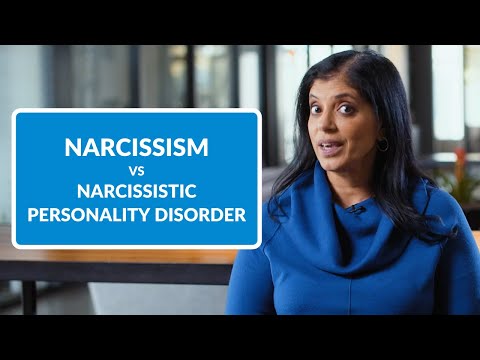
You know, narcissism is one of those words we toss around a lot. Someone brags? “Oh, they’re so narcissistic!” But hang on a sec—there’s actually a whole psychological framework behind it.
Narcissistic Personality Disorder, or NPD for short, isn’t just about being full of yourself. It’s way more complicated than that. Trust me, it’s like peeling an onion with some seriously tough layers.
Ever met someone who seemed to think they were the center of the universe? They might not just be a tad self-absorbed; they could be dealing with NPD. People really struggle with this, and it affects their relationships and how they see the world.
So let’s break this down together. Curious about how narcissism works? It might just change how you view those “me-first” folks in your life!
Understanding Narcissistic Personality Disorder: A Simple Guide for Beginners
Narcissistic Personality Disorder, or NPD for short, is one of those buzzworthy terms you might have heard tossed around. Let’s break it down in a way that makes sense, alright?
NPD is all about self-importance. People with this disorder often see themselves as superior to others. They’ve got a really inflated sense of their own achievements and talents. It’s like they walk around with blinders on, unable to recognize or appreciate anyone else’s strengths, you know?
What does narcissism look like? Well, it can show up in various ways. Here are some common traits:
- Excessive need for admiration: Individuals crave constant praise and validation.
- Lack of empathy: They often ignore or dismiss the feelings and needs of others.
- Envy: Narcissistic people might feel envious of others or believe that others are envious of them.
- Arrogant behavior: They tend to act haughty or condescending.
Imagine you’re at a party. There’s this person who only talks about their accomplishments—like their big promotion or how many followers they have on social media—while barely asking anyone else about themselves. That’s a classic narcissistic move right there!
Now let’s dig into how this affects relationships. People with NPD can be hard to connect with. Their lack of empathy means they can’t really bond the way most people do. You might find yourself feeling drained after talking to them because all the focus is on them.
Pushing boundaries is another biggie. Sometimes, people with NPD think rules don’t apply to them. Like, they might cut in line or interrupt conversations frequently without noticing—or caring—that they’re doing it.
But what causes someone to develop NPD? It’s not entirely clear-cut. Some research suggests it might come from a mix of genetic factors and environmental influences like childhood experiences. Maybe they were overly praised as kids without any lessons in humility—or perhaps faced neglect that warped their self-image.
This syndrome isn’t just a personality quirk; it’s serious stuff! Many individuals might not even realize they have it because it’s so intertwined with who they are—they genuinely see themselves differently than how the rest see them.
If you think someone close to you has these tendencies, what do you do? Well, setting boundaries becomes crucial! Keeping your distance when things get toxic helps protect your well-being.
To sum up, NPD is more than just being confident; it’s a complex disorder wrapped in insecurity and an overwhelming need for validation from others while often disregarding their feelings. So if someone feels off the charts dramatic about their life but lacks emotional connection, you’re likely looking at some narcissistic traits.
It may seem daunting when dealing with someone exhibiting these characteristics but recognizing what you’re facing can make all the difference in navigating those tricky waters!
Recognizing Narcissism: 12 Key Traits to Identify a Narcissist
Recognizing narcissism can feel a bit like trying to catch smoke with your bare hands. It’s tricky, but understanding some key traits can definitely help. So, let’s break it down.
Narcissism is often seen as a personality trait, but in more extreme cases, it can develop into what’s known as Narcissistic Personality Disorder (NPD). A person with NPD usually has an inflated sense of their own importance and a deep need for admiration. Here are some traits that might help you identify a narcissist:
- Exaggerated self-importance: They often brag about their achievements and expect people to recognize them as superior, even if the evidence isn’t there.
- Preoccupation with fantasy: They might be lost in daydreams of unlimited success or power, thinking they’re destined for greatness.
- Believing they are unique: Narcissists think they can only be understood by other special people—like really famous folks. Normal people? Not so much.
- Need for excessive admiration: They rely on compliments and validation from others to feel good about themselves.
- Sense of entitlement: You might notice they always expect special treatment or believe that rules don’t apply to them. For example, cutting in line at the grocery store because they just “can’t wait.”
- Lack of empathy: This one’s huge! Narcissists often struggle to recognize or care about other people’s feelings. If you share something emotional, they might turn the conversation back to themselves instead.
- Proudly showing off accomplishments: It’s not just sharing; it’s like flaunting. Whether it’s a promotion at work or a new car, they’ll make sure everyone knows!
- Tendency to exploit others: They might use people without guilt to achieve their own goals. It’s all about their needs; others are just tools.
- Arrogant behavior or attitudes: Sometimes it shows up as being condescending or belittling toward those seen as inferior.
- Difficulties maintaining healthy relationships: Their self-centeredness can really drive friends and partners away over time.
- Sensitivity to criticism: While they act super confident, even small critiques can spark rage or defensive reactions. Like when someone points out a mistake, and they blow up!
- Casting blame on others: When things go wrong, it’s never their fault! They’ll deflect and point fingers elsewhere instead of taking responsibility.
It’s interesting how these traits play out in real life. I once had a friend who exhibited many of these behaviors—always dominating conversations and making everything about them. When I tried sharing my struggles, they’d just shift the focus back onto their problems without missing a beat!
Feeling confused or stuck when dealing with someone like this? It makes sense! Sometimes it’s hard not to get caught up in their charm and confidence at first glance. So recognizing these signs early on can save you from future headaches.
It helps to remember that everyone exhibits some level of narcissism now and then—after all, we all want validation sometimes! But when these traits become pervasive and impact relationships negatively? That’s when you might want to tread carefully.
Knowing these key traits is empowering! You’re better equipped now to spot narcissistic patterns—whether in the workplace or someone close to you—and protect your well-being moving forward!
Understanding Narcissistic Personality Disorder: DSM-5 Insights and Comprehensive PDF Guide
Understanding Narcissistic Personality Disorder (NPD) can be quite the journey. It’s one of those topics that, while it may seem a bit clinical, is super relevant in real life. So, let’s break it down.
Narcissistic Personality Disorder is defined in the DSM-5, which stands for the Diagnostic and Statistical Manual of Mental Disorders. This book is kinda like the bible for mental health professionals when it comes to diagnosing mental health conditions. It’s important to know that NPD isn’t just someone being a little self-centered or vain; it goes deeper than that.
When looking at NPD, you’ll find some common traits. Here are a few key points:
- Grandiosity: People with NPD often think they’re more important than they really are. It’s like they’re looking in a funhouse mirror that only shows their best side.
- Lack of empathy: They struggle to recognize or care about other people’s feelings. Imagine talking to someone who’s really into themselves, and when you share your story, they change the subject right back to them.
- Need for admiration: A constant craving for attention and praise is typical. It’s almost like they’re on a stage all the time and need applause after every performance.
- Sensitivity to criticism: Even the smallest critique can feel like a personal attack—like throwing cold water on a lit flame.
Now, let’s talk about how this can play out in relationships or at work. Picture a coworker who takes credit for your ideas but can’t handle feedback if you point out an error. That frustration? Totally relatable! You start feeling undervalued while they bask in all the glory.
Sometimes people with NPD have other issues happening too, like anxiety or depression. And if you think those traits sound tough on others, imagine what living with those feelings must be like! Trying to keep up appearances while feeling empty inside is no walk in the park.
Now, when it comes to diagnosing NPD, it’s not just about ticking boxes on a checklist from the DSM-5; there’s so much more going on beneath the surface. Professionals look at patterns of behavior over time—like how long these traits have been around and how they’ve affected both the person with NPD and those around them.
Also worth mentioning is that treatment can be tricky because many individuals with this disorder don’t see anything wrong with their behavior. But therapy may help them understand their feelings and improve relationships over time—you know?
So yeah, understanding Narcissistic Personality Disorder isn’t just an academic exercise; it’s about recognizing how these behaviors affect real people—both those living with NPD and those interacting with them every day. With awareness comes better communication and healthier interactions all around!
Narcissistic Personality Disorder, or NPD for short, is one of those topics that can feel super confusing when you first dive into it. It’s not just about someone being vain or self-absorbed; there’s a lot more going on underneath. Imagine knowing someone who’s charming and confident but, at the same time, has this way of making everything revolve around them. Yeah, that’s a glimpse into the world of narcissism.
So here’s the thing: people with NPD often crave admiration and validation. They want to feel special and unique, like they’re somehow above everyone else. But it’s not just about big egos—there’s usually a deep-rooted insecurity lurking beneath all that bravado. Like that kid in school who acted tough but just wanted to be liked.
Let me share a quick story. There was this guy I worked with once who always had to be the center of attention at meetings. He’d dominate conversations and never really cared how other people felt unless it benefited him somehow. At first, I thought he was just really confident, but after observing him over time, it became clear there was something deeper—a need to be seen as important while struggling with his own self-worth. It’s kind of sad when you think about it.
NPD can also mess up relationships big time. Because these individuals often have trouble empathizing with others, conflicts can happen frequently. Friends and partners might feel used or discarded when their needs are overlooked in favor of the narcissist’s desires. It’s like trying to hold onto a beach ball underwater—eventually, it shoots out and causes chaos!
It’s interesting how there’s still some stigma around mental health issues like this one. People throw around «narcissistic» in everyday conversations without realizing the heavy psychological baggage attached to it. And while most folks might have some narcissistic traits (who doesn’t want a compliment now and then?), NPD is more intense and persistent.
Overall, understanding NPD helps us see the complexities behind certain behaviors instead of simply writing people off as arrogant or egotistical. It reminds us that everyone has their struggles—even if they don’t show them on the surface—and empathy can go a long way in navigating these tricky relationships! So next time you encounter someone with those traits, maybe take a second to consider what might be going on beneath all that bluster.