Have you ever met someone who just, like, always seemed to put themselves in the spotlight? You know the type. They can be charming but, oh man, there’s something off.
Narcissism and sociopathy aren’t just buzzwords; they’re real patterns of behavior that can mess things up, both for the person showing those traits and for everyone around them. It’s wild how these traits manifest in everyday life.
Imagine dealing with someone who never takes the blame or always thinks they’re better than everyone else. Makes you scratch your head sometimes, right?
In this chat about narcissistic disorders and sociopathy, we’ll dig into what makes these folks tick. Let’s break it down together!
Understanding the Psychology of Sociopathy: Key Insights and Implications
Sociopathy, often used interchangeably with antisocial personality disorder (ASPD), is a fascinating yet complex topic in psychology. This condition involves patterns of behavior that include a blatant disregard for the rights of others. People with sociopathy can sometimes come across as charming and engaging on the surface, but there’s a darker side that can lead to manipulative or harmful actions.
Key Characteristics
Understanding sociopathy involves recognizing its key characteristics:
- Lack of Empathy: One of the most defining traits is an inability to empathize with others. Imagine being at a party, celebrating good news with friends, and someone who seems indifferent to everyone’s joy—it’s that kind of emotional disconnect.
- Impulsivity: Sociopaths often act on impulse without considering the consequences. Think about someone who makes reckless decisions, like speeding through traffic without a second thought.
- Deceitfulness: Dishonesty is common; lying or manipulating people is just part of their game. Picture someone who lies about their qualifications just to get a job—they’re playing an elaborate con.
- Disregard for Social Norms: These individuals often flout rules and laws, thinking they’re above them. It’s like that friend who always cheats in games because they believe it doesn’t apply to them.
The Roots of Sociopathy
The development of sociopathic traits is influenced by various factors. Some research suggests that genetics might play a role, meaning certain people could be predisposed to these behaviors regardless of their environment.
However, environmental influences are significant too. Childhood experiences—like trauma or neglect—can lead to sociopathic tendencies later in life. If you grew up in an unstable home where manipulation was common, you might have picked up those behaviors as coping mechanisms.
The Connection with Narcissism
Now, let’s talk about how sociopathy can sometimes overlap with narcissistic disorders. While not every narcissist is sociopathic, many share similar traits:
- Grandiosity: Narcissists often feel superior and worthy of special treatment—just like some sociopaths.
- Lack of empathy: Both groups struggle to understand or care about other people’s feelings.
- Manipulative behaviors: They can use charm or deceit to get what they want from others.
This overlap can create confusing dynamics when dealing with individuals who exhibit both sets of traits.
The Implications
When it comes to relationships—whether personal or professional—understanding these traits matters. If you find yourself dealing with someone displaying sociopathic tendencies, knowing what you’re facing can help you protect your own emotional well-being.
Recognizing manipulative behavior early on can save you from becoming another pawn in their game! It’s not uncommon for relationships with these individuals to leave one feeling drained or confused, so being armed with knowledge makes all the difference.
Ultimately, while we tend to think of labels like «sociopath» as harsh or stigmatizing, understanding these psychological patterns sheds light on why some people behave the way they do. It helps us build more empathy while also setting boundaries that keep us safe from harm.
Understanding the psychology behind sociopathy isn’t just about recognizing bad behavior; it’s also about ensuring healthier interactions and fostering awareness in our lives and communities.
Assessing Trustworthiness: Can a Sociopath Be Trusted in Legal Contexts?
Assessing trustworthiness in legal contexts, especially where sociopathy is involved, is a tricky business. Sociopaths are often charming and manipulative, which can make it really hard to tell if they’re being honest or not. Just think of that person you met once who seemed super charismatic but later left you feeling uneasy. That’s kind of the vibe.
What’s a Sociopath?
So, a sociopath typically has a condition known as Antisocial Personality Disorder (ASPD). These folks often show patterns of disregard for the feelings and rights of others. They can be impulsive and lack remorse for their actions. This doesn’t mean they’re all bad people; it’s just that their brain wiring makes trust a complicated issue.
Now, in legal situations, the stakes are higher. For instance, when a sociopath is involved in court cases—like custody battles or fraud cases—their behavior becomes even more concerning. Let’s say someone with sociopathic traits is testifying. They might spin their story so convincingly that it throws everyone off track.
Why Is Trusting Them Risky?
Here are some key points to ponder:
It’s like playing poker with someone who knows the game inside out; you think you can read them—but they’re just too good at bluffing!
The Legal System’s Approach
When dealing with sociopaths in legal settings, professionals typically rely on expert testimony and psychological evaluations. The goal here is to uncover the truth while also understanding the potential for manipulation.
For example, psychologists may use specific tools like structured interviews or personality assessments to gauge someone’s behavior patterns. This helps paint a clearer picture but doesn’t eliminate risks entirely.
Think about it this way: trustworthiness isn’t just about one person’s word; it’s also influenced by context and evaluation methods used by professionals.
Your Takeaway
When assessing whether a sociopath can be trusted, especially in legal contexts, skepticism is healthy. Their charm may initially sway opinions, but digging deeper reveals layers of complexity that require careful navigation. It’s all about staying alert and relying on informed assessments rather than gut feelings alone.
So remember that friend we talked about? Sometimes figuring out if they’re genuinely trustworthy isn’t about how convincing they sound but what patterns emerge when you really look closely!
Exploring the Connection Between Trauma and Sociopathy: Insights and Implications
Trauma and sociopathy are two complex topics that often intertwine in surprising ways. When we talk about **sociopathy**, we’re really looking at a pattern of antisocial behaviors, where individuals disregard the feelings and rights of others. But what’s the connection to trauma, you ask? Let’s break it down.
Trauma, especially in early life, can shape how a person views the world and interacts with others. Imagine a child who experiences neglect or abuse. This kind of traumatic experience can create a sense of distrust, leading them to develop coping mechanisms that might appear callous or detached later in life. These kids might grow up feeling like they need to protect themselves emotionally, which could result in sociopathic traits.
Here are a few key connections:
Let’s take an example: imagine someone who grew up with an unstable home life filled with violence and betrayal. As they get older, they might struggle with trusting anyone because their early experiences taught them that vulnerability leads to pain. So, they might develop traits typical of sociopathy—manipulating people for their gain because trusting others feels too risky.
Now, it’s important to note that not everyone who experiences trauma will become sociopathic. People cope differently; some might seek help or develop resilience instead of harmful patterns. It’s all about individual differences!
The implications of this connection are significant. Understanding how trauma influences sociopathic behavior could help inform treatment strategies, especially if we think about addressing underlying trauma rather than just the symptoms of sociopathy itself.
In summary, while not everyone with a history of trauma will exhibit sociopathic traits, there’s definitely a link worth exploring. By recognizing the impact of traumatic experiences on emotional development and social interactions, we can better understand why some individuals may struggle more than others when it comes to forming meaningful connections and adhering to societal norms.
So basically, digging into this topic sheds light on human behavior’s complexity—and shows just how important early experiences are in shaping our lives!
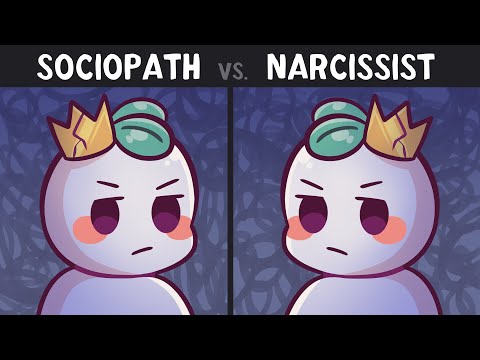
So, talking about narcissistic disorders and sociopathy can feel a bit heavy, right? But it’s super interesting too. Both of these conditions deal with how people relate to others, and they really challenge our understanding of empathy and self-awareness. It’s like peeling back layers of a complicated onion.
First off, let’s chat about narcissism. People with narcissistic personality disorder often have this inflated sense of self-importance. They crave admiration and tend to disregard other people’s feelings. Think about someone you know who always has to be the center of attention. Remember that time at a party when they reminded everyone how amazing they are? You kind of felt that itch of irritation, right? Well, that’s classic narcissism coming through.
Then you’ve got sociopathy—or antisocial personality disorder, if you want to get technical. This is a different ballgame. People with this disorder struggle to form genuine emotional connections with others and often act in ways that are manipulative or deceitful without feeling remorse. It’s like they’re playing life on easy mode while stepping on everyone else’s toes. I’ve heard stories where someone completely disregarded the impact of their actions on others’ lives, almost like it was a game for them.
Now, here’s where it gets really intriguing: the overlap between the two. Narcissists can show sociopathic traits because they often lack empathy—like when they manipulate friends or family for their gain without a second thought about how it affects them emotionally.
But here’s something important to remember: not every narcissist is a full-blown sociopath, and vice versa! Some people might lean more towards one side than another or exhibit both traits at different times in their lives.
There was this movie once where the main character displayed both behaviors perfectly; charming and magnetic one moment, then coldly calculating the next! It kept me thinking about people I know and how complex human relationships really are—sometimes it feels like walking through a minefield where one wrong step could blow everything up!
These disorders make us ponder deeper questions about human behavior: Can these individuals change? What does recovery look like? Are there hidden layers we don’t understand? The intricacies are overwhelming but also kindda fascinating.
Ultimately, learning about these topics gives us insight into different personalities we might encounter in life. Even if you never meet someone with these disorders personally (fingers crossed!), just understanding them can help you navigate your own relationships so much better! Like being equipped with a secret map in an intricate maze!