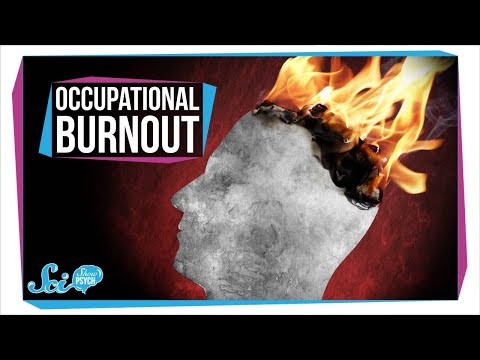
You know, being a nurse is no small feat. It’s like you’ve got superpowers, juggling life-and-death situations while keeping track of a million details all at once. But here’s the kicker: that constant pressure can really wear you down. Burnout? Oh yeah, it’s a real thing.
Imagine waking up every morning dreading the thought of another shift. You might feel emotionally drained or just plain exhausted. It’s tough to shake off, right? It creeps up on you and makes even the tiniest tasks feel Herculean.
But what if I told you there’s a way to refresh your mind and fight back against that burnout? Seriously! With some insights from psychology, we can explore how to rejuvenate your spirit and get back to being the amazing nurse you are. Let’s break it down together!
Exploring the Impact of Mindfulness Meditation on Stress Relief and Burnout Prevention Among Nurses
Well, let’s chat about mindfulness meditation and how it’s been popping up as a pretty cool tool for stress relief and burnout prevention, especially among nurses. You know how intense their work can be, right? Long hours, emotional demands, and the pressure to care for others can really pile on the stress.
What is Mindfulness Meditation?
Mindfulness meditation is basically about being present in the moment. It encourages you to focus on your breath, thoughts, and feelings without judgment. Imagine sitting quietly and just being aware of what’s going on around you and inside of you. That’s the essence of it!
Now, for nurses who are often juggling multiple tasks while dealing with difficult situations every single day, taking a few moments to breathe deeply and focus can feel like a breath of fresh air—literally! The challenge lies in fitting that quiet time into a hectic schedule.
The Impact on Stress Relief
Research has shown that practicing mindfulness can significantly lower stress levels. Here’s how:
- Reduces Anxiety: Mindfulness helps you notice anxious thoughts without letting them take over.
- Enhances Resilience: Regular practice builds mental strength. Nurses become better at handling tough situations.
- Improves Focus: You’re more present during shifts, which means better patient care (and less chaos).
Imagine one nurse named Sarah who started her day overwhelmed by a busy schedule. After just ten minutes of focusing only on her breath before her shift began, she noticed she was more calm. Instead of feeling frazzled by everything happening around her, she could tackle challenges one step at a time.
Burnout Prevention
Burnout happens when constant stress leads to exhaustion—mentally and physically. Nurses are at high risk due to their demanding roles. Here’s where mindfulness comes in handy again:
- Promotes Self-Care: It encourages nurses to take breaks for themselves instead of pushing through every moment.
- Cultivates Compassion: Mindfulness nurtures compassion—not only for patients but also for themselves.
- Paves the Way for Balance: Helps in recognizing when they need help or time off.
Think about Mike, another nurse who’s been feeling burnt out after months of grueling shifts. He started doing short mindfulness exercises during his lunch breaks. Over time, he felt himself reconnecting with why he chose this job in the first place—caring for people.
Feeling less stressed helps maintain their passion rather than burning out and leaving the profession altogether.
The Takeaway
Incorporating mindfulness meditation into daily life doesn’t require hours of practice each day; it can be done in quick bursts throughout shifts or even at home after work.
So if you’re a nurse feeling weighed down by responsibilities or emotions from your job, maybe give this mindfulness thing a shot! It might just provide that refresh button you desperately need amidst all the chaos—a little moment where you can reconnect with yourself before diving back into your important work.
Meta-Analysis of Effective Interventions for Reducing Nurse Burnout
Nurse burnout is a big deal. It’s not just about feeling tired after a long shift; it’s that deep, gnawing exhaustion that can affect their work and personal lives. So, what’s being done to tackle it? Well, researchers have dived into the world of meta-analysis to pinpoint what really works in reducing this type of burnout among nurses.
Meta-analysis is all about taking a bunch of studies on the same topic and crunching the numbers together. It helps find patterns or effective strategies that might be overlooked in single studies. For nurse burnout, this kind of analysis can lead to some solid conclusions on what interventions actually help.
Here are some interesting findings based on various analyses:
- Mindfulness programs: These are all the rage right now, and for good reason. Studies show that mindfulness training can reduce stress levels significantly. Nurses practicing mindfulness techniques felt less emotionally drained after shifts.
- Peer support groups: Sometimes talking to someone who gets it makes all the difference. Group sessions led by facilitators or even fellow nurses have been linked to lower burnout rates. Sharing experiences reduces feelings of isolation.
- Organizational changes: Simple tweaks in the workplace can really matter! Adjustments like better staffing ratios and more flexible schedules have been shown to make nurses feel more supported and less overwhelmed.
- Training for resilience: Teaching coping techniques has proven effective too. When nurses learn how to handle stress better, they report feeling more satisfied with their jobs.
- Restorative breaks: Encouraging short breaks during shifts can give staff a much-needed mental reset. Even just stepping away for a few minutes can lead to better focus and job satisfaction later on.
Let me share a quick story here: A nurse named Sarah had been feeling burnt out after months of hectic shifts in the ER. She joined a mindfulness group at her hospital where they practiced breathing exercises together before starting their shifts. Over time, she noticed that those five minutes made her feel calmer—and could handle stress like a champ!
But it’s not just about individual efforts; hospitals need to step up too! Leadership support is crucial when implementing these interventions because without buy-in from upper management, changes might not stick around long enough to make an impact.
In summary, while nurse burnout is definitely a serious issue, meta-analyses show there are effective ways to address it through various interventions like mindfulness programs and supportive workplace policies. By combining personal skills with organizational backing, things could get way better for those hardworking souls caring for others every day!
Mindfulness Intervention Strategies for Burnout Prevention and Resilience in Nursing Professionals
Burnout in nursing is like a thick fog that creeps in slowly, overshadowing passion and purpose. Most often, it leads to emotional exhaustion, decreased job satisfaction, and even physical ailments. You know, when you feel like you’re running on empty and just can’t care anymore? That’s burnout. But here’s where mindfulness steps in—like a warm cup of tea on a cold day!
Mindfulness basically means being present. It’s about taking a moment to stop, breathe, and really notice what’s happening around you instead of getting swept away by the chaos. For nurses who face stressful situations daily, practicing mindfulness can be a game-changer.
Mindfulness strategies can help reduce burnout and build resilience through several techniques:
- Breathe deeply: Sounds simple right? Just focus on your breath for a few minutes. Inhale deeply through your nose, hold for a second, and then exhale slowly through your mouth. This can create instant calm.
- Body scan: Lie down or sit comfortably. Close your eyes and bring attention to different parts of your body from head to toe. You’ll notice how tension creeps in without you even realizing it.
- Mindful walking: Next time you’re taking a break, try walking slowly while focusing on each step instead of worrying about what’s coming next. Feel the ground beneath your feet!
- Loving-kindness meditation: This one is pretty powerful! It’s about thinking kind thoughts towards yourself and others. Say things like “May I be happy” or “May I be healthy”. It’s surprisingly uplifting.
- Journaling: Writing down thoughts can also be mindful. Grab a notebook after shift, jot down what went well or what was tough that day without judgment.
Incorporating these practices might initially seem challenging with such hectic schedules but don’t worry! Start small—just five minutes here and there makes a difference over time.
It’s important to create an environment that supports mindfulness at work too. Team exercises can foster this spirit; maybe set aside some time each week for group breathing exercises or mindful discussions.
You see, embracing mindfulness isn’t just about fixing burnout—it’s about cultivating resilience so that when stress comes knocking (and it will), you have the tools to handle it gracefully.
So if you’ve ever felt overwhelmed or thought you’d love to find some peace amidst the chaos of nursing life—know that these strategies are not just fluff; they have real benefits backed by research. Seriously! Mindfulness can help nurses reconnect with their passion for their work and rejuvenate their sense of purpose.
Take that step towards embracing mindfulness; after all, nurturing yourself isn’t just beneficial—it’s essential to provide the best care possible to others too!
Nurse burnout is, like, this heavy thing that’s been pressing down on so many people in the healthcare field. I mean, think about those long hours and the emotional toll of caring for others day in and day out. It’s no wonder nurses often feel overwhelmed and drained. When you’re constantly pouring from an empty cup, it’s tough to keep your spirits up.
I remember chatting with a friend who works as a nurse. She told me about one particularly tough shift where she was juggling critical patients, family concerns, and her own worries. By the end of it, she felt like a zombie, just going through the motions. That night, she sat down with a cup of tea and realized something important: she hadn’t taken a moment for herself in weeks. That little light bulb moment got her thinking about what it means to really recharge—not just physically but mentally too.
So, if we look at this through a psychological lens, there are some pretty interesting approaches to boost mental wellness for nurses. First off is self-compassion. It’s about being kind to yourself during those rough patches instead of beating yourself up over not doing enough or feeling exhausted. This can be tough; society has this weird expectation that we should always be “on.” But when you give yourself permission to feel tired or frustrated? That’s when things can start to shift.
Another concept is mindfulness, which might sound all zen-like but really just means being present in the moment without judgment—like when my friend started noticing how stress affected her body during shifts. Once she began taking short breaks to breathe deeply or reflect on what she felt grateful for—even if it was just that one patient who smiled—it made a difference in how she handled stressful moments.
Then there’s community support. Nurses are part of these tight-knit teams where everyone understands the grind. Just talking with colleagues over lunch about shared experiences can lighten the burden—a simple “I get it” goes a long way in making someone feel seen.
But let’s not forget the importance of institutional support too! Hospitals and clinics need to recognize signs of burnout and actively work toward solutions—like flexible scheduling or providing mental health resources—which can transform a challenging workplace into one that nurtures its staff.
Overall, addressing nurse burnout isn’t just one person’s job; it’s all interconnected—individual well-being feeds into team dynamics and hospital culture as well. So yes, rejuvenating the mind matters! Whether through self-care or community support—and let’s not overlook how crucial it is for institutions to step up—there are ways to combat burnout and nurture passion again within these heroes of healthcare!