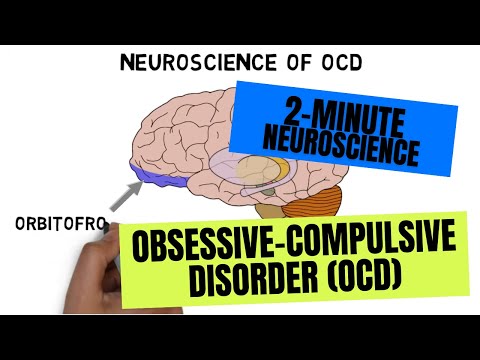
Hey! So, have you ever found yourself doing something over and over? Like, checking if you turned off the stove or counting steps when you walk? You’re not alone in that.
Obsessive-Compulsive Disorder (OCD) is a lot more common than people think. It’s not just about quirky habits; it can be pretty overwhelming.
Imagine feeling stuck in a loop where your mind is racing while your feet are glued to the ground. Yeah, that’s what some folks with OCD deal with every day.
Let’s explore how to spot those psychological symptoms together. It might just help make sense of things for someone you know—or even for yourself.
Effective OCD Treatment Options: A Comprehensive Guide to Managing Obsessive-Compulsive Disorder
Obsessive-Compulsive Disorder, or OCD for short, can feel like a heavy backpack you didn’t choose to carry. It’s all about those relentless thoughts and repetitive behaviors that just won’t quit. Understanding the treatment options available can really make a difference in managing these symptoms. Let’s break this down.
1. Cognitive Behavioral Therapy (CBT)
CBT is like a trusty toolkit for OCD. One specific type you might encounter is called Exposure and Response Prevention (ERP). Basically, it involves gradually exposing yourself to what triggers your obsessions while learning to resist the compulsive behavior that follows. Imagine you’re scared of germs; a therapist might guide you through touching something you perceive as dirty but then help you refrain from washing your hands afterward. It’s tough, but many find it pretty effective.
2. Medication
Certain medications can help manage OCD symptoms too. Selective Serotonin Reuptake Inhibitors (SSRIs) are often prescribed for this purpose. These meds work by increasing levels of serotonin in your brain—serotonin being a neurotransmitter that affects mood and anxiety levels. Common SSRIs include fluoxetine (Prozac) and sertraline (Zoloft). You might notice a reduction in obsessive thoughts or compulsive actions after giving them some time.
3. Support Groups
Joining a support group can be like finding a community that gets it—you know? When you’re surrounded by people who share similar experiences, it can lighten the load significantly. Plus, sharing stories and coping strategies helps reinforce the idea that you’re not alone in this.
4. Mindfulness Techniques
Mindfulness practices can help bring awareness to the present moment without judgment—this means when obsessive thoughts pop up, instead of fighting them or acting on them, you learn to observe them calmly. This could be through meditation or simple breathing exercises; anything that makes you feel grounded really helps.
5. Habit Reversal Training
This is about recognizing your compulsions and then replacing them with healthier behaviors over time—like using a stress ball instead of washing hands repeatedly when feeling anxious about germs.
Managing OCD isn’t always straightforward, but these strategies offer various paths to explore based on individual needs and circumstances. **Every person is different**, so what works for one might not work for another—and that’s perfectly okay! It’s super important to consult with professionals who can tailor treatments specifically to you because no one deserves to feel trapped in this cycle forever.
So if you’re grappling with OCD symptoms or know someone who is, remember there are ways out there that can help lighten the burden!
Understanding the Four Types of OCD: A Comprehensive Overview
Obsessive-Compulsive Disorder, or OCD, can be a real challenge for many people. It’s not just about being tidy or wanting things in a certain order. There are actually different flavors of OCD, which is super interesting but can also be confusing. So let’s break down the four main types of OCD so you can understand them better.
1. Contamination OCD: This type is all about fear—specifically, the fear of germs or dirt. You might find yourself washing your hands over and over again or avoiding places you think are dirty. Picture a friend who won’t touch doorknobs in public because they think they’re crawling with germs. That’s contamination OCD at work.
2. Checkings OCD: Here, the obsession revolves around making sure things are safe and secure. You may catch yourself repeatedly checking if the door is locked or if the stove is off. It feels like a nagging voice saying, “What if I forgot?” Even when you know you did check it—like five times—there’s this urge to go back just one more time.
3. Symmetry OCD: This type centers on needing things to be symmetrical or “just right.” Think of someone who arranges their desk supplies until everything is perfectly aligned and positioned evenly. The discomfort can feel overwhelming if something is out of place, pushing people to spend a long time arranging their environment until it feels «right.»
4. Intrusive Thoughts OCD: This one can get really tough because it involves unwanted thoughts that pop into your mind without warning—like having a sudden flash of doing something harmful to yourself or others that you would never act on in real life. It feels pretty distressing and often leads to guilt or shame even though these thoughts aren’t reflective of who you are at all.
Understanding these types helps put names to experiences that many folks go through but might not talk about openly—or even realize they’re experiencing them! Each type has its own ways it interacts with daily life and can cause distress, but knowing what you’re dealing with is the first step in managing it better.
So remember: OCD looks different for everyone, and it’s totally valid whether it’s about washing hands, checking locks, needing symmetry, or wrestling with unwanted thoughts!
Comprehensive Guide to Understanding OCD Tests: Types, Procedures, and Legal Implications
Obsessive-Compulsive Disorder (OCD) is a mental health condition that can really mess with how someone thinks and behaves. If you’re trying to understand OCD tests, you’re in for a journey through some of the ways professionals figure out what’s going on. Let’s break down the key bits about these tests, how they work, and stuff you might not have thought about.
Types of OCD Tests
There isn’t a one-size-fits-all test for OCD. Instead, various types help identify symptoms and gauge their severity. Here are some notable ones:
- Structured Interviews: These are like conversations where a trained professional asks specific questions about your thoughts and behaviors. They help create a detailed picture of what you’re experiencing.
- Self-Report Questionnaires: Tools like the Yale-Brown Obsessive Compulsive Scale (Y-BOCS) let people describe their own symptoms. You might rate how much certain thoughts or behaviors bother you.
- Behavioral Assessments: In this case, therapists might observe your behaviors in different situations. It’s about seeing how compulsions play out in daily life.
- Cognitive Behavioral Assessments: Sometimes, professionals use techniques that focus on thought patterns related to obsessions and compulsions.
Procedures for Conducting Tests
When you’re looking at OCD testing procedures, it usually involves several steps to ensure everything’s properly documented.
- Initial Consultation: This is usually the first step where you talk with a mental health provider about what’s going on in your life. They’ll listen to your concerns and symptoms.
- Informed Consent: Before any test happens, you’ll get explanations about what each test entails. It’s all about making sure you’re comfortable with what’s coming next.
- Administering the Tests: Depending on which type of assessment is chosen, this could mean filling out forms or having discussions with a clinician over several sessions.
- Results Interpretation: After testing, professionals will interpret the results and discuss them with you to see how they fit into your experiences.
Legal Implications
Now this part isn’t often discussed but can be super important too! The legal implications around OCD testing mainly revolve around privacy and consent.
- Your Rights: Any tests conducted should respect your right to confidentiality. The information shared during testing typically can’t be disclosed without your permission.
- Duty to Disclose: However, if there’s an immediate risk of harm either to yourself or others, practitioners might have to break confidentiality as mandated by law.
- Evidentiary Use: In some cases—like legal matters involving mental health—test results can be used as evidence in court settings. This adds another layer of complexity regarding how clear and accurate these assessments need to be.
Understanding OCD tests isn’t just about knowing what kinds exist or how they’re done; it’s also recognizing that every bit of info gathered plays into helping someone find relief from their struggles.
If you’ve ever felt those nagging thoughts that just wouldn’t go away or found yourself doing things repeatedly even though it felt overwhelming—realizing there’s support available through these tests can really change things up for you! While getting tested may seem daunting, it’s genuinely meant to provide clarity and lead towards understanding more about what you’re dealing with.
Obsessive Compulsive Disorder, or OCD, can be a bit of a puzzle. Imagine feeling like you need to wash your hands for the hundredth time in a row, even though you know they’re clean. You might think, “Why can’t I just stop?” That’s exactly how it feels for folks dealing with OCD. It’s not just about the rituals; it’s all about those overwhelming thoughts that won’t quit nagging at you.
So, let’s break it down. You might find yourself caught in these relentless patterns of thinking or behavior. Like constantly checking if you’ve locked the door or turned off the stove—again and again—sometimes even when you know it’s already done. It can drive you up the wall!
And there are those pesky obsessions too—the unwanted thoughts that pop into your head like an unwelcome guest at a party. You could worry excessively about harm coming to others or yourself, which just spirals into anxiety and fear. It’s frustrating because it feels so real, yet you know deep down that they’re just thoughts.
I remember a friend who would arrange her books perfectly on the shelf and then wouldn’t be able to focus on anything else until she did it over and over until everything was absolutely “just right.” I mean, how exhausting is that?
But here’s the kicker: OCD isn’t just about being neat or particular; it can get really heavy emotionally. The symptoms can sometimes leave you feeling isolated because let’s face it—not everyone gets what you’re going through. Those compulsions might feel like they’re controlling your life rather than enhancing it.
If you’ve spotted these kinds of symptoms in yourself or someone close to you—whether it’s obsessive thoughts or compulsive behaviors—it’s good to talk about them openly. This isn’t about placing blame but rather understanding what’s happening on an emotional level. Connecting with someone who understands can make a world of difference.
So yeah, recognizing OCD starts with seeing those patterns clearly—kind of shining a light on what might be hiding in the shadows of our minds. Awareness is key, right? After all, knowing isn’t half the battle; it’s more like stepping onto the battlefield ready to fight back against those thoughts and behaviors that try to take over our lives.