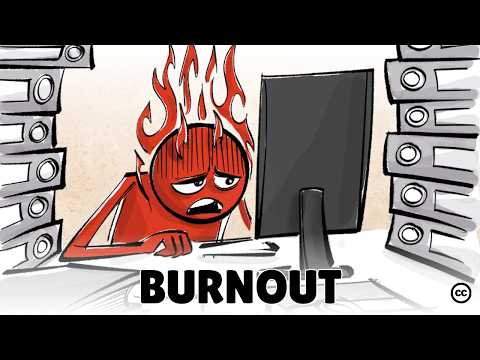
Hey, you ever feel like you’re running on empty? Like every day is just a loop of work, stress, and exhaustion? Yeah, that’s burnout talking. It can sneak up on you and mess with your vibe big time.
It’s like one minute, you’re on top of the world, and the next, you can’t even. You can’t focus. Motivation? Gone. And suddenly, what used to make you happy feels like another chore. It sucks!
Let’s chat about this thing called occupational burnout. We’ll explore what it really is and why it happens. Spoiler alert: you’re definitely not alone in this struggle! So grab a comfy seat, maybe a snack—let’s get into it!
Comprehensive Burnout Prevention Strategies: Downloadable PDF Guide
Burnout is a real beast, isn’t it? You know, that overwhelming feeling of exhaustion and cynicism you get when work just drains the life out of you. It sneaks up on you when you’re least expecting it, and before you know it, you’re just running on fumes. But don’t worry; there are ways to handle it and even prevent it from taking over your life.
One key thing to remember is that burnout often happens when there’s a mismatch between what you’re doing and what you need. So focusing on that alignment is crucial. Here are some strategies that can help you dodge burnout like a pro:
- Set Boundaries: This is super important. You need to know when to say “no.” If you’re always saying yes to every task or project, it’ll just pile up until you’re buried under the weight of all those responsibilities.
- Take Breaks: Seriously, breaks matter. Whether it’s a quick coffee run or a walk outside—give yourself those moments to recharge. Even short breaks can clear your head and boost productivity.
- Pace Yourself: It’s easy to get caught in the hustle culture where everything feels like a race. Slow down! Aim for steady progress instead of sprinting toward deadlines. Finding your rhythm can be a game changer.
- Practice Self-Care: This isn’t just about bubble baths (though those are nice too!). Think about activities that genuinely fill your tank—whether it’s reading, listening to music, or grabbing coffee with friends.
- Acknowledge Your Feelings: Sometimes we brush off how we feel because we’re busy or think we should be tough. But recognizing those feelings is the first step toward dealing with them effectively.
- Connect with Others: Isolation can creep in among all the work chaos. Reach out to colleagues or friends—even if it’s just for a chat over lunch! Social support is vital for maintaining mental well-being.
Now, let’s talk about being proactive rather than reactive. You might want to consider keeping a journal where you jot down how you’re feeling throughout the week. This practice can help spot trends before they snowball into something serious.
Another cool thing? Creating a personalized “wellness toolkit.” Put together resources like calming music playlists, motivational quotes, or even guided meditations that resonate with you personally.
And while it’s great if these ideas sound good in theory, they really only work if **you** put ‘em into action! So don’t think twice about downloading guides or resources on burnout prevention; they can offer structured advice and tips tailored for different situations.
Remember, burnout isn’t an inevitable part of any job—it’s something we can address together through awareness and intentional choices. You got this!
7 Effective Strategies to Prevent Burnout and Enhance Workplace Well-Being
Workplace burnout is a real struggle for many people. It’s like you’re running on empty and can’t seem to find the gas station. You feel drained, stressed, and detached from your job. But hey, there are actually strategies to help you avoid this pitfall and boost your well-being at work. Here’s how:
1. Set Clear Boundaries
It’s super important to establish boundaries between work and personal life. If you find yourself responding to emails at midnight or taking calls during dinner, you’re setting yourself up for burnout. You need to create a rule for yourself: after a certain hour, it’s all about you. Protect that time!
2. Prioritize Self-Care
Taking care of yourself sounds cliché, but it works! Find moments during your day for little treats—maybe a walk outside or some stretching. Think of it as recharging your batteries; even just 10 minutes can make a significant difference in how you feel.
3. Foster Connections
Having supportive colleagues can really cut down on feelings of isolation at work. Get to know them! Share lunch breaks or have casual coffee chats instead of just sticking to the work talk. Building friendships creates a warmer atmosphere that keeps stress levels in check.
4. Develop Time Management Skills
Poor time management often leads to feeling overwhelmed with tasks piling up like laundry that needs folding! Use tools like planners or apps to keep track of deadlines and priorities. Breaking tasks into smaller chunks makes them less daunting—seriously, nothing feels better than checking stuff off your list!
5. Seek Feedback Regularly
You might be surprised how much clarity feedback can bring! It helps you know if you’re on track or need adjustments before things get too crazy. Plus, it opens up communication with your boss or coworkers, keeping everyone on the same page.
6. Practice Mindfulness
Mindfulness isn’t just a buzzword; it can be super helpful in reducing stress! Taking a few minutes each day to focus on your breath or engaging fully in whatever task you’re doing can ground you and bring back some calmness when everything feels hectic.
7. Learn to Say No
This one’s tough but crucial! If your plate’s already overflowing, don’t be afraid to decline additional tasks or projects if they’re going to push you over the edge. Being assertive about what you can handle keeps your workload manageable—and protects your sanity!
Burnout doesn’t have to be inevitable if you’re aware of the signs and take proactive steps toward maintaining well-being at work. Remember that prioritizing mental health is not just beneficial—it’s essential! So take these strategies into account, and make room for more balance and positivity in your workplace life!
Effective Strategies to Prevent Workplace Burnout: A Legal Perspective
Workplace burnout is a real challenge that many people face, and it can seriously affect mental well-being. It’s often characterized by exhaustion, cynicism, and a feeling of reduced professional ability. So, what can be done to prevent this from happening? Let’s explore some effective strategies that can help keep burnout at bay.
1. Prioritize Work-Life Balance.
You know how it feels when work spills over into your personal time? It’s draining! Employers should encourage employees to set boundaries like not answering emails after hours or taking proper lunch breaks. When you step away from your desk, even for a short while, it helps recharge those mental batteries.
2. Create a Supportive Work Environment.
We all need a little support sometimes. Having open lines of communication with management or coworkers can lessen feelings of isolation. For example, regular check-ins can make you feel heard and valued. When people feel they’re in it together, burnout becomes less likely.
3. Provide Resources for Mental Health.
Well-being initiatives are super crucial. Companies offering **Employee Assistance Programs** or workshops focusing on stress management can significantly help employees cope with pressures at work. These resources give you tools to deal with stress before it spirals into something bigger.
4. Encourage Breaks and Time Off.
Taking breaks isn’t just nice; it’s necessary! Having scheduled breaks during the day allows you to reset your mind. And don’t forget about vacation days! Companies should promote taking time off as a way to rejuvenate instead of just accumulating days that never get used.
5. Foster Growth Opportunities.
Sometimes burnout comes from feeling stuck in a rut—like you’re going nowhere fast! Encouraging development through training programs or new projects gives employees something to look forward to and keeps things fresh and exciting.
6. Monitor Workloads Regularly.
Overloading employees is like throwing fuel on the fire of burnout! Regular assessments of workload can help identify who needs support or should maybe take on fewer tasks for a while so they don’t feel overwhelmed.
7. Promote Healthy Lifestyle Choices.
Encouraging activities that promote physical health—like yoga classes or gym memberships—can also protect against burnout. Physical activity not only boosts mood but also improves overall well-being and resilience against stressors.
Adopting these strategies might not eliminate workplace challenges entirely, but they certainly play an important role in preventing burnout from creeping in unnoticed. As we move forward in our careers, remember that taking care of mental health is just as crucial as any task on your to-do list!
Burnout, man, it’s like this slow creep into exhaustion and emotional emptiness. It’s not just feeling tired after a long day; it’s that drained sensation that settles in your bones, you know? When I think back on my own experience with burnout, I remember this one time at work. I was juggling deadlines, meetings, and emails like they were flaming torches. And then one day, I just snapped—couldn’t even focus on a single task. Days turned into weeks of feeling like a walking zombie.
That moment made me realize how crucial mental wellbeing is, especially when work starts to feel less like a job and more like an endless uphill battle. The thing is, we often brush off our feelings as just stress or overwork. But let’s be real, those feelings can snowball until they completely bury us. Addressing burnout isn’t just about taking a vacation or having a spa day; it’s way deeper than that.
To reclaim that sense of balance, it helps to take stock of what’s happening in your life—both at work and outside of it. Like, are you allowing yourself to disconnect? Are your boundaries solid? For me personally, recognizing where my energy was being drained opened my eyes to the changes I needed to make.
And hey, it’s okay to ask for help too! Whether it’s talking things out with friends or reaching out for professional support—having someone listen can create this amazing shift in perspective. Plus, connecting with others reminds you that you’re not alone in this struggle.
Finding ways to cultivate joy during the grind is another biggie. Maybe it’s discovering hobbies you forgot about or simply making time for walks outside; little things go such a long way! And remember those self-care practices everyone talks about? They’re not just buzzwords; they seriously make a difference if you stick with them.
Burnout can feel isolating, but addressing it involves embracing the messy and imperfect parts of life while prioritizing what makes you feel whole again. Reclaiming wellbeing requires effort and sometimes feels daunting—but taking those baby steps can lead you back towards balance and fulfillment at work and beyond.